

Tällä sivulla esitettyä taideteosta suojaa tekijänoikeuslaki, mikä tarkoittaa, ettemme voi laillisesti luoda tai myydä täsmälleen samanlaista jäljennöstä. Tämä suoja toteutetaan kansainvälisten sopimusten, kuten esimerkiksi Berne-konventio ja kansallisilla laeilla, mukaan lukien niillä määritellyt Yhdysvaltain tekijänoikeuslaki – Luku 17. Kaikki oikeudet pidätetään. Luvaton kopiointi tai jäljittely on kielletty.
Tämä menetelmä noudattaa täysin tekijänoikeussäännöksiä, sillä se ei sisällä suojatun taideteoksen kopioimista tai jäljentämistä. Sen sijaan kyseessä on luova uudelleentulkinta – uusi maalaus, joka ammentaa vaikutteita alkuperäisestä, mutta ei ole sen identtinen kopio.
Museolaatuisia giclée- tai kankaitaulun tulosteita nopealla tuotannolla ja joustavilla viimeistelyvaihtoehdoilla. ( Osta käsinmaalattu taideteos Siirry digitaaliseen kuvaan)





























Valitse valmiista mitoistamme sellaiset, jotka vastaavat teoksen alkuperäisiä mittasuhteita.

Syötä tarvitsemasi leveys ja korkeus, jotta tuloste sopii kehyksiisi tai seinällesi. Tulostetta voidaan vain leikata, sitä ei voida koskaan suurentaa alkuperäistä kuvaa suuremmaksi, joten eri muotoinen koko aiheuttaa osan kuvasta katoamisen. Lähetämme sinulle digitaalisen mallikuvan hyväksyttäväksi ennen kuin aloitamme tulostuksen. Tällä sivulla näkyvä kuva ei näytä lopullista rajausta — vain mallikuva näyttää sen.
Maailmanlaajuinen toimitus () 2 viikossa tavallisen 4–5 viikon sijaan. (15 marraskuu)
Capron House
Replikaatin koko
In the vast landscape of American modernism, few works capture the heavy, cinematic silence of rural life as poignantly as Edward Hopper’s 1931 watercolor, Capron House. This piece is far more than a mere depiction of a farmhouse; it is a profound meditation on solitude and the unspoken narratives that dwell within the stillness of a domestic scene. As the eye wanders across the composition, one is immediately struck by the sense of contemplative calm that defines Hopper’s signature style. A modest white clapboard house, crowned with a vibrant red roof, stands in quiet dialogue with a weathered barn, anchoring the viewer to a moment frozen in time. The presence of two figures on the porch, their postures suggesting a detached observation of their surroundings, adds a layer of psychological depth, inviting us to wonder if they are contemplating the day's labor or simply absorbing the profound tranquility of the countryside.
The scene is further enriched by the subtle inclusion of everyday artifacts—a parked truck and various vehicles scattered across the lawn. These elements serve as gentle reminders of the realities of rural existence during the early 20th century, grounding the ethereal mood in a tangible, lived reality. For the collector or interior designer, this painting offers a unique window into a bygone era, providing a focal point that is both intellectually stimulating and visually soothing. It is a work that does not demand attention through loud colors or chaotic movement, but rather earns it through a steady, rhythmic grace that settles deeply into the spirit of a room.
Hopper’s technical prowess in Capron House lies in his ability to use the delicate medium of watercolor to sculpt form and atmosphere. Eschewing dramatic or jarring palettes, he favors muted, earthy hues that heighten the emotional resonance of the landscape. His technique is characterized by precise washes and subtle gradations of tone, which allow light to become a character in its own right. The diffused light bathing the farmhouse does not merely illuminate the architecture; it softens the edges of reality, casting shadows that delineate the textures of wood and stone while emphasizing the isolation of the figures. This careful rendering of light and shadow creates a palpable sense of realism, making the atmosphere feel thick with memory and stillness.
For those seeking to incorporate such mastery into their personal spaces, the beauty of this piece lies in its textural richness. The way the light falls upon the white clapboard and the weathered surfaces of the barn provides a visual depth that is incredibly captivating. It is a masterclass in how subtle tonal shifts can convey immense psychological weight, making the painting an ideal choice for those who appreciate art that speaks through nuance rather than noise.
To understand Capron House, one must consider the era from which it emerged. Painted during the Great Depression, the work carries an inherent weight of the period's economic and social uncertainties. Yet, Hopper does not lean into tragedy; instead, he explores the architecture of solitude. He presents loneliness not as a catastrophe, but as a fundamental, almost sacred, state of being. This perspective allows the viewer to find beauty in the quietude, transforming a simple rural scene into a universal symbol of introspection and peace.
The emotional impact of the piece is enduring. It evokes a sense of nostalgia for a slower pace of life, making it an evocative addition to any curated collection or sophisticated interior design project. Whether placed in a sunlit study or a quiet corner of a living space, Capron House serves as a constant reminder of the beauty found in the moments between actions—the heavy, electric tension of the stillness that exists when the world stops to breathe.
Teoksessa "Capron House" Watercolor-tekniikka kohtaa Contemporary Realism-suuntauksen.
Edward Hopper:n "Capron House" on suositeltava Living Room-tilaan. Tämä suositus perustuu teoksen aiheeseen, väreihin ja tunnelmaan.
Capron House on Edward Hopper tekemä teos, joka on syntynyt Contemporary Realism-suuntauksen vaikutuksesta; taiteilija on kotoisin Yhdysvallat. Taiteilijan alkuperä yhdistää teoksen Contemporary Realism-tyyliin, jota Yhdysvallat-maasta kotoisin olevat taiteilijat edustavat.

Edward Hopper syntyi Upper Nyackissa, Yhdysvalloissa. Hänen varhaiset vuotensa kuluivat maailmaa vakaalla ja tarkkailevalla silmällä, tapa, joka alkoi jo lapsuuden piirustuksista, jotka oli huolellisesti päivätty ja allekirjoitettu. Vaikka hänen vanhempansa ehdottivat käytännöllistä polkua kaupallisen kuvituksen parissa, hänen keskittymisensä pysyi hienotaiteessa. Hän opiskeli New York School of Art -oppilaitoksessa William Merritt Chase ja Robert Henri -maalarin johdolla. Nämä vuodet opettivat hänelle teknisen taidon, jota tarvitaan maailman kuvaamiseen paljaana ja rehellisenä. Hän ei tavoitellut Pariisissa kohtaamiensa impressionistien hetkellisiä siveltimenvetoja. Sen sijaan hän kehitti tavan nähdä, joka suosi hetken pysähtyneisyyttä väkijoukon liikkeen sijaan.
Hänen työnsä keskittyy usein arkeen. Hän tarkasteli taloja, ruokaloita, toimistoja ja hotellihuoneita. Hän riisui pois turhat yksityiskohdat löytääkseen kohtauksen alla olevan emotionaalisen totuuden. Teoksessa House by the Railroad (1925) yksinkertainen sommitelma paljastaa mysteerin ja eristyneisyyden tunteen. Hän käytti valoa ja varjoa paitsi kuvaamaan huonetta, myös luomaan tunnelmaa. Seinään lankeavan varjon tarkka esittäminen tai valon tapa osua ikkunaan tulivat hänen tavakseen viestiä aiheidensa psykologisesta tilasta.
Tapa, jolla valo tulvii tilaan, on keskeinen hahmo hänen maalauksissaan. Teoksessa Nighthawks (1942) myöhäisillan ruokalan ankara loisteputkivalo leikkaa halki aution kaupunkikadun pimeyden. Sisällä olevat hahmot ovat fyysisesti lähellä toisiaan, mutta vaikuttavat olevan hukassa omissa ajatuksissaan, irrallaan toisistaan. Tämä nimettömyyden tunne ruuhkaisessa kaupungissa muuttui toistuvaksi teemaksi. Hän vangitsi yksin olemisen jännitteen julkisessa paikassa, tunteen, joka kaikuu teoksissa kuten Automat ja Office in a Small City. Häntä kiehtoi tapa, jolla keinotekoinen valo vuorovaikuttaa yön luonnollisen pimeyden kanssa.
Hänen vaimonsa, Josephine Nivison Hopper, oli jatkuva läsnäolija. Hän oli taiteilija kollega ja toimi usein mallina. Hänen läsnäolonsa tuntuu monien naishahmojen luonteenpiirteissä. He elivät yhdessä vaatimatonta elämää ja viettivät usein kesät Uudessa-Englannissa, mikä vaikutti hänen maalaamiinsa maisemiin. Hänen kuvauksensa amerikkalaisesta maisemasta, niin maaseudun kuin kaupunginkin, korostavat usein tiettyä karuutta tai tyhjyyttä. Olipa kyseessä tienvarsipiste teoksessa Gas (1940) tai hiljainen hotellihuone, aihe on aina fyysisen paikan ja yksityisen, sisäisen kokemuksen risteyskohta.
Hopperin vaikutus ulottuu elokuvan ja kirjallisuuden visuaaliseen kieleen. Hänen kykynsä luoda psykologista jännitettä sommittelun avulla on herättänyt huomiota monissa tarinoiden kerrontatapoja kuvien kautta tutkivissa teoksissa. Hänen maalauksensa ovat edelleen suurissa museoissa ympäri maailmaa, kuten Whitney Museum of American Art -museossa ja Bostonin Museum of Fine Arts -museossa. Hän ei tavoitellut suuria historiallisia narratiiveja. Hän löysi aiheensa arjen hiljaisista kulmista, muuttaen yksinkertaisen ikkunan tai ohitse kulkevan tuntemattoman ihmisen ihmisyyden tutkimusmatkaksi. Hänen työnsä on edelleen tutkimusmatka siihen hiljaisuuteen, joka ihmisten välillä vallitsee.

1931 - 1967 , Yhdysvallat

Step into the evocative world of American Realism with our curated guide to the 25 most iconic Edward Hopper paintings. Explore the profound beauty of light, shadow, and urban solitude through museum-quality art stories and decor inspiration. Discover all masterpieces on WahooArt.com.

Explore iconic works by Hopper and Bacon that capture profound solitude. Discover museum-quality masterpieces on WahooArt.com.

Explore the profound emotional landscapes of Mark Rothko. An expert editorial on Color Field painting, decoding the spiritual depth, technique, and enduring legacy of these abstract masterpieces for the discerning global collector.
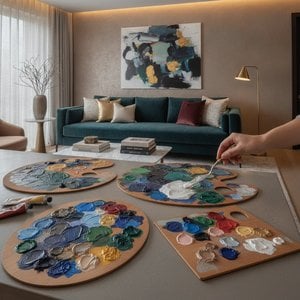
Elevate your interiors with expert guidance on color theory and art selection. Discover how to achieve chromatic equilibrium using hand-painted oil reproductions and bespoke commissions from WahooArt.com, the global authority in museum-quality fine art for luxury spaces.

Discover the ethereal beauty of watercolor through an art-historical lens. Master the delicate balance of light, fluidity, and pigment to capture the luminous essence of nature, inspired by the legendary techniques of the Old Masters and Impressionist greats.
 Esikatselu
 Jaa teos
 Jaa
Jaa
 Tiedot
 Opas
Opas

 Lataa kuva
 Samanlaisia kohteita
 Röntgenkuvaus
 Diaesitys
 Kysymykset ja vastaukset
 Tilastot

 Lue lisää









 Lasivaihtoehto on saatavilla vain alle 110 cm kokoisille teoksille


