


Tällä sivulla esitettyä taideteosta suojaa tekijänoikeuslaki, mikä tarkoittaa, ettemme voi laillisesti luoda tai myydä täsmälleen samanlaista jäljennöstä. Tämä suoja toteutetaan kansainvälisten sopimusten, kuten esimerkiksi Berne-konventio ja kansallisilla laeilla, mukaan lukien niillä määritellyt Yhdysvaltain tekijänoikeuslaki – Luku 17. Kaikki oikeudet pidätetään. Luvaton kopiointi tai jäljittely on kielletty.
Tämä menetelmä noudattaa täysin tekijänoikeussäännöksiä, sillä se ei sisällä suojatun taideteoksen kopioimista tai jäljentämistä. Sen sijaan kyseessä on luova uudelleentulkinta – uusi maalaus, joka ammentaa vaikutteita alkuperäisestä, mutta ei ole sen identtinen kopio.
Museolaatuisia giclée- tai kankaitaulun tulosteita nopealla tuotannolla ja joustavilla viimeistelyvaihtoehdoilla. ( Osta käsinmaalattu taideteos Siirry digitaaliseen kuvaan)





























Valitse valmiista mitoistamme sellaiset, jotka vastaavat teoksen alkuperäisiä mittasuhteita.

Syötä tarvitsemasi leveys ja korkeus, jotta tuloste sopii kehyksiisi tai seinällesi. Tulostetta voidaan vain leikata, sitä ei voida koskaan suurentaa alkuperäistä kuvaa suuremmaksi, joten eri muotoinen koko aiheuttaa osan kuvasta katoamisen. Lähetämme sinulle digitaalisen mallikuvan hyväksyttäväksi ennen kuin aloitamme tulostuksen. Tällä sivulla näkyvä kuva ei näytä lopullista rajausta — vain mallikuva näyttää sen.
Maailmanlaajuinen toimitus () 2 viikossa tavallisen 4–5 viikon sijaan. (14 marraskuu)
Diana
Replikaatin koko
David Bomberg’s Diana, painted in 1943, immediately draws the viewer into a moment of profound introspection. The central figure, clad in a striking red jacket, commands attention against a warm, almost incandescent orange background. Her posture—hand delicately placed near her face, suggesting contemplation or perhaps a momentary veil over deep thought—lends an air of enigmatic grace to the composition. Bomberg, a key member of the vibrant 'Whitechapel Boys,' captures not just a likeness, but a palpable state of being. The interplay between the vivid red garment and the surrounding autumnal glow creates an immediate visual tension, anchoring the viewer's gaze to the woman’s downward, thoughtful expression.
To appreciate Diana is to understand the trajectory of early 20th-century British modernism. While Bomberg’s training exposed him to the structured lessons of Cézanne and the dynamism of avant-garde movements, this piece retains a raw, emotional immediacy characteristic of his later work. His technique here suggests a masterful handling of paint, where form is suggested through bold planes of color rather than minute detail. The presence of other figures—one subtly placed in the upper left and another near the bottom right—suggests that the central subject exists within a larger social or psychological tableau. These secondary elements do not distract; rather, they frame the primary emotion, giving the scene depth beyond a simple portrait.
The title, Diana, evokes classical associations with the huntress and the goddess of the moon—figures often linked to mystery, independence, and feminine power. Yet, Bomberg grounds this mythological echo in a very human moment. The red jacket can be interpreted as passion or vitality against the backdrop of the fading orange light, perhaps symbolizing memory or the passage of time itself. The woman’s gesture is universally understood: it speaks of secrets held close, of beauty observed from within. For the collector or designer, this painting offers more than mere decoration; it offers a conversation piece—a meditation on introspection that resonates deeply in contemporary life.
Reproducing the power of Diana allows one to integrate a piece steeped in artistic history and emotional weight into any interior space. The rich palette, dominated by the fiery contrast of red and orange, makes it an exceptional focal point for rooms seeking depth and character. Whether displayed above a console table or as a centerpiece in a gallery wall, this reproduction captures Bomberg’s unique ability to infuse everyday subjects with monumental feeling. It is a piece that demands a pause, inviting quiet contemplation amidst the bustle of modern living.
"Diana" välittää Reflective tunnetilan Modernism-tyylisuunnan sisällä.
Alkuperäinen David Bomberg:n "Diana" on osa Arts Council Collection, Lontoo, Yhdistynyt kuningaskunta-museon kokoelmaa. Reproduktio mahdollistaa teoksen näyttämisen kotona.
Alkuperäinen David Bomberg:n "Diana" on Oil On Canvas-teos, jonka mitat ovat 41 x 36 cm. Tekniikka ja koko kuvaavat alkuperäistä teosta.

Puolalais-juutalaisten maahanmuuttajavanhempiensa, Abraham ja Rebecca Bombergin, poika aloitti opintonsa City and Guilds Technical Art Schoolissa ennen kuin hän erikoistui litografiksi Birminghamissa.
Hän opiskeli Walter Sickertin alaisuudessa Westminster School of Artissa (1908–1910), ja häneen vaikutti voimakkaasti Sickertin keskittyminen muotoon ja urbaaniin elämään. Vuoden 1910 Roger Fryn ”Manet ja postimpressionistit” -näyttely toi hänelle merkittävän kosketuksen Paul Cézannen maailmaan. Myöhemmin hän opiskeli Slade School of Artissa (1911), missä hän voitti Tonks-palkinnon luomallaan piirroksellaan opiskelutoveristaan Isaac Rosenbergista.
Kokemukset sotilaana ensimmäisen maailmansodan aikana vaikuttivat syvästi hänen taiteelliseen näkemykseensä ja johtivat siirtymiseen pois abstraktiosta.
1920-luku toi mukanaan Bombergin siirtymisen figuuriivisempaan tyyliin, keskittyen muotokuviin ja suoraan luonnosta ammennettuihin maisemiin. Hän kehitti yhä ekspressionistisempaa tekniikkaa, jota leimasivat teksturoitu impasto ja emotionaalinen intensiteetti.
Laajat matkat Lähi-itään (erityisesti Palestiinaan) ja Eurooppaan vaikuttivat merkittävästi hänen myöhempään tuotantoonsa. Hänen kuvauksensa Jerusalemista ovat erityisen huomionarvoisia.

1890 - 1957 , Yhdistynyt kuningaskunta

Decode the profound symbolism of hands in masterworks from Van Gogh to Hindu mudras. Explore the silent language of art with our expert guide.

Discover the profound beauty of Contemporary Impressionism. Explore how masters capture light and emotion through textured brushwork and vibrant color, perfect for discerning collectors seeking timeless elegance and museum-quality artistry for luxury interiors.
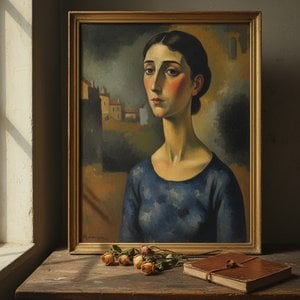
Delve into the haunting beauty of Amedeo Modigliani's portraits. Explore the intersection of Expressionism and Modernism through an expert analysis of his iconic elongated forms, melancholic gazes, and profound influence on art history.

Explore the profound symbolism of red hair through iconic masterpieces. Discover the fiery allure of art history with our expert guide.
 Esikatselu
 Jaa teos
 Jaa
Jaa
 Tiedot
 Opas
Opas

 Lataa kuva
 Samanlaisia kohteita
 Röntgenkuvaus
 Diaesitys
 Kysymykset ja vastaukset
 Tilastot


 Lue lisää









 Lasivaihtoehto on saatavilla vain alle 110 cm kokoisille teoksille


