

Museolaatuisia giclée- tai kankaitaulun tulosteita nopealla tuotannolla ja joustavilla viimeistelyvaihtoehdoilla. ( Osta käsinmaalattu taideteos Siirry digitaaliseen kuvaan)





























Valitse valmiista mitoistamme sellaiset, jotka vastaavat teoksen alkuperäisiä mittasuhteita.

Syötä tarvitsemasi leveys ja korkeus, jotta tuloste sopii kehyksiisi tai seinällesi. Tulostetta voidaan vain leikata, sitä ei voida koskaan suurentaa alkuperäistä kuvaa suuremmaksi, joten eri muotoinen koko aiheuttaa osan kuvasta katoamisen. Lähetämme sinulle digitaalisen mallikuvan hyväksyttäväksi ennen kuin aloitamme tulostuksen. Tällä sivulla näkyvä kuva ei näytä lopullista rajausta — vain mallikuva näyttää sen.
Maailmanlaajuinen toimitus () 2 viikossa tavallisen 4–5 viikon sijaan. (8 marraskuu)
Nemo Loquebatur
Replikaatin koko
Imagine an evening bathed in the soft, flickering glow of crystal chandeliers, where the air hums with witty conversation and the clinking of fine glassware. This exquisite pastel scene, Nemo Loquebatur, transports us directly into the sophisticated salons of 18th-century Amsterdam. It captures a moment of convivial gathering among distinguished gentlemen, an atmosphere thick with intellectual exchange and burgeoning revelry. The composition itself is a masterclass in genre painting, depicting not just figures, but the very texture of high society life—a world where wit was as carefully curated as one's waistcoat.
What makes this piece so captivating is its remarkable medium. Cornelis Troost eschewed the permanence of oil paint for the delicate, ethereal touch of gouache and pastel. This choice of materials speaks volumes about the period's artistic tastes; it allowed Troost to achieve a luminosity and softness that mimic the fleeting quality of memory itself. The opaque watercolour mixed with soft chalk lends the skin tones a remarkable delicacy while allowing the rich textures of the gentlemen’s elaborate clothing—the silks, the lace, the polished wood of the mantlepiece—to remain vividly present. To own a reproduction of this work is to possess an echo of that eighteenth-century luminosity.
This painting is part of a larger narrative cycle, suggesting a structured, unfolding story across several panels. The title itself, Nemo Loquebatur, hints at the playful structure underlying the apparent spontaneity. While the initial moments depicted might suggest polite discourse—men holding books, engaging in measured conversation near an elegant fireplace mantle—the overall trajectory of such scenes often suggests a delightful descent into spirited abandon fueled by good company and perhaps too much wine. Troost, deeply embedded in the vibrant cultural life of Amsterdam during this time, possessed an unparalleled ability to observe human nature at its most charmingly flawed.
For the contemporary admirer, Nemo Loquebatur offers more than mere decoration; it offers an emotional anchor. It speaks to the universal yearning for connection—for that perfect gathering where laughter rings freely and conversation flows without end. Whether placed in a formal drawing-room or a richly paneled study, this artwork introduces an immediate sense of cultured warmth and sophisticated history. It invites the viewer not just to look, but to participate; one can almost hear the murmur of voices and smell the faint scent of expensive tobacco mingling with wine.
Cornelis Troost oli 44 vuotias luodessaan teoksen "Nemo Loquebatur" vuonna 1740. Ikä on laskettu taiteilijan syntymävuodesta 1696.
Teoksen "Nemo Loquebatur" värit muodostavat Monochrome-väripaletin. Tämä luokitus kuvaa hallitsevia väriperheitä.
Cornelis Troost:n "Nemo Loquebatur" on luotu vuonna 1740.

Cornelis Troost, nimi, joka on erottamattomasti kietoutunut 1700-luvun Amsterdamin elävään kudelmaan, oli paljon enemmän kuin vain taiteilija; hän oli aikansa tarkka havainnoitsija ja mestarillinen kronikoija. Syntynyt Hollannin tasavallan sydämessä Amsterdamissa 8. lokakuuta 1696, Troostin matka pyrkimyksestä näyttelijäksi kuuluisaksi maalaajaksi paljastaa kiehtovan yhdistelmän taiteellisia intohimoja ja henkilöryhmän muodonmuutosta. Alun perin lavalla esiintyjänä koulutettuna hän löysi todellisen kutsumuksensa ei aplodeista ja draamasta, vaan maalaamisen huolellisista yksityiskohdista ja hienovaraisista vivahteista. Hänen elämänkaarensa on merkitty tietoisella muutoksella – harkitulla luopumisella valokeilasta siveltimenvetojen hiljaiseen pohdiskeluun, mikä lopulta teki hänestä yhden hollantilaisen rokokoo-genremaalauksen merkittävimmistä hahmoista.
Troostin taiteellinen koulutus alkoi arvostetun muotokuvaajan Arnold Boonen johdolla, joka tunnisti oppilaansa synnynnäisen lahjakkuuden. Tämä oppipoikakausi tarjosi ratkaisevan perustan, mutta juuri Troostin varhaiset piirrokset osoittivat hänen omaleimaisen tyylinsä – erityisesti vuoden 1t08 teos, joka esittää Savojen prinssi Eugenusta ja tunnettua kirjanmyyjää sekä vakojaa, Louis Renardia, osallistumassa salaisiin toimintoihin ylellisessä amsterdamilaisessa bordellissa. Tämä älykkäydestä ja juonittelusta pursuava teos antoi viitteitä teemoista, joita hän myöhemmin tutki niin vangitsevalla taidolla: sosiaalisen elämän monimutkaisuudesta, mielihyvän houkutuksesta ja kunnioitettavuuden pinnan alla virtaavista piilevistä virtauksista.
Uran kypsyessä Troostista tuli mestari tavoittamaan herkän tasapainon kepeyyden ja hienostuneisuuden välillä. Hänen työhönsä vaikuttivat kiistatta hänen aikansa vallitsevat taidesuuntaukset, mukaan lukien William Hogarthin dramaattiset sommitelmat, jotka tunnetaan satiirisista kuvauksistaan Lontoon yhteiskunnasta, sekä ranskalaisten mestareiden, kuten Watteau’n, Boucher’n ja Lancret’n, tyylikäs sulavuus. Tämä hollantilaisen realismin ja ranskalaisen rokokoo-eleganssin synteesi antoi hänelle mahdollisuuden luoda teoksia, jotka olivat samanaikaisesti syvällä paikallisessa todellisuudessa ja äärimmäisen hienostuneita.
Hänen tuotantonsa oli huomattavan monipuolista, ulottuen intiimeistä muotokuvista monumentaalisiin ryhmäsommitelmiin. Hänen pysyvimpiä panoksiaan taidemaailmaan ovat muun muassa:
Cornelis Troostin merkitys piilee hänen kykyssään toimia visuaalisena historioitsijana murrosaikakaudella. Vaikka suuren hollantilaisen kultakauden mestareiden aika oli jo ohittanut, Troost puhalsi uuden elämän hollantilaiseen perinteeseen täyttämällä sen rokokoo-liikkeen kepeydellä ja koristeellisella viehätysvoimalla. Hänen maalauksensa eivät ainoastaan esitä kasvoja; ne vangitsevat koko aikakauden hengen – silkin kahinan, kynttilänvalon välkkeen ja Amsterdamin yläluokan hienovaraiset sosiaaliset hierarkiat.
Älykkäiden muotokuvien ja vangitsevien genrekohtausten kautta Troost jätti jälkeensä perinnön, joka jatkaa katsojien lumoamista. Hän säilyy keskeisenä hahmona, joka rakensi sillan 1600-luvun raskaiden ja dramaattisten perinteiden sekä 1700-luvun ilmavan ja sulavan estetiikan välille, varmistaen, että hänen rakastamansa Amsterdamin sosiaaliset vivahteet säilyisivät pigmentissä sukupolvien ajan.

1696 - 1750 , Alankomaat

Explore the opulent world of Rococo art! Discover its origins, key artists like Watteau & Boucher, and lasting influence on design. Expert insights for collectors & enthusiasts.

Uppoudu rokokoon maailmaan! Tutustu 10 mestariteokseen – Fragonard, Watteau ja muut. Taidetta, eleganssia & inspiraatiota kotiisi. Laadukkaat taideprintit WahooArt.com:ssa. Explore the full collection online!
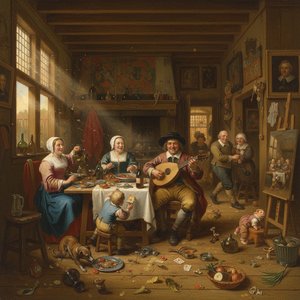
Explore the life & art of Jan Steen, a leading Dutch Golden Age painter renowned for his humorous genre scenes & insightful social commentary. Discover his techniques, legacy, and collecting tips.
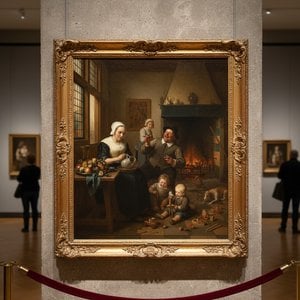
Explore the captivating world of Dutch Golden Age genre painting! Discover realistic depictions of daily life, masterful artists like Ostade & Metsu, and hidden symbolism. Learn about this influential art movement with WahooArt.

Explore the captivating world of Cornelis Springer (1817-1891), a Dutch master renowned for his detailed cityscapes and atmospheric paintings. Discover his life, style & available artworks at WahooArt.
 Esikatselu
 Jaa teos
 Jaa
Jaa
 Tiedot
 Opas
Opas

 Lataa kuva
 Samanlaisia kohteita
 Röntgenkuvaus
 Diaesitys
 Kysymykset ja vastaukset
 Tilastot


 Lue lisää









 Lasivaihtoehto on saatavilla vain alle 110 cm kokoisille teoksille


