


x


 Oil On CanvasWallArtImpressionist Movement
 1869
1869 43.0 x 72.0 cm
 National Gallery of Art
Käsinmaalattu öljyväri kankaalle haluamassasi koossa ja kehyksissä, taiteilijoidemme valmistamana tilauksesta.





























Valitse valmiista mitoistamme sellaiset, jotka vastaavat teoksen alkuperäisiä mittasuhteita.

Voit syöttää omat mitat sopimaan tiettyyn kehykseen tai tilaan. Jos valitsemasi koko ei vastaa alkuperäisen kuvan mittasuhteita, rajaamme taideteoksen tai jatkamme maalausta käsin maalatuilla elementeillä. Digitaalinen esikatselu lähetetään hyväksyttäväksi ennen tuotannon aloittamista.
Huomioithan, että näytöllä oleva esikatselu ei vastaa todellista rajausta tai jatkamista. Vain digitaalinen mallikuva näyttää lopullisen sommittelun tarkasti.
Vaikka mittatilaustyöt ovat mahdollisia, suosittelemme valitsemaan mitan ennalta määritetystä listasta alkuperäisten mittasuhteiden säilyttämiseksi.
Maailmanlaajuinen toimitus () 3–4 viikossa tavallisen 5 viikon sijaan. (1 heinäkuu). Laadusta ei tingitä.


The Harbor at Lorient
Replikaatin koko
Berthe Morisot’s “The Harbor at Lorient,” painted in 1869, isn't merely a depiction of a coastal scene; it’s an intimate glimpse into the heart of the burgeoning Impressionist movement. This captivating work, measuring just 43 x 72 cm, transcends its modest size to offer a profound meditation on light, atmosphere, and the quiet beauty of everyday life – themes that would become hallmarks of Morisot's distinctive artistic voice. The painting resides within the esteemed collection of the National Gallery of Art in Washington D.C., a testament to its enduring significance and artistic merit.
Morisot’s approach diverges subtly from her male contemporaries, particularly Monet and Renoir. While they often focused on capturing fleeting moments of vibrant outdoor activity, Morisot favored a more restrained palette and a delicate handling of paint. Her brushstrokes are remarkably light and airy, almost ephemeral, creating an illusion of shimmering water and diffused sunlight. This technique—a hallmark of Impressionism—allows the eye to wander across the canvas, absorbing the subtle nuances of color and texture. The composition itself is carefully considered; Morisot masterfully employs a shallow perspective, drawing the viewer into the scene as if standing on the harbor’s edge alongside the woman contemplating the boats.
The painting unfolds with a remarkable sense of tranquility. A cluster of small fishing boats – their details softened by the atmospheric haze – drifts across the water, each reflecting the shifting light in unique ways. The arrangement isn't one of dramatic action or bold contrasts; instead, it’s a study in quiet observation. A central figure, a woman standing at the water’s edge, is the focal point, yet she remains largely undefined. Her posture suggests contemplation and a gentle connection to the scene—a silent observer absorbing the beauty around her. This deliberate ambiguity invites viewers to project their own emotions and experiences onto the image, fostering a deeply personal engagement with the artwork.
The inclusion of this woman is crucial to understanding Morisot’s artistic vision. She wasn't simply painting a landscape; she was exploring the relationship between humanity and nature—a recurring theme in her oeuvre. Her presence adds a layer of intimacy, suggesting a moment of private reflection amidst the bustle of harbor life. It’s a subtle yet powerful reminder that even within grand landscapes, there is always room for quiet contemplation and personal connection.
“The Harbor at Lorient” exemplifies the core tenets of Impressionism. Morisot's use of color is particularly noteworthy—she eschews traditional blending techniques in favor of juxtaposing pure hues to create a vibrant, luminous effect. The light itself isn’t rendered as a fixed entity but rather as a constantly shifting phenomenon, captured through subtle variations in tone and hue. Notice how the reflections on the water shimmer with an almost iridescent quality, demonstrating Morisot's keen eye for capturing the ephemeral effects of sunlight.
The painting’s palette is dominated by soft blues, greens, and greys—colors that evoke a sense of serenity and distance. However, flashes of brighter hues—a touch of red in one boat’s sail, a hint of yellow in the sky—add visual interest and prevent the scene from becoming overly muted. These carefully placed accents serve to heighten the overall impression of light and atmosphere, reinforcing the painting's dreamlike quality.
Berthe Morisot’s “The Harbor at Lorient” stands as a poignant example of her unique artistic perspective—one that privileged intimacy, observation, and the subtle beauty of everyday life. Her work, alongside that of other female Impressionists like Mary Cassatt, challenged conventional notions of what constituted ‘important’ subject matter in art. Today, this painting continues to resonate with viewers who appreciate its delicate beauty, quiet contemplation, and masterful execution. It's a piece that invites us to slow down, observe the world around us, and find moments of serenity amidst the complexities of modern life—a fitting legacy for an artist who captured the essence of Impressionism with remarkable grace and sensitivity.


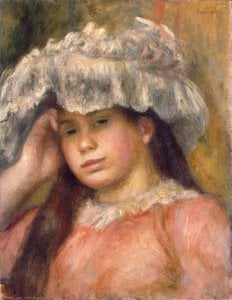


1841 - 1895 , Ranska
Tutustu 10 impressionistisen mestariteoksen maailmaan! Claude Monet’sta Renoiriin – taidehistorian ikonisimmat maalaukset tarinoineen. Löydä inspiraatiota kotiisi WahooArtilta ja tutustu laajaan valikoimaamme korkealaatuisia taidereproduktioita. Tutki kokoelma verkossa!

Discover the captivating oil paintings of Peter Graham Li – a contemporary artist celebrated for his masterful use of light, color, and impasto technique. Explore investment potential & curated selections at WahooArt.

Tutustu 10 legendaariseen öljyvärimaalaukseen, jotka muuttivat taiteen historiaa! Leonardo da Vinci, Van Gogh ja Monet – mestariteokset tarinoineen. Löydä inspiraatiota sisustukseesi ja korkealaatuiset taidekopiot WahooArt.comista.

Explore the life & art of Edward Seago, a celebrated British Impressionist painter known for evocative landscapes & seascapes. Discover his captivating works and find high-quality reproductions at WahooArt.
Tutustu 10 legendaariseen öljymaalauteen, jotka muuttivat taiteen historiaa! Leonardo da Vinci, Van Gogh ja muut mestarit. Löydä tarinat, tekniikat ja inspiraatio kodin sisustukseen WahooArt.com:ista. Tutki kokoelma verkossa!


Pysy ajan tasalla uusimmista taideuutisista, eksklusiivisista tarjouksista ja sisustusideoista.
Kerro meille projektistasi, niin taideasiantuntijamme tarjoavat sinulle kolme henkilökohtaista taidesuositusta.
Anna meidän kuratoida 3 vaihtoehtoa juuri sinulle – Ilmaiseksi!
 Tilaa painos
 Jaa
Jaa Jaa
Jaa
 Details

 Lataa
Lataa
 Samanlaisia
 X-Ray
X-Ray Diaesitys






 Lue lisää
 Lasivaihtoehto on saatavilla vain alle 110 cm kokoisina teoksina


