


x
 Tilaa painos Osta kuva
 Jaa
Jaa
 Tarkemmat tiedot
 Lisää suosikkeihin
 Lataa
Lataa
 Samanlaisia
 Röntgenkuva
 Diaesitys
 2017
2017 175.0 x 270.0 cm
 Elgiz Museum of Contemporary Art
Käsinmaalattu öljyväri kankaalle haluamassasi koossa ja kehyksissä, taiteilijoidemme valmistamana tilauksesta.
Valitse valmiista mitoistamme sellaiset, jotka vastaavat teoksen alkuperäisiä mittasuhteita.

Voit syöttää omat mitat sopimaan tiettyyn kehykseen tai tilaan. Jos valitsemasi koko ei vastaa alkuperäisen kuvan mittasuhteita, rajaamme taideteoksen tai jatkamme maalausta käsin maalatuilla elementeillä. Digitaalinen esikatselu lähetetään hyväksyttäväksi ennen tuotannon aloittamista.
Huomioithan, että näytöllä oleva esikatselu ei vastaa todellista rajausta tai jatkamista. Vain digitaalinen mallikuva näyttää lopullisen sommittelun tarkasti.
Vaikka mittatilaustyöt ovat mahdollisia, suosittelemme valitsemaan mitan ennalta määritetystä listasta alkuperäisten mittasuhteiden säilyttämiseksi.
Maailmanlaajuinen toimitus () 3–4 viikossa tavallisen 5 viikon sijaan. (22 heinäkuu). Laadusta ei tingitä.


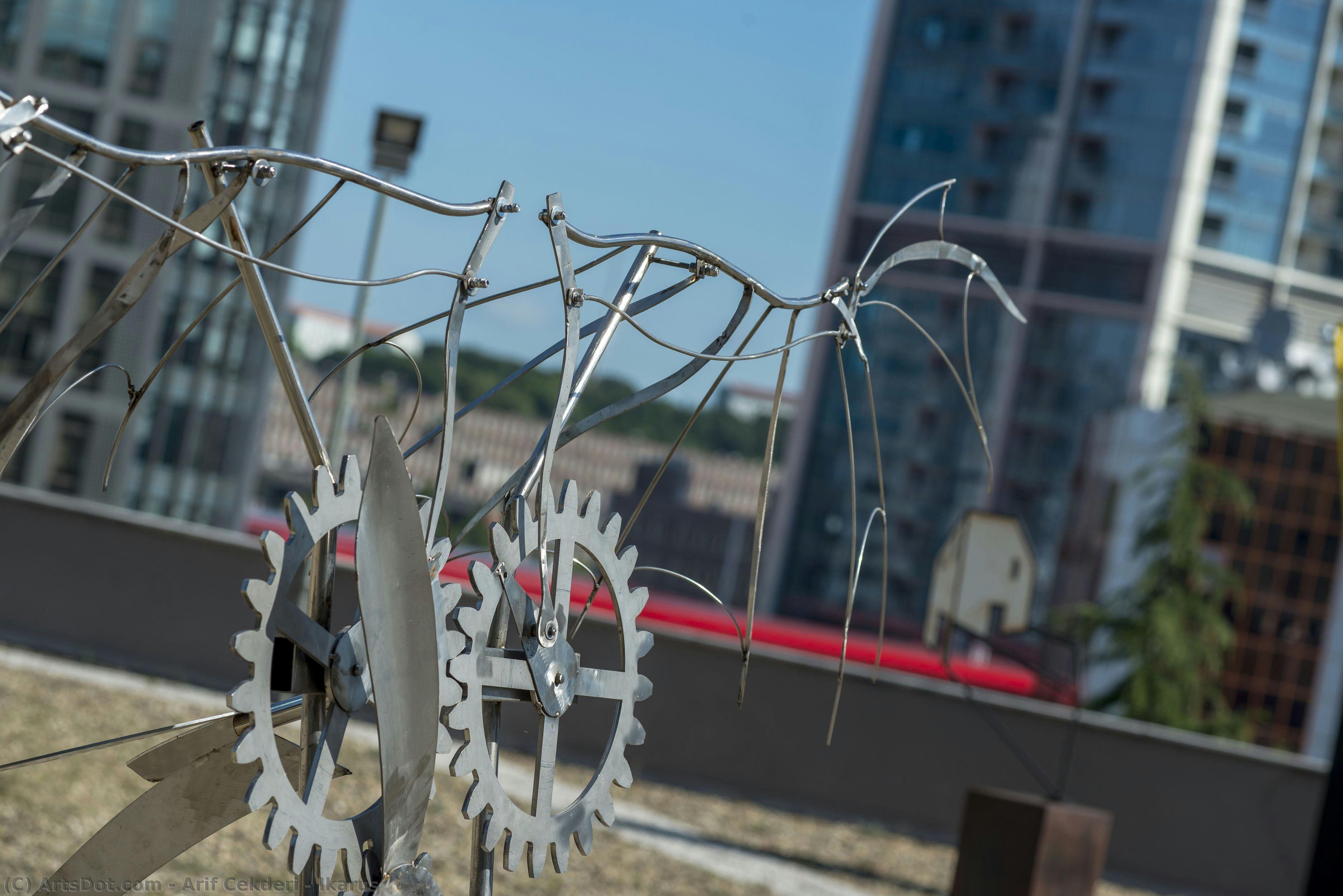
Ikarus
Replikaatin koko
Born in New York City in December 1960, Jean-Michel Basquiat’s life was tragically cut short at the age of 27 in August 1988. Yet, within his brief but incandescent career, he left an indelible mark on the art world and beyond, becoming a symbol of rebellion, social commentary, and raw, unfiltered expression. His work, deeply rooted in the vibrant, chaotic energy of 1980s New York, continues to resonate with audiences today, offering a potent blend of personal struggle, historical critique, and undeniable artistic brilliance.
Basquiat’s early life was shaped by his Haitian-American heritage. His father, Gerard Basquiat, was a Vincentian priest who served in the Dominican Republic during the 1960s, exposing young Jean-Michel to themes of colonialism, social injustice, and political upheaval. This exposure profoundly influenced his later artistic concerns. He began experimenting with art as a teenager, initially tagging subway cars under the pseudonym SAMO alongside Al Diaz. Their collaborative work, characterized by cryptic epigrams scrawled across the city’s infrastructure, quickly gained notoriety and established Basquiat's early style – a fusion of graffiti aesthetics and intellectual commentary.
By the early 1980s, Basquiat transitioned from street art to gallery exhibitions, marking a pivotal shift in his artistic trajectory. He embraced the burgeoning movement of neo-expressionism, a reaction against the perceived sterility of minimalism and conceptual art. However, unlike many of his contemporaries, Basquiat didn’t simply revive traditional painting techniques; he infused them with a distinctly personal and often confrontational voice. His canvases became layered narratives, incorporating elements of history, mythology, social critique, and autobiographical fragments.
Basquiat's work frequently grappled with themes of race, class, power, and identity. He drew heavily on his Haitian heritage, referencing figures from African and Caribbean history alongside contemporary American icons. His iconic skull paintings, for example, are not merely morbid images but potent symbols of mortality, vulnerability, and the struggle against systemic oppression. He famously appropriated historical imagery – portraits of royalty, biblical scenes, and advertisements – layering them with his own text and symbols to create complex visual dialogues.
Basquiat’s artistic style was remarkably eclectic, drawing on a wide range of influences. He employed techniques borrowed from various sources: the raw energy of graffiti art, the bold colors of Pop Art, the fragmented imagery of collage, and the expressive brushwork of Expressionism. His use of text – often incorporating his own name, historical figures, and social commentary – was central to his work, blurring the boundaries between image and language.
He frequently utilized a distinctive palette of vibrant colors—bold reds, yellows, blues, and blacks—contrasting sharply with the stark white backgrounds of many of his paintings. His compositions were often chaotic and fragmented, reflecting the complexities of urban life and the fractured nature of identity. Influences beyond art included music – particularly hip-hop culture – literature (especially writers like James Baldwin), and the visual language of advertising.
Despite his tragically short career, Jean-Michel Basquiat’s impact on contemporary art is undeniable. He challenged conventional notions of artistic authorship, pushing boundaries and redefining what it meant to be a painter in the 1980s. His work continues to be exhibited worldwide, commanding staggering prices at auction and inspiring artists across generations.
Basquiat’s legacy extends beyond the art world. He became an icon of counterculture, embodying the spirit of rebellion and social activism that defined the decade. His willingness to confront difficult issues – racism, poverty, inequality – through his art made him a powerful voice for marginalized communities. Today, Jean-Michel Basquiat is remembered not just as a brilliant artist but as a cultural hero who used his talent to challenge the status quo and give voice to the voiceless.

1980 - , Turkey


Pysy ajan tasalla uusimmista taideuutisista, eksklusiivisista tarjouksista ja sisustusideoista.
Kerro meille projektistasi, niin taideasiantuntijamme tarjoavat sinulle kolme henkilökohtaista taidesuositusta.
Anna meidän kuratoida 3 vaihtoehtoa juuri sinulle – Ilmaiseksi!

 Jaa
Jaa

 Näytä lisää




































 Lasivaihtoehto on saatavilla vain alle 110 cm kokoisina teoksina


