Tällä sivulla esitettyä taideteosta suojaa tekijänoikeuslaki, mikä tarkoittaa, ettemme voi laillisesti luoda tai myydä täsmälleen samanlaista jäljennöstä. Tämä suoja toteutetaan kansainvälisten sopimusten, kuten esimerkiksi Berne-konventio ja kansallisilla laeilla, mukaan lukien niillä määritellyt Yhdysvaltain tekijänoikeuslaki – Luku 17. Kaikki oikeudet pidätetään. Luvaton kopiointi tai jäljittely on kielletty.
Tämä menetelmä noudattaa täysin tekijänoikeussäännöksiä, sillä se ei sisällä suojatun taideteoksen kopioimista tai jäljentämistä. Sen sijaan kyseessä on luova uudelleentulkinta – uusi maalaus, joka ammentaa vaikutteita alkuperäisestä, mutta ei ole sen identtinen kopio.

Museolaatuisia giclée- tai kankaitaulun tulosteita nopealla tuotannolla ja joustavilla viimeistelyvaihtoehdoilla. ( Osta käsinmaalattu taideteos
Siirry digitaaliseen kuvaan)
Valitse valmiista mitoistamme sellaiset, jotka vastaavat teoksen alkuperäisiä mittasuhteita.
Syötä tarvitsemasi leveys ja korkeus, jotta tuloste sopii kehyksiisi tai seinällesi. Tulostetta voidaan vain leikata, sitä ei voida koskaan suurentaa alkuperäistä kuvaa suuremmaksi, joten eri muotoinen koko aiheuttaa osan kuvasta katoamisen. Lähetämme sinulle digitaalisen mallikuvan hyväksyttäväksi ennen kuin aloitamme tulostuksen. Tällä sivulla näkyvä kuva ei näytä lopullista rajausta — vain mallikuva näyttää sen.
Maailmanlaajuinen toimitus () 2 viikossa tavallisen 4–5 viikon sijaan. (29 lokakuu)
Hochpacker
Replikaatin koko
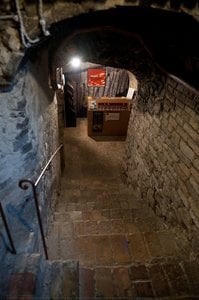
Andreas Golinski:n "Hochpacker" esittää aiheita wooden pallets, storage area, stacked wood, wood texture, warehouse setting Industrial tunnelmassa. Aihe ja ilmapiiri kuvaavat teosta yhdessä.
Andreas Golinski:n "Hochpacker" kuuluu Contemporary Realism-suuntaukseen. Tämä tyylisuunta antaa teokselle sen tyylillisen kontekstin.
Teoksen Andreas Golinski:n "Hochpacker" digitaalisen kuvan voi ostaa sen Digitaalinen teos -sivulta: korkearesoluutioinen digitaalinen kuvalataus.
Born in Essen, Germany, Andreas Golinski has developed a profound artistic language that explores the delicate and often turbulent intersection between individual identity and the crushing weight of industrial mechanisms. His work serves as a poignant meditation on the alienation inherent in modern existence, where the boundaries of the self are frequently eroded by the relentless momentum of production and social structures. Through his lens, the artist examines how the contemporary world can strip away cultural roots and personal history, leaving behind a state of precariousness that affects both the individual and the collective.
Golinski’s creative process is deeply rooted in observation and a commitment to understanding the relational models of our society. His explorations often draw from direct engagement with the realities of labor and survival. For instance, his project Hochpacker emerged from a period spent in Essen, where he observed the lives of workers navigating the complexities of shared existence within industrial frameworks. This immersion allowed him to translate the sensory experience of production into an articulate, labyrinthine itinerary of claustrophobic corridors. By utilizing materials such as piled-up pallets, he creates a physical manifestation of the sensation of progressive alienation, forcing the spectator to confront the loss of intimacy and specific characteristics that occurs within large-scale social mechanisms.
The core of Golinski’s significance lies in his ability to use metaphor to highlight the compulsive models of cohabitation that define our era. His work delves into the tension between a longing for individuality and the necessity of participating in a flexible, yet often indifferent, collectivity. He addresses the modern struggle of maintaining one's essence amidst:
In his practice, categorized within Contemporary Realism, Golinski does not merely document these struggles but reconstructs them into a visceral experience. His installations and works act as mirrors to the contemporary condition, reflecting the ways in which man’s most intimate nature is challenged by the structures of modern commerce and industry. Through this evocative approach, he invites viewers to contemplate the enduring relevance of human agency in an age of systemic uncertainty.
1979 - , Germany