x
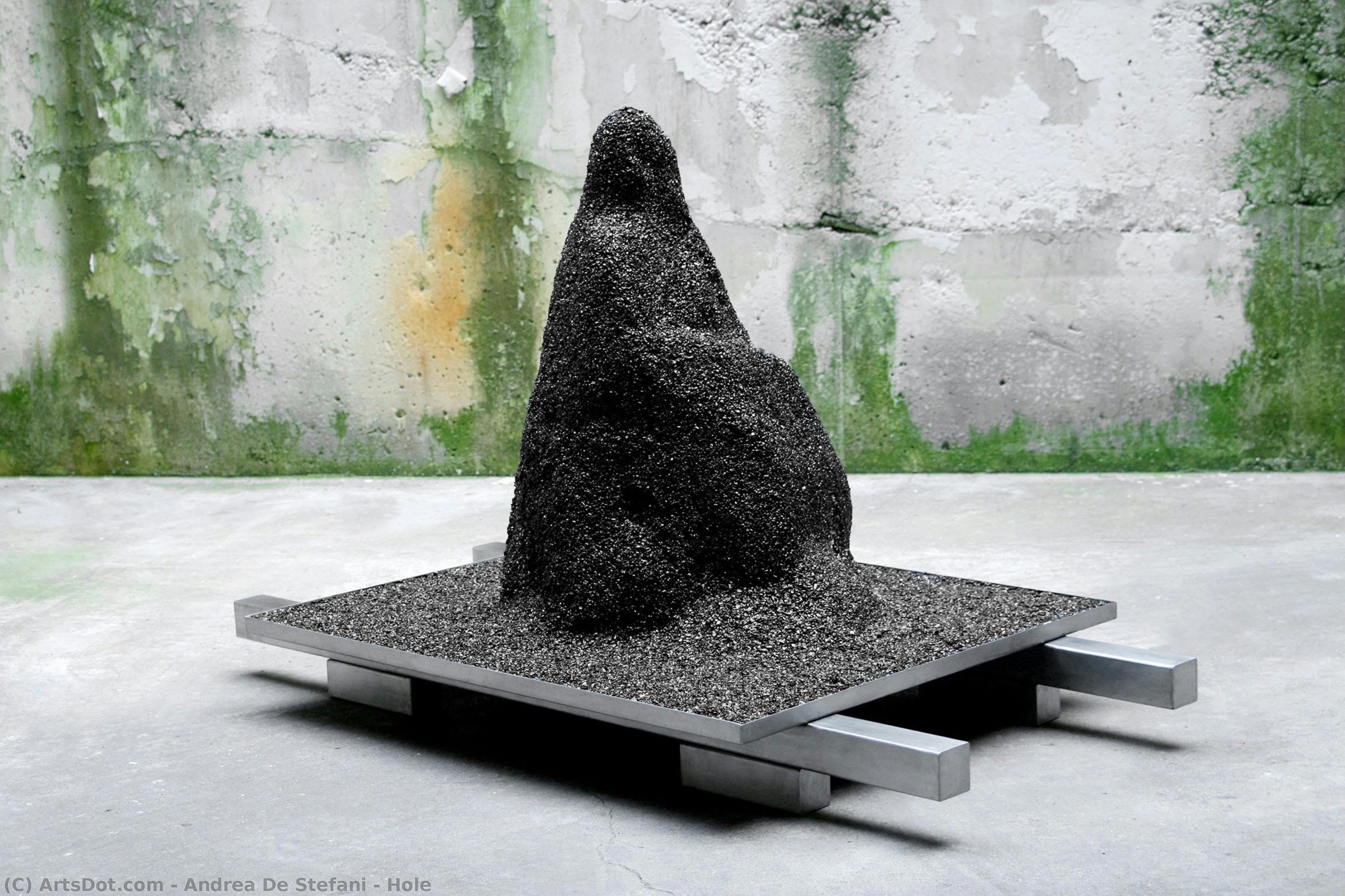
85.0 x 140.0 cm
ViafariniOsta korkearesoluutioinen, parannettu digitaalikuva, joka on laadultaan huomattavasti parempi kuin verkkosivuston esikatselu.
Jokainen tiedosto valmistellaan huolellisesti omien asiantuntijoidemme toimesta käyttäen edistyneitä työkaluja ja ammattitaitoista manuaalista retusointia. Varmistamme, että jokaisessa kuvassa on poikkeuksellinen selkeys, tarkka värintoisto ja hienovaraiset yksityiskohdat.
Lopputiedosto toimitetaan sähköpostitse 72 tunnin kuluessa, ja se on optimoitu välittömään käyttöön ammattimaisissa, toimituksellisissa ja painoympäristöissä. Laatu on sama, johon huipputason suunnittelustudiot, kustantajat ja galleriat luottavat.
Lataa korkearesoluutioinen tiedosto henkilökohtaiseen näyttelyyn, tulostamiseen ja luoviin projekteihin.
Kun valitset WahooArt.com-palvelun, et saa vain kuvaa – saat ammattimaisesti parannetun digitaalisen taideteoksen, joka on luotu tarkkuudella ja jonka takaa tulee tyytyväisyystakuu. Tässä on kaikki, mitä tilauksesi sisältää, automaattisesti:
Korkearesoluutioinen digitaalinen kuvatiedostosi lähetetään sähköpostiisi 72 tunnin kuluessa tilauksesta – valmiina käytettäväksi välittömästi.
Taiteilijasi teos on optimoitu ammattimaisesti edistyneiden tekoälytyökalujen ja manuaalisen muokkauksen avulla, mikä takaa maksimaalisen yksityiskohtaisuuden, selkeyden ja väritarkkuuden.
Oletko vahingossa poistanut tai kadottanut tiedostosi? Ei hätää – lähetämme sen sinulle uudelleen milloin tahansa täysin maksutta.
Nauti taiteestasi välittömästi ilman tulleja, veroja tai toimitusmaksuja – digitaaliset lataukset ovat aina verovapaita.
Varmistamme, että digitaalinen kuvasi vastaa alkuperäisiä värejä mahdollisimman tarkasti käyttämällä ammattilaistason työkaluja ja värinhallintaa.
Jos et ole tyytyväinen digitaaliseen kuvaasi, muokkaamme sitä tai palautamme 100% takaisin 60 päivän kuluessa – ilman kysymyksiä.
Etkö ole tyytyväinen? Saat täyden hyvityksen 60 päivän kuluessa digitaalisen tiedostosi vastaanottamisesta – ilman kyselyitä.
Osta 3 kuvaa, säästä 10% - Osta 5, säästä 15% - Osta 10+, säästä 20%. Erinomainen valinta luoviin projekteihin, gallerioille ja toimistoille.
Andrea de Stefani, born in Arzignano, Italy, in 1982, emerged from a landscape steeped in artistic tradition yet increasingly shaped by the currents of digital culture. His formative years coincided with a period of rapid technological advancement, an environment that would profoundly influence his aesthetic sensibility and conceptual approach. De Stefani’s initial exploration of art wasn't confined to traditional mediums; he pursued studies in both visual and performing arts at IUAV University in Venice, fostering a multidisciplinary perspective that allowed him to seamlessly integrate diverse creative disciplines into his practice.
This academic foundation proved crucial in developing his unique voice. Rather than adhering strictly to established artistic norms, De Stefani began experimenting with the interplay between analog and digital techniques, recognizing the potential of technology not merely as a tool but as an inherent component of contemporary experience. Venice itself—a city layered with history, art, and a palpable sense of decay—became both a subject and a catalyst for his work.
De Stefani’s early exhibitions signaled the arrival of a distinctive artistic vision. Works like ‘Il crepaccio Instagram show’ (2018) weren't simply displays of art; they were immersive experiences that directly engaged with the pervasive influence of social media. The title itself points to his fascination with platforms like Instagram, not as superficial outlets but as spaces where identity is constructed, memories are curated, and reality is often fragmented or distorted.
His technique began to coalesce around a layered aesthetic—a deliberate accumulation of imagery sourced from diverse origins: digital archives, found photographs, personal recollections, and the detritus of online culture. These elements aren’t seamlessly blended; instead, they exist in a state of tension, revealing glimpses of underlying structures and hinting at the instability of perception. This approach reflects a broader concern with the ephemerality of information and the challenges of navigating an increasingly virtual world.
While De Stefani’s work is distinctly contemporary, it resonates with historical precedents. The fragmented compositions and layered perspectives evoke echoes of Cubism and Surrealism, particularly the collage techniques of artists like Kurt Schwitters and Max Ernst. However, he diverges from these influences by incorporating the visual language of digital glitches, screen artifacts, and the aesthetic conventions of internet culture.
His exploration of landscape, as highlighted in critical reviews of exhibitions focusing on contemporary Italian art, further reveals his conceptual depth. De Stefani doesn’t depict landscapes in a traditional sense; rather, he reconstructs them through layers of digital imagery, creating surreal and often unsettling visions that reflect the psychological impact of environmental change and the alienation of modern life. The notion of landscape as a mirror to the soul—a concept explored by Romantic philosophers like Henri-Frédéric Amiel—is subtly reinterpreted within the context of the digital age.
De Stefani’s work has garnered increasing attention in recent years, with solo exhibitions at prominent venues such as Marsèlleria in Milan (2016) and features in esteemed institutions like Fondazione Sandretto Re Rebaudengo. These achievements underscore his growing recognition within the contemporary art world.
His success isn’t solely attributable to technical skill; it stems from a profound conceptual clarity and an ability to articulate the anxieties and complexities of our time. De Stefani doesn't offer easy answers or straightforward narratives; instead, he presents viewers with fragmented realities that demand active engagement and critical reflection.
Andrea de Stefani occupies a unique position within contemporary art—bridging the gap between traditional artistic practices and the digital realm. His work serves as a compelling commentary on the impact of technology, the construction of identity in the age of social media, and the challenges of navigating an increasingly virtual world.
Currently residing and working between Venice and Vicenza, De Stefani continues to push the boundaries of his artistic practice. He remains committed to exploring the interplay between analog and digital techniques, creating captivating works that challenge our perceptions of reality and invite us to question the nature of memory, identity, and experience in the 21st century.
1982 - , Italy
Kerro meille projektistasi, niin taideasiantuntijamme tarjoavat sinulle kolme henkilökohtaista taidesuositusta.
Anna meidän kuratoida 3 vaihtoehtoa juuri sinulle – Ilmaiseksi!