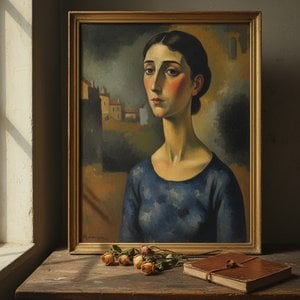
Taiteilijan elämäkerta
Amedeo Modigliani: Kaunis ja Surullinen Italialainen Taiteilija – Lonkanäköiset Muotokuvat ja Veistokset
Amedeo Clemente Modigliani, nimi joka on synonyymi lumoavalle kauneudelle ja surulliselle kaipuulle, pysyy yksi varhaisen 20. vuosisadan suurimmista taiteilijoista – ikoninen muotokuva-taiteilija ja veistosmestari, jonka lonkanäköiset henkilöt ovat tunnettuja erityisesti yksinkertaisen mutta monumentaalisen linjan käyttöstä sekä syvällisestä ihmisen sisäelämän tutkimuksesta. Hän syntyi Livornoon, Italiassa vuonna 1884 Sephardic juutalaisen perheen lapsena ja hänen elämänsä oli merkitty sekä syväksi taiteelliseksi näkemykseksi että jatkuviin taloudellisiin vaikeuksiin. Hänen äitinsä Eugénie Garsin, joka syntyi Marseilleen, oli sukua älylliselle, kirjalliselle Sephardic-perheelle, joka kuiskasi sukupolvia italialaista kulttuuria ja jonka jäsenet olivat tunnettuja Nietzschestä, Baudelairesta ja Lautréamontista. Hän sai vaikutteita myös italialaisesta renessanssista. Vuonna 1906 Modigliani muutti Pariisiin, jossa hän kohtasi nuoren taiteilijan maailman keskus – École de Parisin. Hän oli yhteydessä Pablo Picasson ja Constantin Brâncušin kaltaisten suurten henkilöiden kanssa, jotka syvästi muuttivat hänen estetiikkaansa. Hänen ensimmäinen merkittävä kohtaamisensa oli André Salmonin ja Max Jacobin kanssa, jotka olivat keskeisiä hänen taiteellisen kehityksensä kannalta. Hän oli erityisesti kiinnostunut kubistisesta liikkeestä, jonka jäsenet käyttivät yksinkertaisia geometrisiä muotoja ja värejä luodakseen maalauksiaan. Hän sai kuitenkin pian tietoisuuden siitä, että kubismi ei ollut hänelle sopiva tapa ilmaista tunteitaan. Hänen taiteellinen henkensä kaipasi jotain syvempää, jotain joka olisi yhteydessä ihmisen sisäiseen maailmaan. Hän aloitti intensiivisen kokeilun ajan, ottamalla vaikutteita afrikkalaisesta veistoksesta – erityisesti sen yksinkertaisten muotojen ja yksityiskohtien puuttumisesta – sekä italialaisen renessanssin kauneudesta.
Tyyli ja Innovaatio: Lonkanäköiset Muotokuvat ja Veistokset
Modigliani kehitti oman tunnusomaisen tyylinsä yhdistämällä nämä erilaiset vaikutteet mestarillisesti. Hänen muotokuvansa ovat välittömästi tunnistettavia lonkannäköisten kasvojen ja kaulan yksinkertaistamisesta sekä henkilön sisäisen maailman tutkimuksesta. Hän poisti kaikki ylimääräiset yksityiskohdat keskittyen olennaisiin muotoihin ilmaistaakseen tunteet äärimmäisen tehokkaasti. Hänen näädönsä ovat samanlaisia – ne eivät ole selkeästi seksuaalisia vaan täynnä aikaa ylittävää kauneutta ja eksistentiaalista kaipuuta. Hän yksinkertaisti henkilön ulkonäköä käyttämällä vain olennaisia yksityiskohtia, jotka korostavat tunteita tarkasti. Hänen veistoksensa ovat yhtä vaikuttavia – ne ovat yksinkertaisia mutta monumentaalisia ja ilmaisevat ihmisen sisäistä maailmaa syvällisesti. Hän oli erityisesti kiinnostunut afrikkalaisen veiston vaikutuksesta, jonka yksinkertaistetut muodot korostavat olennaisia yksytyiskohtia ja yksinkertaistavat henkilön ulkonäköä. Hänen työnsä ovat täynnä yksityiskohtia, jotka kertovat ihmisen sisäisestä maailmasta syvällisesti. Hän oli erityisesti kiinnostunut afrikkalaisen veiston vaikutuksesta, jonka yksinkertaistetut muodot korostavat olennaisia yksityiskohtia ja yksinkertaistavat henkilön ulkonäköä. Hänen työnsä ovat täynnä yksityiskohtia, jotka kertovat ihmisen sisäisestä maailmasta syvällisesti. Hän oli erityisesti kiinnostunut afrikkalaisen veiston vaikutuksesta, jonka yksinkertaistetut muodot korostavat olennaisia yksityiskohtia ja yksinkertaistavat henkilön ulkonäköä. Hänen työnsä ovat täynnä yksityiskohtia, jotka kertovat ihmisen sisäisestä maailmasta syvällisesti. Hän oli erityisesti kiinnostunut afrikkalaisen veiston vaikutuksesta, jonka yksinkertaistetut muodot korostavat olennaisia yksityiskohtia ja yksinkertaistavat henkilön ulkonäköä. Hänen työnsä ovat täynnä yksityiskohtia, jotka kertovat ihmisen sisäisestä maailmasta syvällisesti. Hän oli erityisesti kiinnostunut afrikkalaisen veiston vaikutuksesta, jonka yksinkertaistetut muodot korostavat olennaisia yksityiskohtia ja yksinkertaistavat henkilön ulkonäköä. Hänen työnsä ovat täynnä yksityiskohtia, jotka kertovat ihmisen sisäisestä maailmasta syvällisesti. Hän oli erityisesti kiinnostunut afrikkalaisen veiston vaikutuksesta, jonka yksinkertaistetut muodot korostavat olennaisia yksityiskohtia ja yksinkertaistavat henkilön ulkonäköä. Hänen työnsä ovat täynnä yksityiskohtia, jotka kertovat ihmisen sisäisestä maailmasta syvällisesti. Hän oli erityisesti kiinnostunut afrikkalaisen veiston vaikutuksesta, jonka yksinkertaistetut muodot korostavat olennaisia yksityiskohtia ja yksinkertaistavat henkilön ulkonäköä. Hänen työnsä ovat täynnä yksityiskohtia, jotka kertovat ihmisen sisäisestä maailmasta syvällisesti. Hän oli erityisesti kiinnostunut afrikkalaisen veiston vaikutuksesta, jonka yksinkertaistetut muodot korostavat olennaisia yksityiskohtia ja yksinkertaistavat henkilön ulkonäköä. Hänen työnsä ovat täynnä yksityiskohtia, jotka kertovat ihmisen sisäisestä maailmasta syvällisesti. Hän oli erityisesti kiinnostunut afrikkalaisen veiston vaikutuksesta, jonka yksinkertaistetut muodot korostavat olennaisia yksityiskohtia ja yksinkertaistavat henkilön ulkonäköä. Hänen työnsä ovat täynnä yksityiskohtia, jotka kertovat ihmisen sisäisestä maailmasta syvällisesti. Hän oli erityisesti kiinnostunut afrikkalaisen veiston vaikutuksesta, jonka yksinkertaistetut muodot korostavat olennaisia yksityiskohtia ja yksinkertaistavat henkilön ulkonäköä. Hänen työnsä ovat täynnä yksityiskohtia, jotka kertovat ihmisen sisäisestä maailmasta syvällisesti. Hän oli erityisesti kiinnostunut afrikkalaisen veiston vaikutuksesta, jonka yksinkertaistetut muodot korostavat olennaisia yksityiskohtia ja yksinkertaistavat henkilön ulkonäköä. Hänen työnsä ovat täynnä yksityiskohtia, jotka kertovat ihmisen sisäisestä maailmasta syvällisesti. Hän oli erityisesti kiinnostunut afrikkalaisen veiston vaikutuksesta, jonka yksinkertaistetut muodot korostavat olennaisia yksityiskohtia ja yksinkertaistavat henkilön ulkonäköä. Hänen työnsä ovat täynnä yksityiskohtia, jotka kertovat ihmisen sisäisestä maailmasta syvällisesti. Hän oli erityisesti kiinnostunut afrikkalaisen veiston vaikutuksesta, jonka yksinkertaistetut muodot korostavat olennaisia yksityiskohtia ja yksinkertaistavat henkilön ulkonäköä. Hänen työnsä ovat täynnä yksityiskohtia, jotka kertovat ihmisen sisäisestä maailmasta syvällisesti. Hän oli erityisesti kiinnostunut afrikkalaisen veiston vaikutuksesta, jonka yksinkertaistetut muodot korostavat olennaisia yksytyiskohtia ja yksinkertaistavat henkilön ulkonäköä. Hänen työnsä ovat täynnä yksityiskohtia, jotka kertovat ihmisen sisäisestä maailmasta syvällisesti. Hän oli



 Esikatselu
 Vaihda tulosteeseen
 Jaa
Jaa Jaa
Jaa
 Tarkemmat tiedot

 Lataa
Lataa
 Samanlaisia
 Röntgenkuva
 Diaesitys
 Tilastot


 Näytä lisää






































 Lasivaihtoehto on saatavilla vain alle 110 cm kokoisina teoksina