

Tällä sivulla esitettyä taideteosta suojaa tekijänoikeuslaki, mikä tarkoittaa, ettemme voi laillisesti luoda tai myydä täsmälleen samanlaista jäljennöstä. Tämä suoja toteutetaan kansainvälisten sopimusten, kuten esimerkiksi Berne-konventio ja kansallisilla laeilla, mukaan lukien niillä määritellyt Yhdysvaltain tekijänoikeuslaki – Luku 17. Kaikki oikeudet pidätetään. Luvaton kopiointi tai jäljittely on kielletty.
Tämä menetelmä noudattaa täysin tekijänoikeussäännöksiä, sillä se ei sisällä suojatun taideteoksen kopioimista tai jäljentämistä. Sen sijaan kyseessä on luova uudelleentulkinta – uusi maalaus, joka ammentaa vaikutteita alkuperäisestä, mutta ei ole sen identtinen kopio.
Museolaatuisia giclée- tai kankaitaulun tulosteita nopealla tuotannolla ja joustavilla viimeistelyvaihtoehdoilla. ( Osta käsinmaalattu taideteos Siirry digitaaliseen kuvaan)





























Valitse valmiista mitoistamme sellaiset, jotka vastaavat teoksen alkuperäisiä mittasuhteita.

Syötä tarvitsemasi leveys ja korkeus, jotta tuloste sopii kehyksiisi tai seinällesi. Tulostetta voidaan vain leikata, sitä ei voida koskaan suurentaa alkuperäistä kuvaa suuremmaksi, joten eri muotoinen koko aiheuttaa osan kuvasta katoamisen. Lähetämme sinulle digitaalisen mallikuvan hyväksyttäväksi ennen kuin aloitamme tulostuksen. Tällä sivulla näkyvä kuva ei näytä lopullista rajausta — vain mallikuva näyttää sen.
Maailmanlaajuinen toimitus () 2 viikossa tavallisen 4–5 viikon sijaan. (10 marraskuu)
Harbor
Replikaatin koko
In the quietude of 1940, Allan Randall Freelon captured a moment of profound tranquility in his evocative work, Harbor. This waterfront scene serves as more than just a depiction of maritime life; it is an invitation into a world where time seems to slow, allowing the viewer to breathe in the salt air and the gentle rhythm of the tides. The painting features two primary sailboats docked closely at a pier, their masts reaching toward the sky like silent sentinels of the sea. As the eye wanders through the composition, smaller vessels emerge from the soft background, creating a magnificent sense of depth that draws the observer deeper into the heart of the bay. This layering of boats provides a structural complexity that anchors the scene, offering a rich tapestry of maritime geometry.
The true soul of the piece, however, lies in its subtle infusion of human presence. Three figures are scattered across the canvas—one near the left periphery, one anchored toward the center, and another resting on the right. These individuals are not mere subjects but vital components of the narrative, breathing life and a sense of communal activity into the stillness of the harbor. Their placement suggests a shared, quiet experience of the landscape, transforming a simple seascape into a living, breathing social tableau. For the collector or interior designer, this presence of humanity adds an emotional warmth that makes the artwork feel inhabited and deeply relatable.
As a pioneer of Harlem Renaissance Impressionism, Allan Randall Freelon utilized light and color to evoke atmosphere rather than mere documentation. In Harbor, the technique reflects the artist's mastery over the Impressionist tradition, where brushstrokes are used to capture the shimmering reflections on the water and the soft, diffused glow of the daylight. The interplay between the solid forms of the docked boats and the fluid, light-drenched background creates a visual harmony that is both soothing and intellectually stimulating. This style allows the painting to function beautifully in various interior settings, acting as a window of light and calm within a room.
To possess a reproduction of this work is to hold a piece of African American art history. Freelon’s ability to blend the technical rigor of Impressionism with the evocative themes of his era provides a sophisticated layer of meaning for any discerning art lover. The painting does not demand attention through loud colors or jarring movements; instead, it commands respect through its balance, its historical weight, and its ability to evoke a sense of peace. It is an ideal selection for those seeking to introduce a touch of classical elegance and historical depth into a curated space, offering a timeless aesthetic that transcends the decades.
"Harbor" on Allan Randall Freelonn luoma Impressionism-tyylinen teos. Taiteilija ja tyylisuunta määrittelevät teoksen perinteet.
"Harbor" kuuluu Impressionism-suuntaukseen, ja sen tekijä työskenteli Modern-aikakaudella.
Teoksen Allan Randall Freelon:n "Harbor" väripalettia kuvataan sanoin Earthy. Se on tiivis kuvaus teoksen väreistä.

In the vibrant tapestry of the Harlem Renaissance, few threads are as luminous and technically refined as those woven by Allan Randall Freelon. A native of Philadelphia, born in 1895 into a family defined by academic achievement, Freelon emerged not merely as an observer of his era, but as a pioneering force who bridged the gap between classical European techniques and the burgeoning Black aesthetic of early twentieth-century America. His life was a testament to the power of artistic excellence as a tool for social progress, blending the delicate light of Impressionism with a profound dedication to education and civil rights.
Freelon’s journey through the world of art was marked by an unrelenting pursuit of mastery. His formal training was deeply rooted in the institutions of his beloved Philadelphia, including the Pennsylvania Museum and School of Industrial Art and later the Tyler School of Art at Temple University. This rigorous academic foundation allowed him to command a variety of media, from the soft, atmospheric strokes of oil on canvas to the intricate precision of printmaking. He sought mentorship from the masters of his time, studying privately with renowned printmakers such as Earl Hoster and Dox Thrash, which helped him become the first African American member of the prestigious Print Club of Philadelphia in 1921.
While many artists of the Harlem Renaissance focused on the urban rhythms of jazz and city life, Freelon often found his muse in the serene, shifting qualities of the natural world. His work is celebrated for its evocative use of light, capturing the ephemeral beauty of American landscapes with an Impressionist sensibility that felt both timeless and modern. One of his most poignant subjects was the Gloucester harbor in Massachusetts; through his eyes, the waterfront became a stage for dancing reflections and tranquil sailboats, demonstrating an ability to translate the movement of water and air into tangible emotion.
His technical prowess extended far beyond the canvas. As a skilled lithographer, Freelon possessed a unique ability to manipulate shadow and line, creating works that resonated with the same depth as his paintings. This versatility allowed him to navigate different artistic circles, from the local Philadelphia exhibitions at the Pyramid Club to broader national recognition. His art did not merely document scenery; it captured the very essence of a changing America, using the soft focus of Impressionism to invite viewers into a world of quiet contemplation and grace.
Beyond the studio, Allan Randall Freelon’s impact on the American cultural landscape was profound and structural. He was a man of immense civic responsibility, serving as a Second Lieutenant in the U.S. Army during World War I before dedicating his life to the upliftment of others through art education. His appointment as the assistant director of art education for the Philadelphia School District was a landmark achievement, marking him as the first African American to hold such a significant supervisory role within the city's educational system.
This commitment to mentorship ensured that his influence would ripple through generations. By teaching lithography at the Philadelphia Museum of Art and shaping curriculum in public schools, he helped cultivate a new era of diverse artistic voices. His life was a seamless blend of creative expression and social advocacy, proving that the brushstroke could be just as powerful as the protest. Today, we remember Freelon not only as a master of light and color but as a foundational figure whose academic rigor and trailblazing spirit helped secure a place for African American excellence in the annals of American art history.
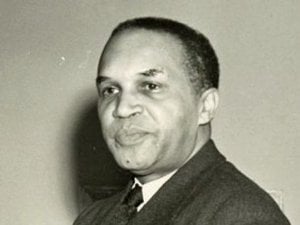
1895 - 1960 , United States of America

Explore the ethereal beauty of Impressionist landscapes. Discover how masters like Monet captured fleeting light through color and texture, and learn to curate these timeless, luminous masterpieces for your home collection.

Discover the ethereal beauty of Impressionist art. Explore how masters like Claude Monet captured light and color through revolutionary techniques, and learn to bring this timeless elegance into your home with museum-quality reproductions.

Discover the ethereal beauty of Impressionistic portraiture. Explore how masters capture light and emotion through exquisite hand-painted oil reproductions, perfect for discerning collectors seeking timeless elegance and museum-quality artistry for luxury interiors.
 Esikatselu
 Jaa teos
 Jaa
Jaa
 Tiedot
 Opas
Opas

 Lataa kuva
 Samanlaisia kohteita
 Röntgenkuvaus
 Diaesitys
 Kysymykset ja vastaukset
 Tilastot


 Lue lisää









 Lasivaihtoehto on saatavilla vain alle 110 cm kokoisille teoksille


