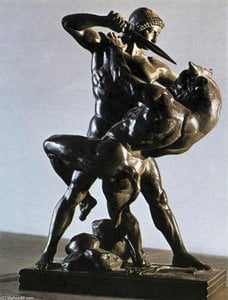
Osta korkearesoluutioinen, parannettu digitaalikuva, joka on laadultaan huomattavasti parempi kuin verkkosivuston esikatselu.
Jokainen tiedosto valmistellaan huolellisesti omien asiantuntijoidemme toimesta käyttäen edistyneitä työkaluja ja ammattitaitoista manuaalista retusointia. Varmistamme, että jokaisessa kuvassa on poikkeuksellinen selkeys, tarkka värintoisto ja hienovaraiset yksityiskohdat.
Lopputiedosto toimitetaan sähköpostitse 72 tunnin kuluessa, ja se on optimoitu välittömään käyttöön ammattimaisissa, toimituksellisissa ja painoympäristöissä. Laatu on sama, johon huipputason suunnittelustudiot, kustantajat ja galleriat luottavat.
Lataa korkearesoluutioinen tiedosto henkilökohtaiseen näyttelyyn, tulostamiseen ja luoviin projekteihin. ( Osta printti Osta käsintehty maalaus)
Kun valitset WahooArt.com-palvelun, et saa vain kuvaa – saat ammattimaisesti parannetun digitaalisen taideteoksen, joka on luotu tarkkuudella ja jonka takaa tulee tyytyväisyystakuu. Tässä on kaikki, mitä tilauksesi sisältää, automaattisesti:

Korkearesoluutioinen digitaalinen kuvatiedostosi lähetetään sähköpostiisi 72 tunnin kuluessa tilauksesta – valmiina käytettäväksi välittömästi.

Taiteilijasi teos on optimoitu ammattimaisesti edistyneiden tekoälytyökalujen ja manuaalisen muokkauksen avulla, mikä takaa maksimaalisen yksityiskohtaisuuden, selkeyden ja väritarkkuuden.

Oletko vahingossa poistanut tai kadottanut tiedostosi? Ei hätää – lähetämme sen sinulle uudelleen milloin tahansa täysin maksutta.

Nauti taiteestasi välittömästi ilman tulleja, veroja tai toimitusmaksuja – digitaaliset lataukset ovat aina verovapaita.

Varmistamme, että digitaalinen kuvasi vastaa alkuperäisiä värejä mahdollisimman tarkasti käyttämällä ammattilaistason työkaluja ja värinhallintaa.

Jos et ole tyytyväinen digitaaliseen kuvaasi, muokkaamme sitä tai palautamme 100% takaisin 100 päivän kuluessa – ilman kysymyksiä.

Etkö ole tyytyväinen? Saat täyden hyvityksen 100 päivän kuluessa digitaalisen tiedostosi vastaanottamisesta – ilman kyselyitä.

Osta 3 kuvaa, säästä 10% - Osta 5, säästä 15% - Osta 10+, säästä 20%. Erinomainen valinta luoviin projekteihin, gallerioille ja toimistoille.

In the golden twilight of the fifth century BC, as the Athenian Acropolis reached its zenith of sculptural splendor, a master emerged whose name would become synonymous with grace and meticulous finish. Alcamenes, a sculptor hailing from the island of Lemnos but deeply rooted in the artistic pulse of Athens, occupied a unique position in the classical hierarchy. As a younger contemporary and likely a pupil of the legendary Phidias, Alcamenes did not merely mimic the grandiosity of his predecessor; instead, he infused the marble with a distinctive delicacy that suggested a more intimate, refined approach to the human form. While history often remembers the monumental scale of the Parthenon’s creators, it is in the subtle textures and the soft, flowing lines attributed to Alcamenes that we find a different kind of classical mastery—one that prioritized the poetic nuance of movement over sheer architectural dominance.
The works of Alcamenes, though many lost to the ravages of time, survive through the echoes of Roman copies and the fragmented accounts of ancient geographers. His artistry is characterized by an exquisite attention to detail, a quality that earned him renown among his peers. Among the most celebrated subjects associated with his hand are the Aphrodite of the Gardens and a Hephaestus, works that likely embodied the serene beauty and divine elegance central to the Athenian aesthetic. There is a haunting quality to his surviving traces; even in the Hellenistic head of the Hermes Propylaeus discovered at Pergamum, one can sense the ghost of an original vision that sought to capture the divine through a lens of sophisticated realism. Though some later copies adopted a more conventional or archaistic character, the true spirit of Alcamenes remains tied to the progressive and original energy of the High Classical period.
To study Alcamenes is to wander through the mythological landscape of ancient Greece, where every chisel stroke served to bridge the gap between the mortal and the divine. His influence extended beyond the mere depiction of gods; he was a storyteller in stone. The historical record, though often debated by scholars, attempts to place him at the heart of Greece's most sacred sites. While some ancient accounts, such as those by Pausanias, suggest his involvement in the pediments of the Temple of Zeus at Olympia, modern historians view such claims with a cautious eye, noting the chronological complexities involved. Yet, this ambiguity only adds to his mystique, painting him as an artist whose reputation was so vast that it seemed to touch every corner of the Greek world.
His contributions to the Athenian landscape were profound, contributing to the very fabric of the city's visual identity. Whether through the bronze Pentathlete mentioned by Pliny the Elder or his potential role in the sculptural program of the Parthenon, Alcamenes helped define the "Severe" and "High Classical" transition. His ability to manipulate medium—working with both the strength of brass and the translucency of marble—allowed him to explore a range of emotional depths. The following elements define the essence of his artistic contribution:
Ultimately, Alcamenes remains an enigmatic figure, a master whose true masterpieces are lost to the dust of centuries, yet whose influence persists in every graceful curve of classical sculpture. He represents that fleeting moment in history when the sculptor's art moved beyond mere representation to achieve a profound, delicate truth—a legacy of beauty that continues to captivate the modern imagination.

Greece

 Esikatselu
 Jaa
Jaa Jaa
Jaa
 Tarkemmat tiedot

 Lataa
Lataa
 Samanlaisia
 Röntgenkuva
 Diaesitys

 Näytä lisää