A Life Forged in Nuremberg: The Early Years and Apprenticeship
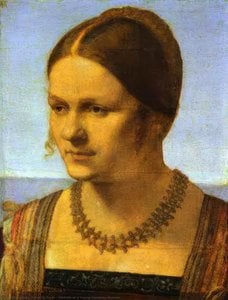
Albrecht Dürer, nimi joka on synonyymi Saksalaiselle renessanssille, nousi esiin Nürnbergin vilkkaassa käsityöläiskaupunkissa vuonna 1471. Hänen isänsä, Albrecht Dürer Senior, oli menestyksekäs kultaseppä, joka oli muuttanut Unkarista Saksaan ja tuonut mukanaan perinnön taitoa. Tämä ympäristö – metallin haju ja tarkka käden työn tarkkuus – loi pohjan nuoren Albrechtin taiteellisille taipumuksille. Vaikka isänsä näki hänestä kultasepinän, Albrecht osoitti pian poikkeuksellisen lahjakkuutensa piirtämisessä. Kolmetoista-vuotiaana hän siirtyi Michael Wolgemutin työpajaan, Nürnbergin johtavaan taiteilijaan tuona aikana. Tämä ei ollut pelkästään teknistä koulutusta; se oli uppoutumista valokirjoihin, maalattuihin paneeleihin ja – tärkeintä – puupiirrosten nousuun. Wolgemutin työpajan tuottama työmäärä, mukaan lukien laajat kuvaukset *Nürnbergin kalenterissa*, tarjosivat Dürerille ennennäkemätöntä pohjaa suunnittelulle, kompositiolle ja kuvan tekemisen mekaaniselle puolelle. Upea hopeakuvaporträtti vuodelta 1484, kun hän oli vain teini-ikäinen, on hämmästyttävä todiste hänen kehittyvästä lahjakkuudestaan – testamentti taiteellisesta identiteetistä, joka alkoi muotoutua. Vaikka isänsä näki hänestä kultasepinän, Albrecht osoitti pian poikkeuksellisen lahjakkuutensa piirtämisessä. Kolmetoista-vuotiaana hän siirtyi Michael Wolgemutin työpajaan, Nürnbergin johtavaan taiteilijaan tuona aikana. Tämä ei ollut pelkästään teknistä koulutusta; se oli uppoutumista valokirjoihin, maalattuihin paneeleihin ja – tärkeintä – puupiirrosten nousuun. Wolgemutin työpajan tuottama työmäärä, mukaan lukien laajat kuvaukset *Nürnbergin kalenterissa*, tarjosivat Dürerille ennennäkemätöntä pohjaa suunnittelulle, kompositiolle ja kuvan tekemisen mekaaniselle puolelle. Upea hopeakuvaporträtti vuodelta 1484, kun hän oli vain teini-ikäinen, on hämmästyttävä todiste hänen kehittyvästä lahjakkuudestaan – testamentti taiteellisesta identiteetistä, joka alkoi muotoutua.
The Italian Influence and Artistic Maturation
Dürerin intohimoinen halu ulottui Nürnbergin rajojen yli. Hän oli pakkomielessä uteliaisuus ja pyrkimys mestaruuteen maalauksessa, hän teki ensimmäisen matkansa Italiaan vuonna 1494. Tämä ei ollut pelkkää nähtävyyksiä; se oli pyhiinvaellus renessanssin sydäelle. Hän kohtasi mestareita kuten Rafael, Giovanni Bellini ja Leonardo da Vinci – taiteilijoita, jotka uudistasivat muodon, perspektiivin ja ihmisen ilmaisun mahdollisuuksia. Tämän kohtaamisen vaikutus oli syvällinen. Dürer imi klassisia motiiveja, harmonista kompositioa ja hienovaraista sfumatoa, joka oli tunnusomaista italialaiselle taiteelle, mutta hän ei koskaan luopunut pohjoismaisesta aistillisuudestaan tarkkuuden ja symbolisen syvyyden suhteen. Toinen matka Italiaan vuosina 1505–1507 vahvisti näitä vaikutteita entisestään, mahdollistaen hänet tutustumaan antiikin roomalaisten raunioihin ja hienosäätämään ymmärrystään anatomiasta ja suhteista. Tämä klassisen ja pohjoismaisen aistillisuuden yhdistelmä muuttui Dürerin ainutlaatuisen taiteellisen tyylin tunnusmerkiksi.
Mastering the Mediums: Painting, Engraving, and Woodcut
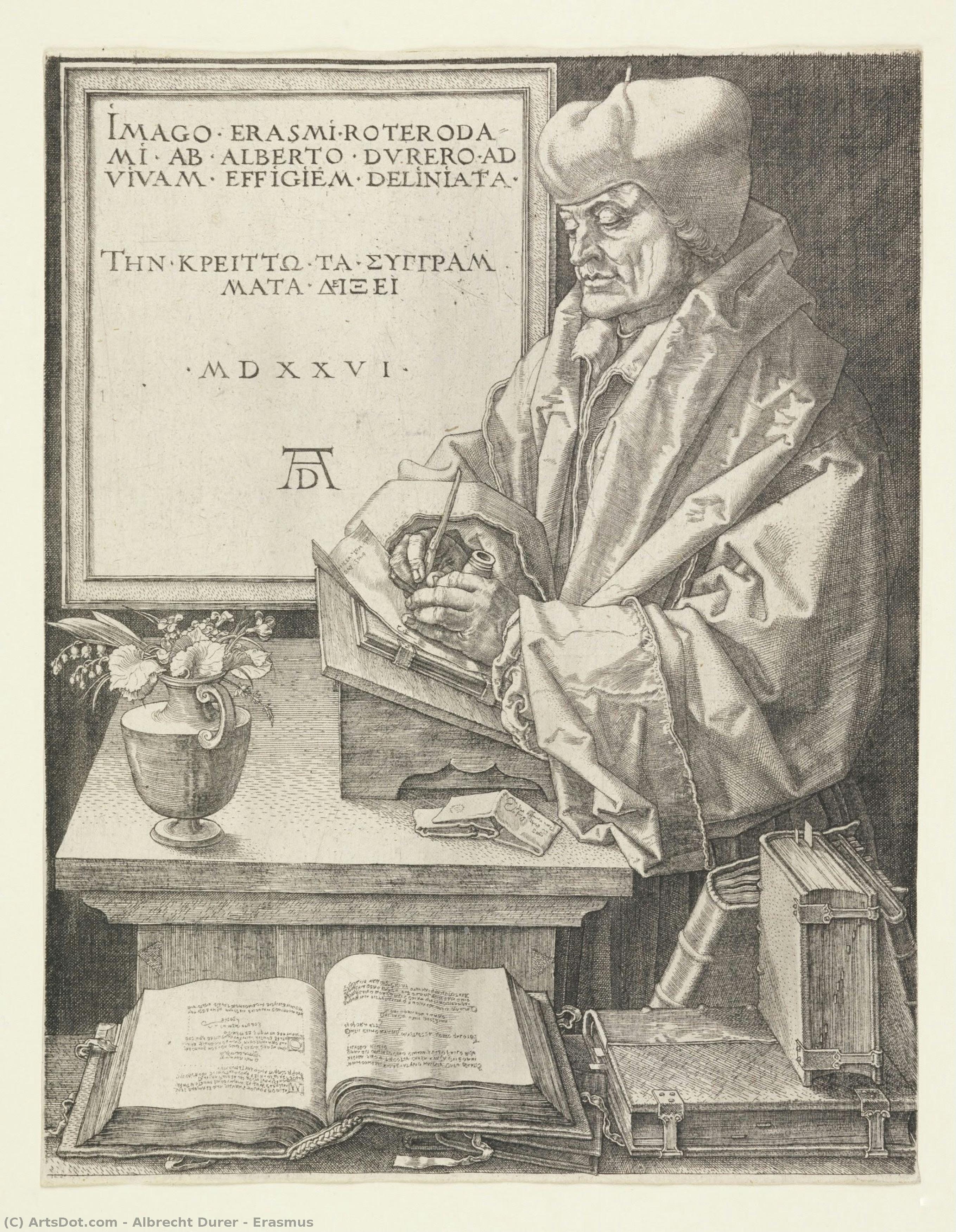
Dürer oli useiden materiaalien mestari, joista jokainen tarjosi hänelle erilaisia luovuuden kanavia. Hänen maalauksensa, vaikka niitä on vähemmän kuin printtejä, osoittavat hämmästyttävää hallintaa öljyvärimaalauksessa ja kykyä vangita sekä fyysinen samankaltaisuus että psykologinen syvyys. Teokset kuten *Rosmariinin juhla* (1506) paljastavat eloisan värimaailman, joka on saanut vaikutteita venetsialaisesta värityksestä. Kuitenkin printtaus – erityisesti kaiverrus ja puupiirros – oli se ala, jossa Dürer todella mullisti taiteellisen käytännön. Hän kohdensi nämä tekniikat itsenäisiksi taidemuodoiksi, jotka pystyivät välittämään monimutkaisia tarinoita ja syvällisiä tunteita. *Apokalypsin* sarja (1498), neljätoista puupiirrosta Raamatun Ilmestyskirjan kuvaukseen, osoitti hänen taitojaan tässä mediassa huolimatta sen sisäisistä rajoituksista. Myöhemmät kaiverrukset kuten *Melankolia I* (1514) ja *Jerome kirjastossa* (1514) ovat todiste hänen vertaansa vailla olevasta taidostaan – monimutkaisia kompositioita, jotka on täynnä symbolista merkitystä ja toteutettu huolellisesti. Hän ei pelkästään kuvannut todellisuutta; hän sisällytti siihen kerroksia älyllistä ja hengellistä merkitystä.
Major Achievements and Historical Significance
Dürer ei ollut vain taiteilija; hän oli tutkija, teoreetikko ja innovaattori, joka pyrki ymmärtämään taiteen luonnollisia periaatteita. Hän uskoi taiteen matemaattisiin perusteisiin ja omistautui tiukan tarkastelun perustamisen tutkimiselle. Hänen teoksensa *Neljä kirjaa ihmisproportioista* (1528) olivat uraauurtavia ajassaan, koska ne osoittivat hänen sitoutumistaan tieteelliseen havainnoon ja rationaaliseen analyysiin. Nämä kirjoitukset eivät olleet pelkästään akateemisia harjoituksia; ne oli tarkoitettu nostamaan taiteilijoiden asema käsityöläisistä älykkäiksi toimijoiksi. Dürerin perintö ulottuu paljon hänen yksittäisten teostensa yli. Hän yhdisti pohjoismaiset traditiot ja renessanssin italialaiset ideat, tuoden klassisia motiiveja pohjoiseen taiteeseen säilyttäen samalla sen ainutlaatuisen luonteen. Hänen teoreettiset panoksensa perustivat uuden kehyksen taiteelliselle käytännölle, inspiroimatta sukupolvia taiteilijoita hänen teknisen taitonsa, innovatiivisen ajattelunsa ja syvällisen näkemyksensä avulla.
Hän on edelleen yksi tärkeimmistä hahmoista länsimaiseen taiteen historiassa.
Influences and Enduring Impact
- Michael Wolgemut: Dürerin alkuperäinen mentori, joka tarjosi hänelle perusteita piirtämisessä, maalauksessa ja puupiirrosten tekemisessä.
- Leonardo da Vinci: Inspiroi Düreriä tutkimaan anatomiaa, perspektiiviä ja sfumatoa – hienovaraista sävyjen sekoittamista.
- Raphael: Vaikutti Dürerin harmoniseen kompositioon ja ihannellisiin muotoihin.
- Giovanni Bellini: Auttoi Düreriä ymmärtämään venetsialaista taidetta ja sen värejä.



 Esikatselu
 Osta käsintehty maalaus
 Jaa
Jaa Jaa
Jaa
 Tarkemmat tiedot

 Lataa
Lataa
 Samanlaisia
 Röntgenkuva
 Diaesitys

 Näytä lisää






































 Lasivaihtoehto on saatavilla vain alle 110 cm kokoisina teoksina