
Gothic artistid, ranked

The 34 Most Famous Gothic Kunstnikud

The most famous Gothic kunstnik is Duccio Di Buoninsegna (1255–1319), known for Rucellai Madonna ja Maestà (Madonna with Angels and Saints). Next come Simone Martini, Gentile Da Fabriano, Pisanello ja Stephan Lochner. This ranking of the 34 most famous Gothic artistid runs from Master Mateo (born 1161) to Jan Baegert (born 1465), across 9 countries.

How this list is ranked. Artists whose works our catalogue files under Gothic, in the order of our fame ranking of artists. Artists without a Wikidata identifier born after 1955 are left out until verified. The Wikipedia figure next to each name is the number of our 32 languages in which Wikipedia has an article on the artist.

  1. Rucellai Madonna teos, autor Duccio Di Buoninsegna1Duccio Di Buoninsegna
  2. Maestà (Madonna with Angels and Saints) teos, autor Simone Martini2Simone Martini
  3. A Seated Scribe teos, autor Gentile Da Fabriano3Gentile Da Fabriano

The essentials

Gothic at a glance

  • 34Kunstnikud
  • 1161–1465Sünniaastad
  • 9Sünnimaad
  • 0Naised
  • 1535Meie kataloogis olevad teosed
Linnad kõige rohkem sünnilaikadega
Firenze (5), Siena (3), Nijmegen (2), Fabriano (1)
Muuseumid, kus on kõige rohkem olulisi teoseid
Metropolitan Museum of Art (6), Galleria degli Uffizi (4), National Gallery (3), Museo dell'Opera del Duomo (2)

Ranked, with their masterpieces

The ranking: 34 Gothic Kunstnikud and their key works

1of 34

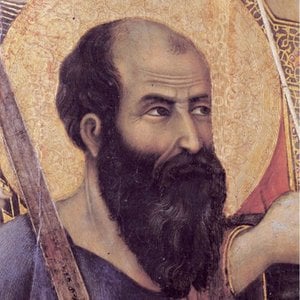
Duccio Di Buoninsegna

Itaalia Born in Siena Sienese koolkond, Trecento gooti stiil Wikipedia in 31/32 languages
Duccio Di Buoninsegna

Sienas, Itaalias, umbes aastal 1255 sündinud Duccio Di Buoninsegna elas elu, mis oli sügavalt sisse põimitud Toskaani religioosse ja civiilse pulssiga. The Virgin and Child with Saints Dominic and Aurea (1312). Sienas, Itaalias, umbes aastal 1255 või 1256 sündinud Duccio Di Buoninsegna pärines suguvõnast, mis kujastas tema isiklikku identiteeti.

Key works · The 100 most famous works · Duccio Di Buoninsegna reproductions

2of 34

Simone Martini

Itaalia Born in Siena Rahvusvaheline gootika Wikipedia in 28/32 languages

Simone Martini

Aastal 1324 võidis ta Memmo di Filippuccio Memmo di Filippuccio tütreve Giovannaga. Saint Louis of Toulouse Crowning His Brother Robert of Anjou, 1317. Martini käed olid pidevalt tööl tema rännakute ajal, jättes endast jälgi teosed, mis peegeldavad tema mecenaatide ning tellijate muutuvaid vajadusi. aastal 1317 töötas ta Püha Louis Toulouse'i altaril, teoses, mis kujutab pühikut koos tema venna, Robert Anjou'ga.

Teacher of Lippo Memmi #9

Key works · The 100 most famous works · Simone Martini reproductions

3of 34

Gentile Da Fabriano

Itaalia Born in Fabriano Rahvusvaheline gootika Wikipedia in 23/32 languages

Gentile Da Fabriano

Sündinud umbes 1370. aastal Marsche piirkonnas asuvas kaunis Fabriano linnas, on tema varajane elu jäänud ajalukku hämarasse. Teame vaid, et tema ema suri enne 1380. aastat ning tema isa, Niccolode Giovanni Massi, otsis 1385. aastaks lohutust kloostris – sündumused, mis tõenäoliselt kujundasid noore Gentile kujunduslikke aastaid.

Key works · The 100 most famous works · Gentile Da Fabriano reproductions

4of 34

Pisanello

Itaalia Born in Pisa Vararenessanss, rahvusvaheline gootika Wikipedia in 28/32 languages

Pisanello

Sündides umbes aastal 1395 Pisast nimega Antonio di Puccio Pisano, tõuseb Pisanello esile kui võtmefiguren üleminekul rahvusvahelisest gootikast avarnevad renessanssi. Tema nimi – mida vahel viidatakse kui Vittore Pisano, mis on Giorgio Vasari poolt tehtud valeatribuutsiom – viitab tema elu ja loominguga kaasnevale püsivale müütilisusele. Tema Püha Jüri ja Trebizondi printsess, fresko, mis kaunistab Pellegrini kapelli Veroona kirikus Sant'Anastasia, on laialdaselt peetud tema meistriteoseks.

Key works · The 100 most famous works · Pisanello reproductions

5of 34

Stephan Lochner

Saksa Born in Meersburg Hilispärandlik gootika, rahvusvaheline gootika Wikipedia in 19/32 languages

Stephan Lochner

Sündinud umbes 1410. aastal Saksamaal, armsas Meersburgi linnas – kohas, mis on mütoloogiate hõlmikus ja asub tõelise ilu keskmes Bodensee ääres – sai Stephan Lochner oma elu traagiliselt lõpetada Kuldenda umbes 1eks aastaks 1451. Lochneri pärand ei peitu pelgalt tema üksikisikute teoste ilus, vaid ka tema mõjud järgmistel kunstnikegeneratsioonidel, eriti Rogier van der Weydenil ja Hans Memlingil – maalariid, kes viisid edasi tema eripärase stiili elemente.

Key works · The 100 most famous works · Stephan Lochner reproductions

6of 34

Agnolo Gaddi

Itaalia Born in Firenze Gotik, Varajane renessaans Wikipedia in 20/32 languages

Agnolo Gaddi

Agnolo Gaddi, keskkonalen luues Florensis umbes 1350. aastal, hõgut veebivastase, keerukalt olulise kohal Itaalia maalikuuhistuuril. Neitsuse kroonimine, mis asub nüüd Washington D.C.-s National Gallery of Art'is, on peamine näide – luumine kuvustus taevast kiirgusest, täidetud delikaatsed detailidega ja gratsiliste figuuridega. Giorgio Vasari tunnistas Lives of the Most Excellent Painters, Sculptors, and Architects oma olulises teoses Gaddi'de tähtsususe, kinnitades tema paika Itaalia kunstihistoorias kanonis.

Key works · The 100 most famous works · Agnolo Gaddi reproductions

7of 34

Limburgi Vennad

Hollandi Born in Nijmegen Rahvusvaheline gootika Wikipedia in 21/32 languages

Limburgi Vennad

Keskaegase maailma hämarduste ajal astus Hollandi linnast Nijmegenist pühendunud kolm vend lavale, et muuta visuaalse lugemisoskuse piire. Herman, Paul ja Jean de Limbourg, kes tuntakse ühesmeelset kui Limburgi vennad, ei olnud pelgalt maalid, vaid miniatuurmaailmade arhitektid. Sündides oskuste ja käsitöö pärandisse, olid nende varajased aastad kujundatud elavate kunstivooludega, mis liikusid Hollandi, Prantsusmaa ja Burgundi vahel.

Key works · The 100 most famous works · Limburgi Vennad reproductions

8of 34

Paolo Veneziano

Itaalia Born in Venetsia Bütstiinia mõjutused ja gootika kunst Wikipedia in 15/32 languages

Paolo Veneziano

Paolo Veneziano (u. 1333–1358) seisab venetsia kunstiajalo monumentalse kujuna, tulles universaalselt tunnustatudks kui nelja[$14$] sajand läbi kõige olulisem veneetsia maalari. Sündides Veneetsias kunstilises seli, kus tema isa oli tuntud kunstnik, kokkutas Veneziano karjäär Euroopa maali ajastu transformatsioonipärimusega, sillutades stiililist tühimikku bysiintse hiilguse ja kasvava gootika traditsiooni vahel.

Key works · The 100 most famous works · Paolo Veneziano reproductions

9of 34

Lippo Memmi

Itaallane Born in Siena Rahvusvaheline gootika Wikipedia in 17/32 languages

Lippo Memmi

Lippo Memmi, sündinud umbes 1291. aastal Itaalia südames Sienas, on oluline figuur keskaegse maalikunsti bütsantsi juurtega traditsioonide üleminekufaasist rahutu elegantsi ja International Gothic stiili õitsemiseni. Kuigi teda arutatakse sageli seoses tema kuulsama väimehe ja mentori Simone Martiniga, tunnustab hiljutine teadusuuring Memmi eripärast kunstihäält ja olulist panust 14. sajandi Siena kunsti. Ansanus (1333), mis loodi koostöös Simone Martiniga Uffizi galerii jaoks.

Pupil of Simone Martini #2

Key works · The 100 most famous works · Lippo Memmi reproductions

10of 34

Spinello Aretino

Itaalia Born in Arezzo Side Giotto'i kooli ja Sienese kooli vahel Wikipedia in 16/32 languages

Spinello Aretino

Born into a family of Florentine goldsmiths, his true name was Spinello Di Luca Spinelli, but he became known to history by the moniker "Aretino," signifying his connection to Arezzo.

Key works · The 100 most famous works · Spinello Aretino reproductions

11of 34

Bernardo Daddi

Itaalia Born in Firenze Vararenessants Wikipedia in 17/32 languages

Bernardo Daddi

Bernardo Daddi, kes sündis Florentsis umbes 1290. aastal ja suri 1348. aastal, on võtmetähtsusega tegelane hilispika gootika ja alguse sainud itaalse renessanssi ülem переходusajal. Florentsi Uffizi Galerias asub oluline 1328. aastast pärit triptüük, mis pakub lummavat vaadet tema kompositsioonioskustele ja jutustamisoskusele. Samuti märkimisväärne on Vatikaani Pinacoteca poes asuv "Püha Stefano martyrdom" — predella, mis koosneb kaheksast paneelistest, mida maalistati umbes 1av 1345.

Key works · The 100 most famous works · Bernardo Daddi reproductions

12of 34

Andrea Pisano

Itaalia Born in Pontecorvo Gootika

Andrea Pisano

Andrea Pisano (u. 1290 – 1348 Orvieto) seisab Itaalia renessansskulptuuri monumentalse kujuna, kuid tema kunstiline pärand on lahutumata seotud eelnevate gootika ajastuga ning on sügavalt mõjutatud Giotto di Bondone revolutsionaalsest visioinist.

Key works · The 100 most famous works · Andrea Pisano reproductions

13of 34

Master Mateo

Spanish Romanesque Sculpture

Master Mateo

His mastery of limestone carving was unparalleled, particularly through his use of a technique known as trabajo vivo. This method involved layering stone slabs to create textured surfaces that mimicked the appearance of flesh and fabric, lending a sense of movement and vitality to the static medium.

Key works · The 100 most famous works · Master Mateo reproductions

14of 34

Jean Malouel

Hollandi (nederlann) Born in Nijmegen Rahvusvaheline gootika Wikipedia in 16/32 languages

Jean Malouel

Maloueli karjäär tegi oma esimese olulise pöörde aastatel 1396–97, mil ta leidis end Pariisist, kus talle oli usaldatud Prantsusmaa kuninganna Isabelle Bavarialase heraldiliste dekoratsioonide maaldamine. Ta järgi Jean de Beaumetzile Burgundia herts Philip I Julale õukonnamalari positsioonis, mida ta kandis suure aukujaga kuni oma surmuni.

Key works · The 100 most famous works · Jean Malouel reproductions

15of 34

Tilman Riemenschneider

Saksa Born in Heiligenstadt Hilispunane gootika ja renessanss

Tilman Riemenschneider

Sündinud umbes 1460. aastal Heiligenstadt im Eichsfeldis, avanes tema elu poliitilise segaduse ja kunstilise transformatsiooni taustal. Varajaseid aastaid marksid ebakindlus ja kohustusteta liikumine; tema isa osalemine Mainzer Stiftsfehdes sundis perekonda ümber kolima Osterode, sündmus, mis tõenäoliselt sisaldas noores Tilmanis vastupidavuse ja kohanemise oskust – omadusi, mis määratasid nii tema elu kui ka kunsti.

Key works · The 100 most famous works · Tilman Riemenschneider reproductions

16of 34

Meister Francke

Hollandi Born in Lower Rhine Gootika renessanss Wikipedia in 14/32 languages

Meister Francke

Hamburg and The Birth of Jesus (1424): Francke’s career truly blossomed in Hamburg, where he secured a contract to create an altarpiece for St.

Key works · The 100 most famous works · Meister Francke reproductions

17of 34

Claus Sluter

Hollandi Born in Haarlem Põhja realism

Claus Sluter

Claus Sluter (u 1350–1406) seisab oma ajastu ühe mõjuvaima skulptori rollis, tähistades kriitilist pöördepunkt Põhja-Euroopa gootika ja renessanssi kunstipratikute vahel. Tema nime märgi Brüsseli kivilõikjate guildi register umbes aastatel 1alli 1379/1380 kinnitab tema professionaalset tegevust ja rõhutab meeleolulist käsitöö rolli keskaegses kunstikultuuris.

Key works · The 100 most famous works · Claus Sluter reproductions

18of 34

Jacopo di Cione

Italian Born in Florence Gothic Wikipedia in 7/32 languages

Jacopo di Cione

His commitment to procuring marble for the cathedral underscored his understanding of artistic grandeur and civic responsibility. Furthermore, he continued to secure patronage from influential families like the Albizzi, ensuring that Florentine art would endure as a symbol of prestige and cultural achievement. The dispersed predella depicting scenes from Saint Peter’s life – a collaborative effort with Niccolò di Pietro Gerini – remains a poignant reminder of Jacopo's artistic legacy and the enduring power of Florentine Gothic art.

Key works · The 100 most famous works · Jacopo di Cione reproductions

19of 34

Jaume Huguet

Catalan Born in Valls Late Gothic, Flemish influence Wikipedia in 10/32 languages

Jaume Huguet

His workshop became a cornerstone of Catalan production, with works like the Saint Augustine Altarpiece involving collaborations with skilled artists such as Pau Vergós to meet the immense demands of religious guilds and monasteries.

Key works · The 100 most famous works · Jaume Huguet reproductions

20of 34

Lucas Moser

German Born in Weil der Stadt Late Gothic Art Wikipedia in 10/32 languages

Lucas Moser

Commissioned for the parish church in Tiefenbronn, the altarpiece depicts scenes from the life of Mary Magdalene with a striking departure from the prevailing aesthetic norms. The altarpiece isn't just a religious narrative; it is a testament to Moser’s keen observation of human anatomy, light, and shadow. However, scholars generally agree that he was exposed to both the late Gothic traditions prevalent in Southern Germany and the emerging artistic trends emanating from Flanders.

Key works · The 100 most famous works · Lucas Moser reproductions

21of 34

Master Bertram

German Born in Minden International Gothic Wikipedia in 13/32 languages

Master Bertram

It is believed that Bertram was influenced by both French and Netherlandish artistic trends prevalent during his time. Despite these influences, Bertram maintained a uniquely Northern German sensibility, imbuing his work with a sense of regional identity. While sharing similarities with other artists of the period, such as Master Francke (another prominent Hamburg painter), Bertram's work possesses a distinct character—a subtle restraint in emotional expression compared to Francke’s more overtly dramatic approach.

Key works · The 100 most famous works · Master Bertram reproductions

22of 34

Pere Serra

Spanish Gothic-Italian

Pere Serra

Born around 1357 and passing away in 1406, his life coincided with a period of significant artistic and cultural change across Europe, yet he maintained a distinctly Catalan sensibility throughout his career. The city was a vibrant hub for trade and artistic exchange, exposed to influences from Italy, France, and Flanders.

Key works · The 100 most famous works · Pere Serra reproductions

23of 34

Paolo Di Giovanni Fei

Itaalia Born in San Quirico d'Orcia Naturalism, Proto-Renaissance Wikipedia in 10/32 languages

Paolo Di Giovanni Fei

Pietro Lorenzetti, kes around 1280 sündinud ja traagiliselt 1348 aasta hävitava must lehis pandeemia ohvriks langenud, on jäänud itaalse maaliku evolutsiooni võtmetähtsusega tegelaseks. Sageli viidatakse teda nimega Pietro Laurati – see oli Vasari poolt tehtud valekontroll, mis varjas tema sugulust perekonnaga –, ning ta oli sienelainen maalari, kelle töö märkis olulist kõrvalekaldet valtdavast Biizantiumist mõjutatud stiilist ja laid fundament uusivale naturalismile, mis iseloomustas hiljem renessanssi.

Key works · The 100 most famous works · Paolo Di Giovanni Fei reproductions

25of 34

Lluís Borrassà

Catalan Born in Girona International Gothic Wikipedia in 8/32 languages

Lluís Borrassà

By successfully introducing and refining the International Gothic style in the Principality, he provided a bridge between the medieval past and the approaching Renaissance.

Key works · The 100 most famous works · Lluís Borrassà reproductions

26of 34

Michele Giambono

Italian Born in Venice International Gothic Wikipedia in 10/32 languages

Michele Giambono

While the broader Renaissance would eventually move toward the anatomical realism and linear perspective of masters like Bellini, Giambono’s dedication to the International Gothic aesthetic provided the essential foundation of splendor upon which later Venetian art was built.

Key works · The 100 most famous works · Michele Giambono reproductions

27of 34

Giovanni dal Ponte

Italian Born in Firenze Late Gothic/Renaissance Wikipedia in 7/32 languages

Giovanni dal Ponte

Dal Ponte’s artistic reputation was initially forged through the creation of exquisitely decorated marriage chests – cassoni or forzieri – objects central to Florentine wedding rituals and indicative of a family's wealth and status. His foundations lay firmly within the decorative traditions of the International Gothic style, evident in his use of rich colors, elaborate ornamentation, and elongated figures.

Key works · The 100 most famous works · Giovanni dal Ponte reproductions

28of 34

Praaga Teodoricus

Tšehk Born in Italy Gootika Wikipedia in 16/32 languages

Praaga Teodoricus

Tema töölisus umbes aastatel 1360 kuni 1380 oli dokumenteeritud väga täpselt, ning tema roll Boemia õigustel oli asendamatu. Ta oli Püha Rooma keisri Charles IV lemmikõigustlik kunstnik. Kunstniku kätejä oli tihedalt seotud Püha Roman riigiempeer Charles IV õudest.

Key works · The 100 most famous works

29of 34

Niccolò Di Pietro Gerini

Itaalia Born in Firenze Hilispunane gootika Wikipedia in 6/32 languages

Niccolò Di Pietro Gerini

Sündinud umbes 1alli 1368. aastal Firenzes ja surnud ligikaudu 1415. aastal, avanes Gerini karjäär kunstilise fermenti taustal, kus traditsioon ja eksperimentimine tantsisid õrna tasakaalu.

Key works · The 100 most famous works · Niccolò Di Pietro Gerini reproductions

30of 34

Pacino Di Bonaguida

Itaalia Born in Firenze Gotikaart Wikipedia in 4/32 languages

Pacino Di Bonaguida

Pacino di Bonaguida, nimi, mis kõlab vaikselt 14. sajandi Itaalia kunsti kronikaalides, esindab keerulist figure, mis markeerib pöördepunktit byzantiliste juurtega traditsioonide ja kasvava renessanssestetiika vahel. Ta ilmub rekordidesse esimest korda 1303. aastal, kui lahendab koostööd Tambo di Serraglioga, ning mille ajal teda kirjeldati kui ‘publicus artifex in arte pictorum’ – avalik kunstnik maalikuṇsti kunnast.

Key works · The 100 most famous works · Pacino Di Bonaguida reproductions

31of 34

Master Of The Life Of The Virgin

German Late Gothic Wikipedia in 11/32 languages

Master Of The Life Of The Virgin

The Master’s style is a compelling synthesis of Northern European Gothic and Early Renaissance influences. However, the Master’s work transcends mere imitation; he infused these borrowed elements with his own unique sensibility, creating paintings that are both technically proficient and emotionally resonant. The influence of Netherlandish masters is readily apparent in his draftsmanship and compositional structure.

Key works · The 100 most famous works

32of 34

Jan Baegert

Born in Wesel Late Gothic Wikipedia in 3/32 languages

Jan Baegert

Jan Baegert emerged from the established artistic traditions of Wesel, Germany, where he was born in 1465. He received his formal training under his father, Derick Baegert, a painter who provided the essential technical groundwork for Jan's later career.

Where to see Tracing the physical remains of Jan Baegert’s output requires looking toward the Westphalian and Lower Rhine regions.

Key works · The 100 most famous works · Jan Baegert reproductions

33of 34

Master Of The Osservanza

Italian Late Gothic Wikipedia in 8/32 languages

Master Of The Osservanza

The Osservanza cycle emerged around 1430-1450, a period marked by significant stylistic shifts in Siena. Influenced by the vibrant Sienese school —particularly the work of Duccio di Buoninsegna and Simone Martini —the Master nevertheless developed a distinct visual language characterized by a heightened sense of drama, emotional intensity, and an innovative use of color. His innovative use of color, dramatic composition, and psychological realism paved the way for the development of Renaissance art in Siena.

Key works · The 100 most famous works

34of 34

Master of Heiligenkreuz Abbey

Austrian International Gothic Wikipedia in 5/32 languages

Master of Heiligenkreuz Abbey

The Master’s style is a complex synthesis of influences. He drew heavily from the Gothic tradition, evident in his meticulous attention to detail, particularly in the rendering of drapery and architectural elements.

Key works · The 100 most famous works

The paintings behind the names

Famous Gothic works and the artists who made them

  1. Rucellai Madonna teos, autor Duccio Di Buoninsegna

    Rucellai Madonna

    Duccio Di Buoninsegna

    1285 · Galleria degli Uffizi, Firenze

  2. Maestà (Madonna with Angels and Saints) teos, autor Simone Martini

    Maestà (Madonna with Angels and Saints)

    Simone Martini

    1315 · Palazzo Pubblico, Siena

  3. A Seated Scribe teos, autor Gentile Da Fabriano

    A Seated Scribe

    Gentile Da Fabriano

    1480 · Isabella Stewart Gardneri muuseum, Boston

  4. Sigismondo Pandolfo Malatesta, Lord of Rimini teos, autor Pisanello

    Sigismondo Pandolfo Malatesta, Lord of Rimini

    Pisanello

    1445 · Calouste Gulbenkian Fondatsioon, Lissabon

  5. Adoration of the Magi (The Dombild Altarpiece, central part) teos, autor Stephan Lochner

    Adoration of the Magi (The Dombild Altarpiece, central part)

    Stephan Lochner

    1445

  6. The Last Supper teos, autor Agnolo Gaddi

    The Last Supper

    Agnolo Gaddi

    1395 · Lindenau-Museum, Altengau

  7. Les très riches heures du Duc de Berry: Avril (April) teos, autor Limburgi Vennad

    Les très riches heures du Duc de Berry: Avril (April)

    Limburgi Vennad

    1412 · Musée Condé, Chantilly

  8. Rediscovery of the Relics of St Mark teos, autor Paolo Veneziano

    Rediscovery of the Relics of St Mark

    Paolo Veneziano

    1345 · Basilica di San Marco, Veneetsia

Through time

A Gothic timeline in masterpieces

  1. 1285
  2. 1315
  3. 1333
  4. 1334
  5. 1334
  6. 1340
  7. 1383
  8. 1390
  9. 1394
  10. 1395
  11. 1395
  12. 1395
  13. 1410
  14. 1412

In figures

By the numbers

All of them, in order

List of the 34 famous Gothic artistid

  1. 1Duccio Di BuoninsegnaDuccio Di BuoninsegnaItaalia · 1255–1319
  2. 2Simone MartiniSimone MartiniItaalia · 1284–1344
  3. 3Gentile Da FabrianoGentile Da FabrianoItaalia · 1370–1427
  4. 4PisanelloPisanelloItaalia · 1395–1455
  5. 5Stephan LochnerStephan LochnerSaksa · 1410–1451
  6. 6Agnolo GaddiAgnolo GaddiItaalia · 1350–1396
  7. 7Limburgi VennadLimburgi VennadHollandi · 1385–1416
  8. 8Paolo VenezianoPaolo VenezianoItaalia · 1333–1358
  9. 9Lippo MemmiLippo MemmiItaallane · 1291–1356
  10. 10Spinello AretinoSpinello AretinoItaalia · 1350–1410
  11. 11Bernardo DaddiBernardo DaddiItaalia · 1290–1348
  12. 12Andrea PisanoAndrea PisanoItaalia · 1290–1348
  13. 13Master MateoMaster MateoSpanish · 1161–1217
  14. 14Jean MalouelJean MalouelHollandi (nederlann) · 1370–1415
  15. 15Tilman RiemenschneiderTilman RiemenschneiderSaksa · 1460–1531
  16. 16Meister FranckeMeister FranckeHollandi · 1380–1435
  17. 17Claus SluterClaus SluterHollandi · 1355–1406
  18. 18Jacopo di CioneJacopo di CioneItalian · 1325–1399
  19. 19Jaume HuguetJaume HuguetCatalan · 1445–1492
  20. 20Lucas MoserLucas MoserGerman · 1390–1443
  21. 21Master BertramMaster BertramGerman · 1345–1415
  22. 22Pere SerraPere SerraSpanish · 1357–1406
  23. 23Paolo Di Giovanni FeiPaolo Di Giovanni FeiItaalia · 1345–1411
  24. 24Giovannino De' GrassiGiovannino De' GrassiItalian · 1350–1398
  25. 25Lluís BorrassàLluís BorrassàCatalan · 1360–1425
  26. 26Michele GiambonoMichele GiambonoItalian · 1400–1462
  27. 27Giovanni dal PonteGiovanni dal PonteItalian · 1385–1438
  28. 28Praaga TeodoricusPraaga TeodoricusTšehk ·
  29. 29Niccolò Di Pietro GeriniNiccolò Di Pietro GeriniItaalia · 1368–1415
  30. 30Pacino Di BonaguidaPacino Di BonaguidaItaalia · 1280–1340
  31. 31Master Of The Life Of The VirginMaster Of The Life Of The VirginGerman ·
  32. 32Jan BaegertJan Baegert1465–1535
  33. 33Master Of The OsservanzaMaster Of The OsservanzaItalian ·
  34. 34Master of Heiligenkreuz AbbeyMaster of Heiligenkreuz AbbeyAustrian ·

Your questions, answered

Frequently asked questions

  • Which Gothic kunstnik is the most famous?

    First place goes to Duccio Di Buoninsegna (#1); Simone Martini (#2) and Gentile Da Fabriano (#3) complete the podium.

  • Which five Gothic artistid should everyone know?

  • In which city were most Gothic artistid born?

    Firenze: 5 of the artistid in this list were born there.

  • What techniques did Gothic artistid use?

    “Duccio Di Buoninsegna kunstiline käsitlus viis esimesel kohal egg tempera ehk muna-tempera tehnikaga puidul, meetod, mis nõudis nii ebatavalist kannatlikkust kui ka täismõõtmelist täpsust.” — from our biography of Duccio Di Buoninsegna (#1).

  • Which museums hold the most Gothic art?

    The museums holding the most key works of this list are Metropolitan Museum of Art (6), Galleria degli Uffizi (4) ja National Gallery (3).

  • Who was the earliest Gothic kunstnik?

    The earliest-born kunstnik in this list is Master Mateo (#13), born in 1161.

  • Which Gothic artistid were masters and pupils?

    Simone Martini (#2) taught Lippo Memmi (#9).

  • Where were most Gothic artistid born?

    Itaalia: 12 of the 34 artistid in this list were born there, then Italia (4) ja Germany (4).

  • When did the famous Gothic artistid live?

    Most artistid in this list were born in the 14th sajand (18 of 34), between 1161 and 1465 overall.

  • Who are the most famous Gothic artistid from Itaalia?

    The highest-ranked artistid born in Itaalia are Duccio Di Buoninsegna (#1), Simone Martini (#2), Gentile Da Fabriano (#3), Pisanello (#4) ja Agnolo Gaddi (#6).

  • Where can I buy Gothic art?

    Our catalogue holds 1,535 works by these artistid. Each one can be ordered as a hand-painted oil reproduction or a print.

Keep reading

Further reading on WahooArt.com

Other movements

Famous artists of other movements

Other periods

Famous artists of other periods

More rankings

Explore more