Late Medieval artistid, ranked

99 Famous Late Medieval Kunstnikud: The Definitive Ranking

The most famous Late Medieval kunstnik is Simone Martini (1284–1344), known for Maestà (Madonna with Angels and Saints) ja Annunsiatsioon ja kaks püha. Next come Andrei Rubljov, Ambrogio Lorenzetti, Pietro Lorenzetti ja Hubert Van Eyck. This ranking of the 99 most famous Late Medieval artistid runs from Yuan Dynasty (born 1271) to Hubert Van Eyck (born 1366), across 21 countries.

How this list is ranked. Artists whose works our catalogue files under Late Medieval, in the order of our fame ranking of artists. Artists without a Wikidata identifier born after 1955 are left out until verified. The Wikipedia figure next to each name is the number of our 32 languages in which Wikipedia has an article on the artist.

  1. Maestà (Madonna with Angels and Saints) teos, autor Simone Martini1Simone Martini
  2. Holy Trinity teos, autor Andrei Rubljov2Andrei Rubljov
  3. Bad Government and the Effects of Bad Government on the City Life teos, autor Ambrogio Lorenzetti3Ambrogio Lorenzetti

The essentials

Late Medieval at a glance

  • 99Kunstnikud
  • 1271–1366Sünniaastad
  • 21Sünnimaad
  • 1Naised
  • 5Elavad kunstnikud
  • 1514Meie kataloogis olevad teosed
Linnad kõige rohkem sünnilaikadega
Siena (13), Florence (9), Firenze (7), Modena (3)
Muuseumid, kus on kõige rohkem olulisi teoseid
Metropolitan Museum of Art (16), Harvard Art Museums (6), Gemäldegalerie (6), Galleria degli Uffizi (5)
Selle nimekirja naised
Mother Julian

Ranked, with their masterpieces

The ranking: 99 Late Medieval Kunstnikud and their key works

1of 99

Simone Martini

Itaalia Born in Siena Rahvusvaheline gootika Wikipedia in 28/32 languages

Simone Martini

Aastal 1324 võidis ta Memmo di Filippuccio Memmo di Filippuccio tütreve Giovannaga. Saint Louis of Toulouse Crowning His Brother Robert of Anjou, 1317. Martini käed olid pidevalt tööl tema rännakute ajal, jättes endast jälgi teosed, mis peegeldavad tema mecenaatide ning tellijate muutuvaid vajadusi. aastal 1317 töötas ta Püha Louis Toulouse'i altaril, teoses, mis kujutab pühikut koos tema venna, Robert Anjou'ga.

Teacher of Lippo Memmi #10

Key works · The 100 most famous works

2of 99

Andrei Rubljov

Venemaalane Born in Moskva suurvürstiriik Venemaa ikoonmaaling Wikipedia in 31/32 languages

Andrei Rubljov

Andrei Rublev (umb. 1360 – umbes 1430) on jäänud üheks vene kunsti ajaloo kõige salapärasemast ja sügavalt mõjutusrikkaimast tegelaskujundist. Varajane karjäär Kremlis: Rublevi varajane karjäär on lahutumatu seotud Moskva Kremliga. 1405. aastal ühines ta Theophanese ja Gorodetsi Prokhoriga Annunsiatsioonikatedraali dekoreerimisel, mis oli võtuline hetk vene ikoonmaalingus. Trinitaat-ikoon: Arguable Rublevi kõige kuulsamate teoste hulgas on "Trinitaat"-ikoon (umb. 1420–1428), mis on tema kunstilise geniusse tõist proof.

Key works · The 100 most famous works

3of 99

Ambrogio Lorenzetti

Itaalia Born in Siena Sienese kool Wikipedia in 29/32 languages

Ambrogio Lorenzetti

Kuigi oli ta paljupäevades varjatud samakooristega nagu Duccio ja Simone Martini ning sageli arutati koos oma venna, maaliku Pietro Lorenzettiga, loomis Ambrogio ainulaadse teekonna, mis oli märgitud innovatiivsuse hengusega ja sügasa seotusega tema ümini maailmaga.

Key works · The 100 most famous works

4of 99

Pietro Lorenzetti

Itaalia Born in Siena Varane renessaans Wikipedia in 27/32 languages

Pietro Lorenzetti

Pietro Lorenzetti (u 1280 – 1348) seisab Sienese kunsti võtmetegelaskuna, tähistades sügavat üleminekut gootiline formalismist varajase renessanssi kasvavate humanistlike idealideni. Sündides umbes 1280. aastal Sienas, avardus Lorenzetti kunstiline teekond Toskaana olulise intellektule ja kunstilise transformatsiooni ajastul. Kuigi biograafilised üksikasjad on ebenso hämarad kui varjud hämardavas freskos – mis on oma ajastu kunstnike puhul tavaline probleem –, viitab akadeemiline konsensus Duccio di Buoninsegna, Siense tunnustatud meistri, ning Simone Martini vormistavatele mõjudele.

Key works · The 100 most famous works

5of 99

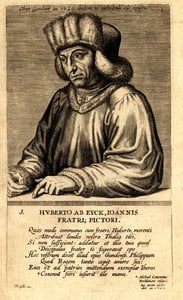
Hubert Van Eyck

Hollandi Born in Maaseik Varane nöaterlandlane Wikipedia in 20/32 languages

Hubert Van Eyck

Selle transformatsiooni keskmes seisis Hubert van Eyck, inimene, kelle nimi on etmintud Põhja-renessanssi kunstist alust. Sündinud Maasikis umbes 1385 või 1390 aastat, kuulus ta võimsasse kunstilise dynastiasse; tema peresuhted, sealhulgas tema kuulus vend Jan ning õded Lambert ja Margaret, lõid loovuse tulundava koha, mis muutas igavesti Euroopa maali ajalugu.

Key works · The 100 most famous works

6of 99

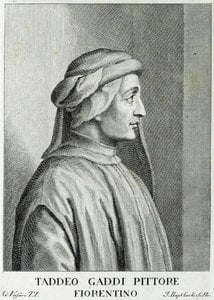
Taddeo Gaddi

Itaalia Born in Firenze Vararenessanss Wikipedia in 23/32 languages

Taddeo Gaddi

14. sajandi Florentsi vibrast ja kasvavasest atmosfäärist, ajastustest, mida isutas üleminek keskaegast varasse Renessanssi, tõuseb Taddeo Gaddi kui valgusest, narratiivist ja arhitektuurilisest grandioossusest meistar. Olles üks legendaarse Giotto di Bondone silmapaistvamaid õpilasi, ei pärandanud Gaddi lihtsalt stiili; ta laiendas oma ajastu visuaalset sõnavara. Kuigi Giotto keskendus inimkuju puhtale, skulptuursele olemusele, tõid Gaddi kaasa õrna elegantsi ja sofisteetset valguskasutust, mis võis muuta lame pinnuse jumaliku sära aknaks.

Teacher of Agnolo Gaddi #7, Jacopo Del Casentino (Jacopo Landino) #51

Key works · The 100 most famous works

7of 99

Agnolo Gaddi

Itaalia Born in Firenze Gotik, Varajane renessaans Wikipedia in 20/32 languages

Agnolo Gaddi

Agnolo Gaddi, keskkonalen luues Florensis umbes 1350. aastal, hõgut veebivastase, keerukalt olulise kohal Itaalia maalikuuhistuuril. Neitsuse kroonimine, mis asub nüüd Washington D.C.-s National Gallery of Art'is, on peamine näide – luumine kuvustus taevast kiirgusest, täidetud delikaatsed detailidega ja gratsiliste figuuridega. Giorgio Vasari tunnistas Lives of the Most Excellent Painters, Sculptors, and Architects oma olulises teoses Gaddi'de tähtsususe, kinnitades tema paika Itaalia kunstihistoorias kanonis.

Pupil of Taddeo Gaddi #6

Key works · The 100 most famous works

8of 99

Theophanes Kreeklane

ギリシャ人 Born in Konstantinoopol Bütsüntine ikonograafia Wikipedia in 22/32 languages

Theophanes Kreeklane

Sündinud Konstantinopolis umbes aastal 1340, kuigi tema hilisema tegevuse tõttu seostatakse teda sageli Kreegiga, oli Theophanes võtmeisterlik tegelane, kes ühendas bytsantslase kunnikuse lõppfaasi ja Venemaa algavad traditsioonid. Umbes aastal 1395 jõudis ta Novgorodi, võimsasse Venemaa linnriiki, koos Andrei Rublevi, kes oli üks Vene õigeusu kunsti ikooniline tegelane.

Key works · The 100 most famous works

9of 99

Paolo Veneziano

Itaalia Born in Venetsia Bütstiinia mõjutused ja gootika kunst Wikipedia in 15/32 languages

Paolo Veneziano

Paolo Veneziano (u. 1333–1358) seisab venetsia kunstiajalo monumentalse kujuna, tulles universaalselt tunnustatudks kui nelja[$14$] sajand läbi kõige olulisem veneetsia maalari. Sündides Veneetsias kunstilises seli, kus tema isa oli tuntud kunstnik, kokkutas Veneziano karjäär Euroopa maali ajastu transformatsioonipärimusega, sillutades stiililist tühimikku bysiintse hiilguse ja kasvava gootika traditsiooni vahel.

Key works · The 100 most famous works

10of 99

Lippo Memmi

Itaallane Born in Siena Rahvusvaheline gootika Wikipedia in 17/32 languages

Lippo Memmi

Lippo Memmi, sündinud umbes 1291. aastal Itaalia südames Sienas, on oluline figuur keskaegse maalikunsti bütsantsi juurtega traditsioonide üleminekufaasist rahutu elegantsi ja International Gothic stiili õitsemiseni. Kuigi teda arutatakse sageli seoses tema kuulsama väimehe ja mentori Simone Martiniga, tunnustab hiljutine teadusuuring Memmi eripärast kunstihäält ja olulist panust 14. sajandi Siena kunsti. Ansanus (1333), mis loodi koostöös Simone Martiniga Uffizi galerii jaoks.

Pupil of Simone Martini #1

Key works · The 100 most famous works

11of 99

Altichiero

Itaalia Born in Zevio Gootika kunst Wikipedia in 20/32 languages

Altichiero

Altichiero da Zevio, kes sündis Verona lähedal asuvates Zevio külas umbes 1330. aastal, ei olnud pelgalt pühade sündmuste kronikoob, vaid venetsia gootika stiili pioneer. See side, mis on tõenäoliselt süninud läbi Giotto õpilaste, nagu Taddeo Gaddi, põhjalikust õppimisest, võimaldas Altichierol täita oma teoseid sügava täidetuse, massiivsuse ja narratiivse selgusega, mis oli oma ajast revolutsiooniline.

Key works · The 100 most famous works

12of 99

Spinello Aretino

Itaalia Born in Arezzo Side Giotto'i kooli ja Sienese kooli vahel Wikipedia in 16/32 languages

Spinello Aretino

Born into a family of Florentine goldsmiths, his true name was Spinello Di Luca Spinelli, but he became known to history by the moniker "Aretino," signifying his connection to Arezzo.

Pupil of Jacopo Del Casentino (Jacopo Landino) #51 · Teacher of Lorenzo di Bicci #32

Key works · The 100 most famous works

13of 99

Bernardo Daddi

Itaalia Born in Firenze Vararenessants Wikipedia in 17/32 languages

Bernardo Daddi

Bernardo Daddi, kes sündis Florentsis umbes 1290. aastal ja suri 1348. aastal, on võtmetähtsusega tegelane hilispika gootika ja alguse sainud itaalse renessanssi ülem переходusajal. Florentsi Uffizi Galerias asub oluline 1328. aastast pärit triptüük, mis pakub lummavat vaadet tema kompositsioonioskustele ja jutustamisoskusele. Samuti märkimisväärne on Vatikaani Pinacoteca poes asuv "Püha Stefano martyrdom" — predella, mis koosneb kaheksast paneelistest, mida maalistati umbes 1av 1345.

Key works · The 100 most famous works

14of 99

Andrea Pisano

Itaalia Born in Pontecorvo Gootika

Andrea Pisano

Andrea Pisano (u. 1290 – 1348 Orvieto) seisab Itaalia renessansskulptuuri monumentalse kujuna, kuid tema kunstiline pärand on lahutumata seotud eelnevate gootika ajastuga ning on sügavalt mõjutatud Giotto di Bondone revolutsionaalsest visioinist.

Key works · The 100 most famous works

15of 99

Niccolò Di Tommaso

Itaalia Born in Firenze Varane renessanss

Niccolò Di Tommaso

Niccolò Di Tommaso on nimi, mis kõlab pehmemalt ja sügavalt neljäteistkümnendate põlise Itaalia maali kunsti annals, ning ta ilmus Florentsas umbes aastal 1346. Püdev kollaboratsioon Nardo di Cione -ga umbes aastal 1370 tõhusitas uue suuna tema kunstilisele teele. Nende ühine töö Santa Maria Novella kirikus asuvas Strozzi kapellis kujutasid esile murdiumomoodist pöndet Niccolò's kunstilises trajektooris.

Key works · The 100 most famous works

16of 99

Ni Zan

Hiina Born in Wuxi Juaajaaja neli meistrit Wikipedia in 15/32 languages

Ni Zan

Ni Zan, üks Hiina ajalooos kuulsaimad maalijad, sündis 1301. aastal Wuxis rikkasse peresse. Kuigi ta sündis juba pärast Kublai Khani surma, oli Ni Zani pere enough vahendmeid, et pakkuda talle ranget konfutseanset haridust. Ni Zanit peetakse üheks Juani dinastia neljast meistrist koos huang gongwangiga, wu zheniga ja wang mengiga.

Key works · The 100 most famous works

17of 99

Andrea Di Cione (Orcagna)

Itaalia Born in Firenze Gootika-Hingeline gootika

Andrea Di Cione (Orcagna)

Andrea Di Cione (Orcagna), ajaloo masta lühidalt kõnetav Orcagna, seisab 14. sajandi keskel Florentiini kunsti ühe mõjuvaltama figuurina — perioodil, mida iseloomustas gotiika ja hilisgotiika kunstiliste traditsioonide põnev koikumine. Umbes 1308. aastal Florencio südames sündinud kunstnik pärines perest, mis oli sügavalt juurdunud linna prestiižses käsitöökultuuris. Üks tema kõige kuulsam panus Florentiini traditsiooni on Strozzi altar, hämmastav 1354. aasta gotiika meistriteos.

Key works · The 100 most famous works

18of 99

Orcagna

Italian Born in Florence Gothic-Late Gothic Wikipedia in 20/32 languages

Orcagna

The name Orcagna—a moniker bestowed upon him by local artisans—encompasses a remarkable figure in the history of Italian art: Andrea di Cione, a painter, sculptor, architect, and master craftsman who dominated the artistic landscape of Florence during the latter half of the 14th century. He bridged the gap between the Gothic traditions inherited from his predecessors and the emerging Renaissance style, paving the way for future generations of artists.

Pupil of Andrea Pisano #14

Key works · The 100 most famous works

19of 99

Giovanni Da Milano

Itaalia Born in Lombardia Proto-Renaissance

Giovanni Da Milano

Sündinud Lombardias umbes aastal 1346 nimega Giovanni di Jacopo di Guido da Caversaccio, avanes tema kunstiline teekond peamiselt Florentsi vibrantikus kultuuriloomuses ajal, mil valitsesid suured muutused ja uuendused.

Key works · The 100 most famous works

21of 99

Wang Meng

Chinese Born in Huzhou Yuan Dynasty Landscape Painting Wikipedia in 14/32 languages

Wang Meng

Unlike the more restrained approaches of his contemporaries, Wang Meng’s paintings are characterized by an extraordinary density and dynamism. His brushstrokes—often described as “ropy” or “layered”—were meticulously applied in thick, overlapping patterns, creating a palpable sense of texture and movement. Wang Meng’s style was profoundly influenced by the landscape painters who preceded him – Wang Wei, Dong Yuan, and Juran – but he developed his own distinctive voice through his innovative use of brushwork and composition.

Key works · The 100 most famous works

23of 99

Nicolas Bataille

French Medieval Art, Religious Paintings

Nicolas Bataille

Yet, within this tradition flourished an artist of startling intensity and dramatic vision – Nicolas Bataille (c. 1330-1405). He was born around 1330 in Paris, likely as the son of an architect, a profession that may have instilled within him an appreciation for structure and design. The depiction of Babylon’s destruction reflects the prevailing fears about political instability and social decay in 14th-century France.

Key works · The 100 most famous works

24of 99

Lorenzo Veneziano

Itaalia Born in Veneetsia Bizanti kunst Wikipedia in 11/32 languages

Lorenzo Veneziano

Tahun 1336 kõlab Itaalia kunstilikes maastikutes, seoses kindlalt veenud tegelasega, kes on hülltunud kutuvate saladuste võonisse – 1336 Meister. See kunstnik, kelle nimi on täpselt määratud Giovanni Lipini, sai oma nime imeliste freskoost, kuvades Neits Lisa Santa Maria delle Grazie's Pistoias.

Key works · The 100 most famous works

25of 99

Segna Di Buonaventure

Italian Trecento

Segna Di Buonaventure

However, unlike Duccio’s often exuberant and emotionally charged compositions, Segna’s paintings possess a more restrained elegance, characterized by a sense of solemnity and a focus on formal clarity. It’s believed that Segna spent time in Florence during this period, absorbing influences from the burgeoning Florentine school, which was beginning to experiment with linear perspective and naturalistic representation. Segna's artistic journey is believed to have begun under the tutelage of his uncle, Duccio di Buoninsegna, a towering figure in Sienese painting.

Key works · The 100 most famous works

27of 99

Ugolino Di Nerio

Itaalia Born in Siena Sienese maalidustus Wikipedia in 13/32 languages

Ugolino Di Nerio

Ugolino di Nerio on nimi, mis on suurel määral puuduv peav流artikulatsioonist kunstiloost, kuid ta seisab 1320. aastatel Sienas ja Floreentsis koidnud kunstimaastikul võtmetähtsusega figuurina. Sündinud umbes 1280. aastal maalariperesse – tema isa oli Guido ning õded ja vennad Muccio ning Ugolino – ta tõusel esile iseseisva meistrina, jättides endast endasse kütkestavate teoste pärandi, mis sillutas üle kuju Italo-Byzantine traditsiooni ranguse ja Sienese maalaiekunstis sünniv lõhna loomulikkuse vaimu.

Key works · The 100 most famous works

28of 99

Taddeo di Bartolo

Italian Born in Siena Early Renaissance Wikipedia in 13/32 languages

Taddeo di Bartolo

Architectural Precision: The use of structured backgrounds to ground holy figures within a tangible, albeit idealized, reality. In works such as his Virgin and Child with Saints, one can witness the evolution of his hand—moving from the more rigid, ornamental patterns of the late Gothic style toward a more robust and naturalistic approach. The historical significance of Taddeo di Bartolo lies in his role as a custodian of Sienese identity during a period of immense change.

Key works · The 100 most famous works

29of 99

Lippo Di Benivieni

Italian Born in Florence Early Quattrocento

Lippo Di Benivieni

Despite the paucity of surviving paintings attributed to Lippo di Benivieni, his influence is palpable in several significant frescoes adorning churches throughout Siena and San Gimignano. Madonna and Child Panel Painting: A monochrome panel depicting Mary holding the infant Jesus exemplifies Lippo’s mastery of technique—particularly his ability to achieve remarkable tonal gradation using tempera on wood. Furthermore, his work serves as an exemplar of early Quattrocento painting—a transitional phase between Gothic formalism and Renaissance naturalism —demonstrating Lippo’s willingness to embrace new stylistic approaches while retaining core aesthetic principles.

Key works · The 100 most famous works

30of 99

Zhao Yuan

Chinese Landscape painting

Zhao Yuan

Like Wang Meng, Zhao Yuan embraced a dense, complex compositional structure characterized by layered mountains, gnarled trees, and meticulously rendered details. Beyond Wang Meng, echoes of earlier masters like Fan Kuan (c. 937-1020), renowned for his monumental landscapes and powerful brushwork, can also be detected in Zhao Yuan’s treatment of rock formations and atmospheric effects. His most significant debt is undoubtedly to Wang Meng (1308-1383), one of the last great masters of the Yuan dynasty.

Key works · The 100 most famous works

31of 99

Andrea Di Bartolo

Italian Born in Siena Sienese School Wikipedia in 12/32 languages

Andrea Di Bartolo

Working alongside luminaries such as Luca di Tommè, he contributed to significant communal works, including an altarpiece for the shoemaker's guild in the cathedral of Siena, marking his first documented presence in the annals of art history.

Key works · The 100 most famous works

32of 99

Lorenzo di Bicci

Italian Florentine School

Lorenzo di Bicci

This preference for light is not merely aesthetic; it reflects a deeper philosophical shift – a move towards celebrating the beauty and dignity of human life. He skillfully employed perspective, though not with the mathematically precise rigor of later Renaissance artists, creating a sense of depth and spatial awareness through subtle variations in scale and detail. He is considered a crucial link between the late Gothic style of his predecessors and the groundbreaking innovations of artists like Masaccio and Botticelli.

Key works · The 100 most famous works

33of 99

Melchior Broederlam

Belgian Born in Ypres Early Netherlandish Painting Wikipedia in 15/32 languages

Melchior Broederlam

By integrating the sculptural solidity learned from masters like Claus Sluter with the fluid grace of the International Gothic style, Broederlam helped forge a new visual vocabulary. As the favored painter to powerful patrons such as Louis de Mâle, Count of Flanders, and later the formidable Philip the Bold, Duke of Burgundy, his work became a visual manifestation of ducal prestige.

Key works · The 100 most famous works

34of 99

Bicci Di Lorenzo

Itaalia Born in Firenze Florentina kool Wikipedia in 8/32 languages

Bicci Di Lorenzo

Lorenzo di Bicci, kes sündis um 1373 Florentses, on keeruline isik arenguvate Florentsi maalikuoolika perioodil neljatehakse sajandi ja varasemalt viitese sajandil. Kuigi biograafilised andmed jäävad harvaks—tema isa identiteet on salakomis—kindlust on akadeemlik kogemus, et Lorenzo õppis Jacopo di Cione ja Andrea di Cione käest, kunstnikud, kelle stiililised uuendused mõjutasid sügavalt tema kunstlikku arengut.

Key works · The 100 most famous works

35of 99

Gherardo Starnina

Italian Born in Florence Venetian Renaissance Wikipedia in 12/32 languages

Gherardo Starnina

The enduring impact of Gherardo di Jacopo Starnina can be summarized through several key artistic contributions: Stylistic Synthesis: The seamless blending of Florentine emotional realism with Venetian decorative splendor.

Key works · The 100 most famous works

36of 99

Jean Pucelle

French Early Gothic painting

Jean Pucelle

Emerging during the turbulent and transformative reign of Philip IV, Pucelle rose from the workshops of Paris to become the preeminent manuscript illuminator of his generation.

Key works · The 100 most famous works

37of 99

Andrea Di Bonaiuto (Andrea Da Firenze)

Itaalia Born in Firenze Toskana maaling Wikipedia in 12/32 languages

Andrea Di Bonaiuto (Andrea Da Firenze)

Sündinud umbes 1308 Firenze's ja surnud около 1368, ei olnud Orcagna lihtsalt käsitsi tööaja; ta oli keeruline figure, kes ühendas stiililised liikumised Giotto's naturalismist ja Byzantsi kunsti formaalsemate traditsioonidega, muodeldes Firenze'sti maaliku sügavalt aastateks. Ta sisestas end Arte dei Medici e degli Speziali (arstide ja apteekitööliste laug) umbes 1343–44, mis oli tavaline teed kunstnike jaoks, kes otsisid professionaalset tunnustamist ja tellimuste saavutamist.

Key works · The 100 most famous works

38of 99

Guariento di Arpo

Italian Born in Piove di Sacco Early Renaissance; Venetian painting; Gothic art Wikipedia in 12/32 languages

Guariento di Arpo

Guariento di Arpo (c. 1310–1370) stands as a monumental figure of the Trecento, acting as the essential bridge between the grounded, volumetric realism of Florence and the ethereal, ornamental splendor of the Venetian Gothic tradition.

Key works · The 100 most famous works

39of 99

Giovanni Del Biondo

Italian Born in Pratovecchio Gothic & Early Renaissance Wikipedia in 10/32 languages

Giovanni Del Biondo

The true significance of Giovanni del Biondo lies in his ability to maintain a distinctive, recognizable style amidst a sea of changing influences.

Key works · The 100 most famous works

40of 99

Claus Sluter

Hollandi Born in Haarlem Põhja realism

Claus Sluter

Claus Sluter (u 1350–1406) seisab oma ajastu ühe mõjuvaima skulptori rollis, tähistades kriitilist pöördepunkt Põhja-Euroopa gootika ja renessanssi kunstipratikute vahel. Tema nime märgi Brüsseli kivilõikjate guildi register umbes aastatel 1alli 1379/1380 kinnitab tema professionaalset tegevust ja rõhutab meeleolulist käsitöö rolli keskaegses kunstikultuuris.

Key works · The 100 most famous works

42of 99

Jacopo di Cione

Italian Born in Florence Gothic Wikipedia in 7/32 languages

Jacopo di Cione

His commitment to procuring marble for the cathedral underscored his understanding of artistic grandeur and civic responsibility. Furthermore, he continued to secure patronage from influential families like the Albizzi, ensuring that Florentine art would endure as a symbol of prestige and cultural achievement. The dispersed predella depicting scenes from Saint Peter’s life – a collaborative effort with Niccolò di Pietro Gerini – remains a poignant reminder of Jacopo's artistic legacy and the enduring power of Florentine Gothic art.

Key works · The 100 most famous works

43of 99

Bartolo Di Fredi

Italian Born in Siena Sienese School Wikipedia in 13/32 languages

Bartolo Di Fredi

Bartolo di Fredi (umbik. 1330 – 26. jaanuar 1410), tuntud ka nimega Bartolo Battiloro, seisab Sienese kunstiajaloos monumentalse kujuna — maalari, kes suutsis oskuslikult ühendada hilisgootika stiilistilised konventsioonid ja alguse pöialest renessanssi ideaalid. Tema eristuv stiil — mida iseloomustavad eteeriline luminositeit, hoolikas detailikäsitlus ja ranget realismist loobumine — tõi teda esile kui olulise sümboli Simone Martinini aristokraatliku elegantsi ja Leonardo da Vinci hääbumatu humanistliku vaimu vahel.

Key works · The 100 most famous works

44of 99

Conrad von Soest

German Born in Dortmund International Gothic soft style Wikipedia in 13/32 languages

Conrad von Soest

In the twilight of the fourteenth century, a transformative artistic energy began to pulse through the prosperous Hanseatic city of Dortmund, finding its most profound expression in the hands of Conrad von Soest. Completed around 1420, this monumental triptych stands as a pinnacle of the International Gothic style.

Key works · The 100 most famous works

45of 99

Tuthmosis

Egyptian Born in Amarna Amarna art style

Tuthmosis

Tuthmosis’s mastery lay not only in capturing likeness but also in skillfully manipulating stone. He primarily worked with fine-grained limestone, a material readily available in the quarries surrounding Amarna. The Amarna period, largely due to the work of artists like Tuthmosis, marked a significant departure from traditional artistic conventions, paving the way for subsequent developments in sculpture and portraiture.

Key works · The 100 most famous works

46of 99

Giovanni da Milano

Italian Born in Valmorea Italian Gothic Wikipedia in 13/32 languages

Giovanni da Milano

In the bustling streets of Florence, where the air was thick with the scent of fresh pigment and the echoes of a changing era, a painter named Giovanni di Jacopo di Guido da Caversaccio began to make his mark. Hailing from Lombardy, he arrived in Tuscany as a man seeking his fortune, appearing in the city's records as Johannes Jacobi de Commo.

Key works · The 100 most famous works

47of 99

Master Bertram

German Born in Minden International Gothic Wikipedia in 13/32 languages

Master Bertram

It is believed that Bertram was influenced by both French and Netherlandish artistic trends prevalent during his time. Despite these influences, Bertram maintained a uniquely Northern German sensibility, imbuing his work with a sense of regional identity. While sharing similarities with other artists of the period, such as Master Francke (another prominent Hamburg painter), Bertram's work possesses a distinct character—a subtle restraint in emotional expression compared to Francke’s more overtly dramatic approach.

Key works · The 100 most famous works

48of 99

Agostino Di Giovanni

Italian Born in Siena Gothic architecture/sculpture

Agostino Di Giovanni

Giorgio Vasari, the celebrated Renaissance art historian, initially placed Agostino within the orbit of Giovanni Pisano’s workshop, suggesting a formative apprenticeship under this master sculptor. However, modern scholarship proposes a more nuanced lineage, positing that his early training likely occurred with Camaino di Crescentino, father to Tino di Camaino, another influential figure in Sienese sculpture. His exact date of death remains unknown, though records indicate he was no longer living as of June 27, 1347—a period marked by the devastating impact of the Black Death.

Key works · The 100 most famous works

49of 99

Ashikaga Yoshimitsu

Born in Kyoto

Ashikaga Yoshimitsu

He employed elaborate rituals, symbolic imagery, and monumental architecture – like Kitayama-dono – to portray himself as a universal monarch or dharma king, mirroring rulers in Southeast Asia. His posthumous name was Rokuon'in (鹿苑院), further cementing his place in Japanese history. Late in his career, Yoshimitsu increasingly sought to legitimize his power through the lens of Buddhist kingship.

Key works · The 100 most famous works

50of 99

André Beauneveu

Netherlandish Born in Valenciennes Pucellian revival

André Beauneveu

In 1386, Beaunever accepted the prestigious role of superintendent of all painting and sculpture for the Duke, a position that placed him at the heart of one of Europe's most vibrant cultural epicenters. His technical achievements are best observed in the following areas: Illuminated Manuscripts: In works such as the Psalter of Jean de Berry and his depictions of figures like King David, Beauneveu demonstrated an extraordinary ability to use light and shadow to create a sense of three-dimensional volume on parchment.

Key works · The 100 most famous works

51of 99

Jacopo Del Casentino (Jacopo Landino)

Italian Born in Florence Renaissance

Jacopo Del Casentino (Jacopo Landino)

Technical Innovation: Early mastery of light, shadow, and the illusion of volume. In the annals of Italian art, Jacopo remains a luminous figure, a painter who captured the very essence of Florentine devotion. The origins of his artistry are deeply rooted in the Florentine milieu, likely shaped by the influential circle surrounding the Master of St.

Key works · The 100 most famous works

52of 99

Musō Soseki

Jaapani Born in Aichi prefektuur Zen budism Wikipedia in 12/32 languages

Musō Soseki

Musō Soseki, Jaapani kunsti ja vaimupärandi märkimavaline tegelane, sündis aastal 1275 ning jäeti maailma 20. oktoobril 1351. Musō Soseki panus Jaapani kunsti on mitmekülgne, peegeldades nii Hiina mõjupidustusi kui ka erakordselt Jaapani traditsioone. Tema inspireeritud stiili jälgimiseks võib uurida teoseid nagu Li Yanshani "maastik Zhan Jingfengi stiilis", mis, kuigi ei ole otseselt Musō Soseki käest, peegeldab tema kunstilise lähenemise püsivat mõju.

Key works · The 100 most famous works

53of 99

Francesco Traini

Italian Born in Pisa Gothic Art Wikipedia in 11/32 languages

Francesco Traini

Orcagna's Legacy: Andrea Orcagna’s influence is undeniable in Traini’s compositional strategies and expressive dynamism. Orcagna championed the concept of “naturalis dispositio,” prioritizing spatial realism to communicate theological ideas effectively—a principle that Traini wholeheartedly embraced.

Key works · The 100 most famous works

54of 99

Vitale Da Bologna

Italian Born in Bologna International Gothic Wikipedia in 12/32 languages

Vitale Da Bologna

His legacy is found in: The Synthesis of Styles: The seamless integration of Riminese color palettes with Giottesque structural depth. As we look back upon his prolific career, Vitale remains a cornerstone of Italian art, a painter who captured the transition from the medieval soul to the Renaissance mind with unparalleled grace and spiritual power. His works, scattered across prestigious locations such as Pomposa Abbey and Udine Cathedral, serve as windows into a world where the divine and the earthly were intimately entwined.

Key works · The 100 most famous works

55of 99

Sheikh Zain Al-Din

Kurdish Born in Erbil Company Style

Sheikh Zain Al-Din

Zain al-Din’s prominence grew during a period of significant change in India, as the power of the Mughal Empire waned and British influence expanded. This era saw the emergence of what is now known as the “Company style” of painting—a hybrid aesthetic favored by British officials and collectors who sought realistic depictions of Indian life, flora, and fauna. The Ashmolean Museum in Oxford holds several examples of his work, including exquisite depictions of mountain-rats, hanging bats, parrots, and storks—each painting a miniature world unto itself.

Key works · The 100 most famous works

56of 99

Pere Serra

Spanish Gothic-Italian

Pere Serra

Born around 1357 and passing away in 1406, his life coincided with a period of significant artistic and cultural change across Europe, yet he maintained a distinctly Catalan sensibility throughout his career. The city was a vibrant hub for trade and artistic exchange, exposed to influences from Italy, France, and Flanders.

Key works · The 100 most famous works

57of 99

Azteekide Impearium

Meksikaanik Born in Tenochtitlan Mesoameriika kunst

Azteekide Impearium

Nimi "Aztek" – tüvest Nahuatl sõnast ātl-ce-tlācati–tlān, mis tähendab "palju vorme inimesi" – kutsub mõtteile hiiglaslikku, keerulist impeeriumi, mis domineeris Mesoamerikas ihedal sadade. Sünnud saades 14. sajabiku alguses Tenochtitlanis, Azteklasteemi südames, olid aztekide kunstiline traditsioon sügavalt juurdunud varasemates Mesoamerika tsivilisationede pärandates.

Key works · The 100 most famous works

59of 99

Marco Di Paolo Veneziano

Italian Byzantine-influenced art; Gothic art

Marco Di Paolo Veneziano

Born into a lineage of painters, likely the son of Martino and brother to Marco, Paolo’s very existence was woven into the fabric of Venetian artistic tradition. His formative years were steeped in the luminous, spiritual grandeur of Byzantine art, a tradition brought to the Venetian lagoons through trade and deep ecclesiastical ties to Constantinople. His ability to blend the following elements created a style that was uniquely "Venetian": Luminous Color Palettes: Drawing from the Byzantine tradition to create depth and spiritual radiance.

Key works · The 100 most famous works

62of 99

Ferrer Bassa

Catalan Born in Avinyonet del Penedès Gothic painting

Ferrer Bassa

Born around 1285 in the small town of Avinyonet del Penedès, his early life remains shrouded in some mystery, yet the documented evidence reveals a trajectory marked by both diligent craftsmanship and royal favor. His ability to synthesize diverse stylistic elements—French elegance, Sienese refinement, and Giottesque drama—resulted in a visual language that was both innovative and deeply rooted in its cultural context.

Key works · The 100 most famous works

63of 99

Tommaso Da Modena

Italian Born in Modena Late Gothic Wikipedia in 15/32 languages

Tommaso Da Modena

Tommaso Barisini, commonly known as Tommaso da Modena and sometimes referred to as Tomaso Baffini (c. 1325 – 1379), stands as one of the most prominent figures in Northern Italian painting during the mid-14th century—a period marked by burgeoning artistic innovation and profound spiritual reflection. His unwavering commitment to naturalistic representation—coupled with his masterful command of perspective—established a precedent for Renaissance artists seeking to emulate the grandeur and clarity of classical art forms.

Key works · The 100 most famous works

64of 99

Jacopo Avanzi

Italian Born in Bologna Renaissance, Proto-Renaissance

Jacopo Avanzi

D'Avanzi’s style occupies a fascinating position within the transition from Gothic art to the early Renaissance. He wasn’t alone in this pursuit; Altichiero da Zevio, with whom he frequently collaborated, shared similar artistic concerns.

Key works · The 100 most famous works

65of 99

Paolo Di Giovanni Fei

Itaalia Born in San Quirico d'Orcia Naturalism, Proto-Renaissance Wikipedia in 10/32 languages

Paolo Di Giovanni Fei

Pietro Lorenzetti, kes around 1280 sündinud ja traagiliselt 1348 aasta hävitava must lehis pandeemia ohvriks langenud, on jäänud itaalse maaliku evolutsiooni võtmetähtsusega tegelaseks. Sageli viidatakse teda nimega Pietro Laurati – see oli Vasari poolt tehtud valekontroll, mis varjas tema sugulust perekonnaga –, ning ta oli sienelainen maalari, kelle töö märkis olulist kõrvalekaldet valtdavast Biizantiumist mõjutatud stiilist ja laid fundament uusivale naturalismile, mis iseloomustas hiljem renessanssi.

Key works · The 100 most famous works

66of 99

Giottino

Italian Born in Florence Early Italian painter Wikipedia in 14/32 languages

Giottino

His output includes a variety of formats, from devotional panels to architectural elements: Frescoes: The narrative cycles in the San Silvestro chapel, Santa Croce, Florence. Sculpture and Architecture: A marble statue located on the Florentine campanile and various works attributed to his hand in the Florentine school.

Key works · The 100 most famous works

67of 99

Wu Zhen

Yuan dynasty Born in Jiashan County Wikipedia in 12/32 languages

Wu Zhen

The brush of Wu Zhen moved with a particular intent, seeking to capture the essence of the natural world through landscape paintings and the delicate forms of bamboo. He achieved a rare unity known as the Three Perfections, where the boundaries between different disciplines began to dissolve. His influence reached far beyond his own lifetime, as he was recognized as one of the Four Yuan Masters, alongside Huang Gongwang, Ni Zan, and Wang Meng.

Key works · The 100 most famous works

68of 99

Jacopo del Casentino

Florentine Born in Florence Later Gothic Wikipedia in 10/32 languages

Jacopo del Casentino

His later Gothic style reflects this integration of Sienese elements. The tension between these traditions defines his artistic output: The foundational weight of Giotto’s legacy.

Pupil of Taddeo Gaddi #6 · Teacher of Spinello Aretino #12

Key works · The 100 most famous works

69of 99

Giusto De' Menabuoi

Italian Born in Florence Early Renaissance Wikipedia in 12/32 languages

Giusto De' Menabuoi

Menabuoi’s distinctive style transcends simple categorization, reflecting a complex interplay between Byzantine iconography and Florentine Proto-Renaissance aesthetics. Unlike many of his contemporaries who embraced the burgeoning realism championed by artists like Altichiero and Jacopo d'Avanzi, Menabuoi prioritized conveying spiritual emotion over meticulous anatomical accuracy—a hallmark of Giotto’s artistic vision. Giotto's Legacy: As a student of Giotto, Menabuoi absorbed Giotto’s expressive technique—characterized by elongated figures and emotionally charged gestures—establishing a crucial link between Florentine artistic tradition and Byzantine influences.

Key works · The 100 most famous works

70of 99

Jacquemart de Hesdin

French Born in Hesdin International Gothic Wikipedia in 13/32 languages

Jacquemart de Hesdin

Grandes Heures: Another important illuminated manuscript commissioned by the Duke of Berry. Petites Heures: A smaller-scale book of hours, also demonstrating Jacquemart’s skill in illumination. Historical Significance: Jacquemart de Hesdin played a vital role in the artistic renewal during the late 14th and early 15th centuries.

Key works · The 100 most famous works

71of 99

Matteo Giovanetti

Italian Born in Viterbo Early Italian Renaissance

Matteo Giovanetti

In the heart of fourteenth-century Italy, amidst the spiritual awakening of the early Renaissance, the name Matteo Giovanetti emerged as a beacon of devotional mastery. His life’s work serves as a vital bridge between the rigid, symbolic traditions of the Gothic period and the burgeoning naturalism that would soon define the Italian Renaissance.

Key works · The 100 most famous works

74of 99

Bartolommeo Bulgarini

Italian Born in Siena Sienese school

Bartolommeo Bulgarini

He possessed a rare, intuitive grasp of how to marry the ancient, ethereal majesty of Byzantine iconography with the burgeoning humanism and spatial curiosity emerging from Florence. This stylistic evolution is perhaps most evident in his ability to balance: The Byzantine influence, which provided the sacred, unmoving grandeur of the divine. Whether through the intimate grace of his Madonna and Child compositions or the solemnity of his depictions of saints, Bulgarini’s work captures the spiritual heartbeat of an era.

Key works · The 100 most famous works

75of 99

Gikō Tettō

Japanese Born in Hara Zen painting

Gikō Tettō

Hsieh Ho’s approach to capturing atmospheric effects through subtle shifts in hue and tone resonated deeply with Tettō's own desire to convey emotion and spiritual depth within his works. His compositions frequently featured sweeping vistas and dynamic brushstrokes, reflecting both the natural world and the internal landscapes of Zen meditation. His bold use of color and expressive brushwork served as an inspiration for subsequent generations of artists, including those who followed in the footsteps of the Ōtōkan school.

Key works · The 100 most famous works

76of 99

Barnaba Da Modena

Italian Born in Modena Byzantine-influenced Lombard Painting Wikipedia in 12/32 languages

Barnaba Da Modena

Born around 1328 in Modena (Emilia), he emerged from obscurity to become arguably the first Lombard painter of considerable renown, leaving behind an impressive oeuvre that testifies to his unwavering devotion to this venerable artistic heritage. His activity spanned Lombardy, Piedmont, and Pisa in Tuscany, establishing him as a pivotal artist within the burgeoning cultural dynamism of the era.

Key works · The 100 most famous works

77of 99

Peter Parler

German-Bohemian Born in Schwaebisch Guemund Late Gothic

Peter Parler

In the heart of the Late Middle Ages, a period defined by soaring spires and profound devotion, Peter Parler emerged as one of the most influential architects and sculptors of his era. Known variously as Peter von Gemünd or Petr Parléř, his identity was inextricably linked to the Parler family, a lineage of craftsmen whose influence stretched across much of Central Europe.

Key works · The 100 most famous works

78of 99

Bonanat Descoll I De Santcliment

Itaalia Born in Barcelona Varane renessanss

Bonanat Descoll I De Santcliment

Bonanat Descoll I De Santcliment oli 14. sajandil Aragonia krooni katalaanide almirall. Ta sündis Hispaanias, Barcelona linnas aastal 1310 ning tema elu lõppes aastal 1390. Bonanat Descoll I De Santcliment ei olnud pelgalt oskuslik militäärjuht, vaid ka erakordne kunstnik.

Key works · The 100 most famous works

79of 99

Yuan Dynasty

Chinese Born in Beijing Landscape Art

Yuan Dynasty

Understanding Yuan art requires delving into its complex context: the ambition of Kublai Khan to unite Eurasia under Mongol rule, coupled with a burgeoning intellectual elite eager to embrace new ideas and traditions. He actively supported artists like Wang Meng and Zhao Yuan, commissioning monumental landscapes and intricate calligraphy scrolls that celebrated imperial grandeur and Confucian ideals. The Yuan Dynasty (1271–1368), established by Kublai Khan, represents a singular moment in Chinese history – the first time a foreign power successfully ruled over all of China.

Key works · The 100 most famous works

81of 99

Domenico Di Agostino

Italian Born in Siena Gothic Art

Domenico Di Agostino

The Virgin of the Annunciation, found in various iterations across several museums, exemplifies his mature style. The composition typically depicts the Angel Gabriel kneeling before Mary, delivering the news of Christ’s birth. Yet, unlike Simone’s increasingly internationalized aesthetic, Domenico remained firmly rooted in the Sienese tradition.

Key works · The 100 most famous works

82of 99

Agnolo Di Ventura

Italian Gothic Art Italy

Agnolo Di Ventura

Siena’s artistic climate was characterized by a distinctive emphasis on grace, refined detail, and narrative clarity – qualities that would become hallmarks of Agnolo’s own work. The influence of Nicola Pisano and his son Giovanni, prominent sculptors active in Pisa and Florence, cannot be discounted, as their innovations in depicting classical forms and emotional expression were widely admired throughout Tuscany. He frequently collaborated with painters, as seen in the Monument to Tarlati, highlighting the interconnectedness of artistic disciplines during the 14th century.

Key works · The 100 most famous works

84of 99

Francesco Di Petracco

Italian Born in Arezzo Humanist poetry

Francesco Di Petracco

Born in Arezzo, Italy, in 1304 as Francesco Patriarca – later adopting the name Francesco Petrarca – this artist was more than just a painter; he was a pivotal figure in the burgeoning Italian Renaissance. His family, prominent Florentine notaries, faced exile due to the turbulent power struggles between the White and Black Guelphs. Furthermore, Petracco's connection to the exiled poet Dante Alighieri – both sharing political exile from Florence – undoubtedly shaped his artistic outlook.

Key works · The 100 most famous works

85of 99

Giovanni d'Agostino

Born in Siena

Giovanni d'Agostino

A significant partnership was formed with Agnolo di Ventura, culminating in their joint execution of the cenotaph of Guido Tarlati in the Cathedral of Arezzo (signed and dated 1330). Vasari also mentions collaborations on commissions from the commune of Siena, including the Porta Romana and the iconic Torre del Mangia.

Key works · The 100 most famous works

88of 99

Giovanni Di Chellino Boccaccio

Italian Born in Certaldo Humanism precursor

Giovanni Di Chellino Boccaccio

Born amidst the rolling landscapes of Certaldo in 1313, Giovanni Boccaccio emerged as a vital force in the cultural landscape of the fourteenth century. As one of the legendary "Three Crowns" of Italian literature—standing alongside the giants Dante Alighieri and Petrarch—his life served as a bridge between the medieval world and the dawning light of the Renaissance.

Key works · The 100 most famous works

89of 99

Emperor Kōgon

Japanese Buddhist Art

Emperor Kōgon

While the Nanboku-chō period was defined by conflict between rival courts, Kōgon’s focus on Buddhist art provided a sense of cultural continuity and spiritual stability. He successfully utilized the medium of painting to assert a form of authority that was not dependent on military might, but on moral and religious prestige. Emperor Kōgon (1313–1364) was not merely a sovereign navigating a period of profound instability; he was a visionary patron whose devotion to Buddhist iconography helped reshape the aesthetic soul of Northern Japan.

Key works · The 100 most famous works

90of 99

Jakushitsu Genkō

Japanese Born in Tokyo Rinzai Zen

Jakushitsu Genkō

Early Life & Artistic Formation: Little biographical detail survives concerning Genkō’s formative years; he emerged from obscurity as a student of Zen at Nara Temple, establishing a foundation for his lifelong devotion to the Dharma.

Key works · The 100 most famous works

93of 99

Nardo di Cione

Italian Born in Florence Renaissance Painting Wikipedia in 10/32 languages

Nardo di Cione

The significance of Nardo di Cione lies in his ability to bridge the gap between the rigid traditions of the medieval period and the burgeoning humanism of the Renaissance. To study Nardo is to witness the evolution of the Florentine spirit: Technical Versatility: The seamless integration of sculptural depth with painterly fluidity. His early training under Maestro Piero Bargellini, a distinguished sculptor and painter, provided him with a unique dual perspective.

Key works · The 100 most famous works

95of 99

Serafino Serafini

Italian Born in Modena Giottesque & Bolognese

Serafino Serafini

One of his most celebrated achievements, the Coronation of the Virgin, bears a proud inscription dating the work to March 1385, serving as a permanent testament to his hand. Beyond the cathedral walls, Serafini’s influence extended into other significant religious sites, such as the Church of San Francesco in Mantua. In the twilight of the fourteenth century, amidst the architectural grandeur of Northern Italy, the name Serafino Serafini emerged as a vital, if enigmatic, force in the evolution of late medieval painting.

Key works · The 100 most famous works

97of 99

Antonio Baboccio Da Piperno

Italian Born in Pietrantonella Late Medieval Art

Antonio Baboccio Da Piperno

Beyond the physical permanence of his marble reliefs, Antonio Baboccio da Piperno’s true significance lies in the lineage of talent he helped cultivate. In the twilight of the Middle Ages, as the rigid structures of the Gothic era began to soften under the burgeoning light of the Renaissance, there emerged a master whose hands shaped the very identity of Neapolitan grandeur.

Key works · The 100 most famous works

98of 99

Zekkai Chūshin

Italian Born in Tosa Byzantine art

Zekkai Chūshin

He was deeply influenced by Giotto di Bondone, whose revolutionary approach to depicting human emotion and space began to permeate the region. Giotto's innovations—a move away from the stylized, flattened forms of Byzantine art towards greater naturalism and psychological depth —were skillfully absorbed and adapted by his Pistoian disciple. While his name—a label bestowed upon him due to a fresco depicting the miracle of the Virgin Mary in Santa Maria delle Grazie, Pistoia—offers little insight into his personal identity, his paintings speak volumes about the artistic currents shaping Tuscany at the time.

Key works · The 100 most famous works

The paintings behind the names

Famous Late Medieval works and the artists who made them

  1. Maestà (Madonna with Angels and Saints) teos, autor Simone Martini

    Maestà (Madonna with Angels and Saints)

    Simone Martini

    1315 · Palazzo Pubblico, Siena

  2. Holy Trinity teos, autor Andrei Rubljov

    Holy Trinity

    Andrei Rubljov

    1411 · Tretyakovi kunstgalerii, Moskva

  3. Bad Government and the Effects of Bad Government on the City Life teos, autor Ambrogio Lorenzetti

    Bad Government and the Effects of Bad Government on the City Life

    Ambrogio Lorenzetti

    1338 · Palazzo Pubblico, Siena

  4. Madonna Enthroned with Angels teos, autor Pietro Lorenzetti

    Madonna Enthroned with Angels

    Pietro Lorenzetti

    1340 · Galleria degli Uffizi, Firenze

  5. Ghenti Altarjoonis - Vasem ja Oikitsatud Uksepaneelid teos, autor Hubert Van Eyck

    Ghenti Altarjoonis - Vasem ja Oikitsatud Uksepaneelid

    Hubert Van Eyck

    1432

  6. Nativity teos, autor Taddeo Gaddi

    Nativity

    Taddeo Gaddi

    1325 · Fundación Colección Thyssen-Bornemisza, Barcelona

  7. The Last Supper teos, autor Agnolo Gaddi

    The Last Supper

    Agnolo Gaddi

    1395 · Lindenau-Museum, Altengau

  8. Our Lady of the Don teos, autor Theophanes Kreeklane

    Our Lady of the Don

    Theophanes Kreeklane

    1382 · Tretyakovi kunstgalerii, Moskva

Through time

A Late Medieval timeline in masterpieces

  1. 1315
  2. 1324
  3. 1333
  4. 1334
  5. 1340
  6. 1350
  7. 1354
  8. 1370
  9. 1371
  10. 1390
  11. 1394
  12. 1395
  13. 1400
  14. 1408

In figures

By the numbers

Sünnemaa
Italy35
Itaalia14
Japan9
Italia6
China4
Spain3
France3
Germany3
Sünniaasta kümnend
1270s4
1280s9
1290s11
1300s9
1310s8
1320s12
1330s13
1340s9
1350s15
1360s9
Muuseumid, kus asuvad nende peateosed
Metropolitan Museum of Art16
Harvard Art Museums6
Gemäldegalerie6
Galleria degli Uffizi5
National Gallery of Art4
National Gallery4
Yale University Art Gallery4
Cleveland Museum of Art4

All of them, in order

List of the 99 famous Late Medieval artistid

  1. 1Simone MartiniSimone MartiniItaalia · 1284–1344
  2. 2Andrei RubljovAndrei RubljovVenemaalane · 1360–1430
  3. 3Ambrogio LorenzettiAmbrogio LorenzettiItaalia · 1290–1348
  4. 4Pietro LorenzettiPietro LorenzettiItaalia · 1280–1348
  5. 5Hubert Van EyckHubert Van EyckHollandi · 1366–1426
  6. 6Taddeo GaddiTaddeo GaddiItaalia · 1300–1366
  7. 7Agnolo GaddiAgnolo GaddiItaalia · 1350–1396
  8. 8Theophanes KreeklaneTheophanes Kreeklaneギリシャ人 · 1335–1410
  9. 9Paolo VenezianoPaolo VenezianoItaalia · 1333–1358
  10. 10Lippo MemmiLippo MemmiItaallane · 1291–1356
  11. 11AltichieroAltichieroItaalia · 1330–1390
  12. 12Spinello AretinoSpinello AretinoItaalia · 1350–1410
  13. 13Bernardo DaddiBernardo DaddiItaalia · 1290–1348
  14. 14Andrea PisanoAndrea PisanoItaalia · 1290–1348
  15. 15Niccolò Di TommasoNiccolò Di TommasoItaalia · 1346–1376
  16. 16Ni ZanNi ZanHiina · 1301–1374
  17. 17Andrea Di Cione (Orcagna)Andrea Di Cione (Orcagna)Itaalia · 1308–1368
  18. 18OrcagnaOrcagnaItalian · 1315–1368
  19. 19Giovanni Da MilanoGiovanni Da MilanoItaalia · 1346–1369
  20. 20Barna Da SienaBarna Da SienaItalian · 1330–1380
  21. 21Wang MengWang MengChinese · 1308–1385
  22. 22Cresques AbrahamCresques AbrahamSpanish · 1325–1387
  23. 23Nicolas BatailleNicolas BatailleFrench · 1330–1405
  24. 24Lorenzo VenezianoLorenzo VenezianoItaalia · 1336–1379
  25. 25Segna Di BuonaventureSegna Di BuonaventureItalian · 1298–1326
  26. 26Cennino CenniniCennino CenniniItalian · 1360–1440
  27. 27Ugolino Di NerioUgolino Di NerioItaalia · 1280–1330
  28. 28Taddeo di BartoloTaddeo di BartoloItalian · 1362–1422
  29. 29Lippo Di BenivieniLippo Di BenivieniItalian · 1296–1327
  30. 30Zhao YuanZhao YuanChinese · sündinud 1350
  31. 31Andrea Di BartoloAndrea Di BartoloItalian · 1360–1428
  32. 32Lorenzo di BicciLorenzo di BicciItalian · 1350–1427
  33. 33Melchior BroederlamMelchior BroederlamBelgian · 1355–1410
  34. 34Bicci Di LorenzoBicci Di LorenzoItaalia · 1350–1427
  35. 35Gherardo StarninaGherardo StarninaItalian · 1354–1413
  36. 36Jean PucelleJean PucelleFrench · 1300–1334
  37. 37Andrea Di Bonaiuto (Andrea Da Firenze)Andrea Di Bonaiuto (Andrea Da Firenze)Itaalia · 1343–1379
  38. 38Guariento di ArpoGuariento di ArpoItalian · 1310–1370
  39. 39Giovanni Del BiondoGiovanni Del BiondoItalian · 1356–1399
  40. 40Claus SluterClaus SluterHollandi · 1355–1406
  41. 41Kokan ShirenKokan ShirenJapanese · 1278–1346
  42. 42Jacopo di CioneJacopo di CioneItalian · 1325–1399
  43. 43Bartolo Di FrediBartolo Di FrediItalian · 1330–1410
  44. 44Conrad von SoestConrad von SoestGerman · 1360–1423
  45. 45TuthmosisTuthmosisEgyptian · 1340–1300
  46. 46Giovanni da MilanoGiovanni da MilanoItalian · 1325–1370
  47. 47Master BertramMaster BertramGerman · 1345–1415
  48. 48Agostino Di GiovanniAgostino Di GiovanniItalian · 1285–1347
  49. 49Ashikaga YoshimitsuAshikaga Yoshimitsu1358–1408
  50. 50André BeauneveuAndré BeauneveuNetherlandish · 1335–1403
  51. 51Jacopo Del Casentino (Jacopo Landino)Jacopo Del Casentino (Jacopo Landino)Italian · 1330–1380
  52. 52Musō SosekiMusō SosekiJaapani · 1275–1351
  53. 53Francesco TrainiFrancesco TrainiItalian · 1321–1365
  54. 54Vitale Da BolognaVitale Da BolognaItalian · 1289–1359
  55. 55Sheikh Zain Al-DinSheikh Zain Al-DinKurdish · sündinud 1325
  56. 56Pere SerraPere SerraSpanish · 1357–1406
  57. 57Azteekide ImpeariumAzteekide ImpeariumMeksikaanik · 1300–1521
  58. 58Liaoan QingyuLiaoan QingyuChinese · 1288–1363
  59. 59Marco Di Paolo VenezianoMarco Di Paolo VenezianoItalian · sündinud 1362
  60. 60Matteo Di Ser CambioMatteo Di Ser CambioItalian · 1351–1424
  61. 61Zhu DiZhu Di1360–1424
  62. 62Ferrer BassaFerrer BassaCatalan · 1285–1348
  63. 63Tommaso Da ModenaTommaso Da ModenaItalian · 1326–1379
  64. 64Jacopo AvanziJacopo AvanziItalian · 1350–1416
  65. 65Paolo Di Giovanni FeiPaolo Di Giovanni FeiItaalia · 1345–1411
  66. 66GiottinoGiottinoItalian · 1324–1372
  67. 67Wu ZhenWu ZhenYuan dynasty · 1280–1354
  68. 68Jacopo del CasentinoJacopo del CasentinoFlorentine · 1297–1358
  69. 69Giusto De' MenabuoiGiusto De' MenabuoiItalian · 1330–1393
  70. 70Jacquemart de HesdinJacquemart de HesdinFrench · 1350–1410
  71. 71Matteo GiovanettiMatteo GiovanettiItalian · 1322–1368
  72. 72Reisai GukyokuReisai GukyokuJapanese · 1363–1452
  73. 73Qingzhuo Zhengcheng, Ch'Ing-Cho Cheng-Ch'EngQingzhuo Zhengcheng, Ch'Ing-Cho Cheng-Ch'EngChinese · 1274–1339
  74. 74Bartolommeo BulgariniBartolommeo BulgariniItalian · 1305–1378
  75. 75Gikō TettōGikō TettōJapanese · 1295–1369
  76. 76Barnaba Da ModenaBarnaba Da ModenaItalian · 1328–1386
  77. 77Peter ParlerPeter ParlerGerman-Bohemian · 1330–1399
  78. 78Bonanat Descoll I De SantclimentBonanat Descoll I De SantclimentItaalia · 1310–1390
  79. 79Yuan DynastyYuan DynastyChinese · 1271–1368
  80. 80Giovanni Di RiginoGiovanni Di RiginoItalian · sündinud 1315
  81. 81Domenico Di AgostinoDomenico Di AgostinoItalian · 1317–1366
  82. 82Agnolo Di VenturaAgnolo Di VenturaItalian · 1290–1349
  83. 83Giovanni Da CampioneGiovanni Da CampioneItalian · 1320–1375
  84. 84Francesco Di PetraccoFrancesco Di PetraccoItalian · 1304–1374
  85. 85Giovanni d'AgostinoGiovanni d'Agostino1285–1347
  86. 86Sesson YūbaiSesson YūbaiJapanese · 1290–1347
  87. 87Sultan Al-Malik Al-Zahir Abu Sa’Id BarquqSultan Al-Malik Al-Zahir Abu Sa’Id BarquqEgyptian · 1339–1399
  88. 88Giovanni Di Chellino BoccaccioGiovanni Di Chellino BoccaccioItalian · 1313–1375
  89. 89Emperor KōgonEmperor KōgonJapanese · 1313–1364
  90. 90Jakushitsu GenkōJakushitsu GenkōJapanese · 1290–1367
  91. 91Bernat Saulet I El Taller De Sant Joan De Les AbadessesBernat Saulet I El Taller De Sant Joan De Les AbadessesItalian · 1341–1342
  92. 92Mother JulianMother JulianEnglish · sündinud 1343
  93. 93Nardo di CioneNardo di CioneItalian · 1320–1366
  94. 94TutankhamenTutankhamenEgyptian · 1345–1327
  95. 95Serafino SerafiniSerafino SerafiniItalian · 1324–1393
  96. 96Filippo CalendarioFilippo CalendarioItalian · 1315–1355
  97. 97Antonio Baboccio Da PipernoAntonio Baboccio Da PipernoItalian · 1351–1435
  98. 98Zekkai ChūshinZekkai ChūshinItalian · 1336–1405
  99. 99Ryūshū ShūtakuRyūshū ShūtakuJapanese · 1307–1388

Your questions, answered

Frequently asked questions

Keep reading

Further reading on WahooArt.com

Other movements

Famous artists of other movements

Other periods

Famous artists of other periods

More rankings

Explore more