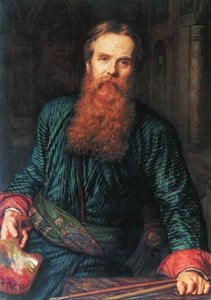
Elu ja varajased aastad: Visiooni algus
William Holman Hunt, sündinud 2. aprillil 1827 Londonis Cheapsides, ei olnud pelgalt maalikunstnik; ta oli filosoofiline ja vaimne otsija, kes tõlkis sügavimad veendumused lõuendile. Tema varajane elu, juurdunud isa laoettevõtte elavas kaubandusmaailmas, sisaldas kunstikalduvust, mis lõpuks trotsis ootusi. Esialgu määratud karjääriga, mis peegeldas tema isa tegevust, leidis Hunt lohutust ja eesmärki kunstist, alates salajastest visanditest ja hiljem, pärast mõningast võitlust, formaalsest õppimisest Royal Academy Schoolsis. See periood praktikana osutus piiravaks. Ta janunes kunstilise väljenduse järele, mis ületas valitsevaid akadeemilisi konventsioone – soov, mis tõukaks ta peagi revolutsiooniliste muutuste suunas. Ta tundis end lämmatuna kaasaegse kunsti kunstlikkuses ja otsis tagasipöördumist pre-renessanssi meistrite siirusele ja detailirohkusele, tunne, mis oli oluline Pre-Raphaeli vennaskonna moodustumisel. Hunti teekond ei olnud pelgalt esteetiline; see oli tõe, moraali ja vaimse resonantsi otsing visuaalses esituses.
Revolutsioonilise Vennaskonna Sünd
1848. aastal asutasid Hunt koos Dante Gabriel Rossetti ja John Everett Millais Pre-Raphaeli vennaskonna (PRB). See kollektiiv ei olnud pelgalt kunstiliikumine; see oli mäss Rahvaeli vastu, keda nad nägid kunsti langusena. PRB propageeris täpset detaili, elavaid värve ja siirast teemat, mis on iseloomulik varajase Itaalia maalikunstile – enne seda, kui tajutud kõrerenessansi ideaalide kunstlikkus haaras võimule. Hunt pühendumine sellele filosoofiale jäi tema karjääri jooksul muutumatuks. Varased teosed nagu 1851. aastal maalitud
Hireling Shepherd näitavad seda pühendumust. Maali peen detailirohkus – alates lambavilla tekstuurist kuni iga üksiku rohuõiega – oli revolutsiooniline oma ajastul. See ei olnud pelgalt maaelu kujutus; see oli katse edasi anda moraalseid ja sümboolseid tähendusi looduse täpse vaatluse kaudu.
The Awakening Conscience, samal perioodil, kinnitas Hunti mainet intensiivselt naturalistlike stseenide poolest, mis on täis psühholoogilist sügavust ja moraali. Need maalid ei olnud pelgalt visuaalselt silmapaistvad; need olid avaldused kunstniku uskumuses kunsti tõe ja vaimse ärkamise vahendina. Vennaskond püüdis väljakutseda kehtivaid kunstilisi tootmisnorme, lükates tagasi seda, mida nad tajusid vormelise akadeemilise maalikunstina, soosides otsesemat ja ausamat seotust ümbritseva maailmaga.
Usu palverännak ja sümboolne sügavus
Hunti kunstiline teekond võttis 1850ndatel ja 60ndatel aastatel erakordse pöörde tema reisidega Pühale Maale. Ajaloolise ja topograafilise täpsuse saavutamise sooviga asus ta palverännakule Palestiinasse ja Süüriasse, dokumenteerides hoolikalt maastikke, kostüüme ja kombeid. See pühendumine autentsusele mõjutas sügavalt tema hilisemaid teoseid, andes neile võrreldamatu realistlikkuse ja vaimse resonantsi tunde.
The Shadow of Death, maalitud sel perioodil, on võimas näide. Maal kujutab Kristuse ohverdamise stseeni viisil, mis oli nii visuaalselt haarav kui ka sügavalt sümboolne, peegeldades Hunti sügavaid religioosseid veendumusi. Võib-olla tema ikoonilisem töö,
The Light of the World, alustati 1851. aastal ja lõpetati 1853. aastal, kehastab seda usu ja kunstilise oskuse sünteesi. Pilt Kristusest, kes koputab uksele, pakkudes päästmist neile, kes avavad oma südamed, sai tohutu populaarseks ja on tänini üks tuntumaid religioosseid maale viktoriaanlikul ajastul. Hunti pühendumine ulatus kaugemale pelgalt esitusest; ta püüdis imbuda oma töödesse sümbolilisi tähendusi, ammutades piiblitekstidest, keskaja allegooriatest ja kaasaegsetest sotsiaalkommentaaridest. Ta uskus, et kunstil on moraalne eesmärk – tõsta üles, inspireerida ja juhtida vaatajaid vaimse valgustuse poole.
Püsiv pärand ja hilisemad aastad
Vaatamata nägemisprobleemidele oma hilisematel aastatel – laastav löök maalikunstnikule, kes oli nii pühendunud detailile – Hunt jätkas kunsti loomist, tuginedes sageli oma assistendi Edward Robert Hughesi abile. Ta avaldas 1905. aastal oma autobiograafia, pakkudes väärtuslikku ülevaadet oma kunstifilosoofiast ja isiklikust elust. Tema pühendumust tunnustati sama aasta lõpus King Edward VII poolt teeneteorduga. Hunti isiklik elu oli täis nii rõõmu kui ka kurbust; ta abiellus kaks korda, esmalt Fanny Waughiga, kes teenis mudelina mitmele tema tööle, ja hiljem tema õe Edithiga, pärast keeruliste juriidiliste probleemide lahendamist seoses Briti seadustega abielu surnud naise õdedega. Ta suri 7. septembril 1910. aastal ning teda austati matmisega St Pauli katedraalis – tunnistus tema olulisest panusest Briti kunsti ja kultuurile. William Holman Hunti pärand ulatub kaugemale tema maalide ilu piiridest. Ta revolutsioneeris viktoriaanlikku kunsti, propageerides realism, sümbolismi ja vaimset sügavust, jättes kustumatu jälje põlvkondadele kunstnikke ja vaatajaid. Tema teosed jätkavad aukartust ja mõtisklust äratades, meenutades kunsti võimet valgustada inimlikku olukorda ja uurida usu müsteeriumeid.
Põhimõjud & Teemad
- Mõjud: John Ruski kirjutised kunstist ja moraalist; Varajase Itaalia renessansi maalikunst (pre-Raphael); Piiblitekstid ja keskaja allegooriad.
- Peamised teemad: Religioosne usk, moraalne ärkamine, looduse ilu, sotsiaalkommentaar, sümbolism. Hunt uuris järjekindlalt lunastuse, ohverdamise ja vaimse tõe otsingute teemasid oma töös.
- Peamised kuupäevad: 2. aprill 1827: Sündinud Londonis Cheapsides; 1851-1853: Maalitud The Light of the World; 7. september 1910: Suri ja maetud St Pauli katedraali, Londonis.



 Vaata sisu
 Lülita trükkitoodetele
 Jaga teost
 Jaga
Jaga
 Detailid
 Juhend

 Laadi alla
 Sarnased teosed
 Röntgenuuring
 Slaidietendus
 Statistika


 Loe lähemalt