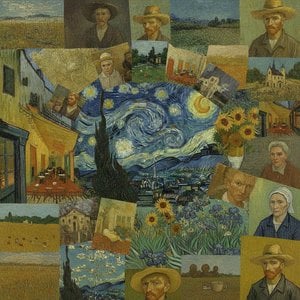
Vincenzo van Goghi: Hingestatud Pintsliga Maailma
Vincent Willem van Gogh, kelle nimega on seostatud elav värv ja raamatuemotsioonid, jääb üheks kõige tuntuma ja armastatuma kunstniku hulka kogu kunstiajaloo vältel. Sündinud 30. märtsil 1853 Zundertis, Hollandis, tema teekond segase noormehelt, kes otsis eesmärki, kuni kunstilise visionäärini on süngene lugu pühendumisest, võitlustest ja lõpuks kestvast pärandist. Kuigi ta saavutas oma elus vähe kaubanduslikku edu – müües vaid ühe maaliprojekti, *Punase Viinapuu*, enne surma – Van Goghi mõju nüüdisaegsele kunstile on mõõdetamatu, avades tee Ekspressionismile ja mõjutades lugematuid kunstnikke, kes järgnesid. Tema loo ei ole ainult pintslilöökide ja lõuaside jutt; see on tõestus inimliku väljenduse jõust vastupidiselt.
Varased aastad ja kunstiline ärkamine
Van Goghi varajane elu oli märgitud mitmete täitmata püüete poolt. Ta proovis oma kätt erinevates ametites – kunstikaupmehena, õpetajana ja isegi misjonärina – enne kui pühendus lõpuks maalimisega 27 aasta vanuselt. Need varasemad kogemused kujundasid sügavalt tema maailmavaadet ja leidsid peegeldust tema kunstis. Tema esialgsed tööd, mis kujutasid talupojaloomi maalilises Belgias, kajastasid sügavat sümpathiat tööklassiga ja sumedat värvipaletti, mis peegeldas nende raskusi. Jean-François Milleti kunstnike mõjul püüdis Van Gogh jäädvustada nende inimeste väärikust ja vastupidavust läbi jõulise realismiga. Kuid tema kolimine Pariisi 1886 aastal osutus muutvaks. Seal kohtus ta Impressionismi ja Postimpressionismiga, omandades meistrite nagu Monet, Renoir ja Pissarro tehnikad. See avardas tema kunstilist silmaringi, viies teda katsetama eredamate värvide ja lõdvema pintsliköögiga, säilitades samal ajal ereda emotsionaalse intensiivsuse, mida paljud tema kaasaegsed ei tundnud. Tema vend Theo, kunstikaupmees, mängis olulist rolli sel perioodil, pakkudes finantslikku toetust ja olles elav side Pariisi kunstimaailmaga. Nende ulatuslik kirjavahetus pakub väärtuslikke nägemusi Van Goghi kunstilise arengu ja isiklike võitluste kohta.
Lõuna Valgus ja Eksplosiivne Loovus
Püüdledes elavama maastiku järele ja uuenemise tunnet, kolis Van Gogh 1888 aastal Arlessi, Prantsuse lõunaosas. See kolimine märgistati intensiivse loova perioodiga, mida iseloomustab värvide plahvatamine ja eriline impasto tehnika – värvi kandmine paksult lõuasile, luues tekstuurse pinnaga, mis näib energiast pulbitsev olevat. Just siin ta lõi mõned oma ikoonilisemad tööd: *Päevalilled*, *Öökojas*, ja *Tähesinine*. Provence'i intensiivne päikesevalgus paistis sütendavat tema kujutlusvõimet, viies teda kujutama maastikke ja stille eluga enneolematu värviküllusega. Tema soov kunstilise koostöö järele viis ta kutsuma Paul Gauguinit liituma temaga Arlessis, lootes luua utoopilist kunstikolooniat. Kuid nende suhe osutus ägedaks, kulmineerudes dramaatilise konfliktiga, mille tagajärjel Van Gogh vigastas oma kõrva. See sündmus rõhutas tema vaimuolu haprust ja märgistas perioodi institutsionaliseerumise ja suureneva psühholoogilise ahastuse algust.
Hilisemad aastad ja kestev pärand
Pärast kokkuhingamist astus Van Gogh vabatahtlikult asüliumi Saint-Rémy's, kus ta jätkas maalimist produktiivselt, jäädvustades ümbritsevaid maastikke nii ilu kui ka rahutusega. Töödega nagu *Tähesinine*, mis valmis sel ajal, on sisendatud kosmose imestuse ja sügava emotsionaalse sügavuse tunne. Hiljem kolis ta Auvers-sur-Oise'i dr Paul Gacheti hooldusele, kuid tema võitlused jätkusid. 29. juulil 1890, 37 aasta vanuselt, suri Van Gogh traagiliselt enesele põhjustatud tulirelvahaavast. Vaatamata vähesele tunnustusele oma eluaegadel, hakkas tema töö saama posthumous kiitust suuresti tänu tema õemehele Johanna van Gogh-Bongerile, kes pärandas tema vara ja pühendus oma kunsti edendamisele. Täna tähistatakse Van Goghi maaliprojekte kogu maailmas emotsionaalse intensiivsuse, innovaatiliste tehnikate ja kestva ilu poolest. Tema pärand ulatub kaugemale lõuast; ta on saanud kunstilise kirge sümboli, vastupidiselt silmapilgu vastu pidamise ja kunsti jõu sümboli väljendada sügavamaid inimtundeid.
Peamised mõjud ja kunstiline areng
- Varajane realism: Jean-François Milleti taluloomingute kujutamine mõjutas Van Goghi varasemaid töid.
- Impressionism & Postimpressionism: Kokkupuude Moneti, Renoir' ja Pissarroga Pariisis laiendas tema värvi- ja tehnikapaletti.
- Jaapani trükised: Van Gogh oli sügavalt mõjutatud Jaapani puidust trükistest, mida ta kirelt kogus. Nende julged kompositsioonid ja tasased värvitsoonid mõjutasid tema enda stiili.
- Emotsionaalne väljendus: Kõigepealt püüdis Van Gogh edastada emotsioone oma kunsti kaudu, prioriteetides subjektiivset kogemust objektiivse esituse ees. See keskendumine emotsionaalsele intensiivsusele sai tema töö määravaks iseloomujõuks ja rajas tee Ekspressionismile.



 Vaata sisu
 Lülita trükkitoodetele
 Jaga teost
 Jaga
Jaga
 Detailid
 Juhend

 Laadi alla
 Sarnased teosed
 Röntgenuuring
 Slaidietendus
 Statistika

 Loe lähemalt






































 Klaasivalik on saadaval ainult kuni 110 cm suuruses teostes