TASUTA KUNSTIKONSULTATSIOON

x
Telli trükis Telli trükisOsta digipilt Osta digipilt SaadaSaada
DetailidDetailid Lisa lemmikutesse Lisa lemmikutesse Laadi allaLaadi alla Sarnased teosedSarnased teosed RöntgenuuringRöntgenuuring SlaidietendusSlaidietendus

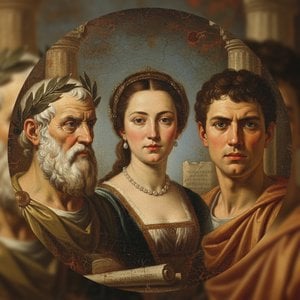
Self-portrait

Discover Thomas Patch’s ‘Self-Portrait.’ A witty 18th-century caricature group offering a unique glimpse into Grand Tour culture. Explore this remarkable artwork!

English painter Thomas Patch (1725-1782) captured witty scenes of Florence & Italy. Explore his caricature groups, landscapes & unique glimpse into Grand Tour culture.

Käsitsi valmistatud õlimaalireproduktsioon

Meie kunstnike poolt tellimusel valmistatud käsitsi maalitud õli-kainaste teos teie soovitud suuruses ja raamis.

P118B $10
P118H $10
P118W $10
P438Z $10
P508JH $12
P508YH $12
P805H $10
P805Z $10
P919BZ $10
P919G $10
P919XJ $10
P959ZH $10
P968JZ $12
W106C $8
W218G $10
W218JH $8
W218Y $10
W307PJ $10
W316G $10
W316PJ $8
W316Y $10
W398PJ $8
W4111J $10
W500HY $15
W500JH $15
W692G $12
W849H $8
W940BG $15
W953PJ $8

Standard
custom
CM
INCH

Vali meie eelmääratud suurused, mis vastavad teose algupärastele proportsioonidele.

laius
kõrgus

Sa võite sisestada oma mõõtmed konkreetse raami või ruumi sobivuse tagamiseks. Kui teie valitud suurus ei vasta originaalpildi proportsioonidele, siis kärvime kunstiteost või laiendame maali täiendavate käsitsi maalitud elementidega. Enne tootmise algust saadetakse teile heakskiitmiseks digitaalne eelvaade.
Palun pidage meeles, et ekraanil kuvatav eelvaade ei kajasta tegelikku kärpimist või laiendamist. Ainult eelvaade näitab täpselt lõplikku kompositsiooni.
Kuigi on saadaval kohandatud suurused, soovitame originaalproportsioonide säilimiseks valida mõõdud eelmääratletud nimekirjast.

Näited muudetavatest elementidest: asenda nägu kliendi fotoga; lisa lemmikloom (nt asenda kass koeraga); lisa taustale peidetud sõnum; muuda tausta maastikku või elemente.
Pärast tellimust saadab WahooArt.com meeskond kliendile e-posti juhised ning esitab eelvaate kavandi.

Maailmline tarne 3–4 nädala jooksul tavalise 5 nädala asemel. (4 juuli). Kvaliteedis kompromisse ei tehta.

why_choose_icon
Tasuta ekspresssaatmine üle maailma
why_choose_icon
Kõrgekvaliteediline linakangas
why_choose_icon
Täielik transpordikindlustus
why_choose_icon
Tollimaksude tagastamise garantii
why_choose_icon
Värvitoime täpsuse garantii
why_choose_icon
60-päevane tagastusõig: ainult tootmisdefektide korral
why_choose_icon
100% raha tagasi garantii
why_choose_icon
Hulgusoodustus

Kogu summa

-

reproduction

Self-portrait

Reproduktsiooni tehnika

Reproduktsiooni suurus

-

Kogusumma

-


Kunstniku elulugu

A Life Unfurled: The Artistic Journey of Thomas Patch

Born in Exeter in 1725, Thomas Patch embarked on a life that defied easy categorization—a painter, engraver, keen observer of human nature through physiognomy, and an early art historian. His story isn’t one of steady ascent within the established British art world, but rather a fascinating trajectory marked by exile, intellectual curiosity, and a unique position as a cultural bridge between Britain and Italy during the height of the Grand Tour era. Initially destined for a medical career following his father's profession, Patch abandoned those studies in 1747, choosing instead to travel to Rome with Richard Dalton, who would later become librarian to George III. This journey proved pivotal, immersing him in a vibrant artistic milieu and introducing him to Joshua Reynolds, already making waves with his satirical caricature groups. Early work under Joseph Vernet honed Patch’s landscape skills, teaching him the techniques of etching while copying Vernet's celebrated views of Tivoli. These formative experiences laid the groundwork for a career that would blend observation, technical skill, and a distinctly individual perspective.

Exile and Flourishing in Florence

A dramatic turn arrived in 1755 when Patch was banished from Rome by the Tribunale della Santa Inquisizione. While the precise reasons remain shrouded in speculation, it is widely believed that homosexual indiscretions led to his expulsion—a stark reminder of the societal constraints and dangers faced by those who defied conventional norms during the 18th century. Forced to seek refuge elsewhere, Patch found a new home in Florence, where he would spend the remainder of his life. This relocation proved unexpectedly fruitful, largely due to his burgeoning friendship with Sir Horace Mann, the British envoy. Mann became an invaluable patron and advocate, connecting Patch with the steady stream of British tourists undertaking the Grand Tour—a crucial source of commissions and recognition. Beyond securing financial stability, Florence provided a stimulating intellectual environment where Patch could pursue diverse interests. He delved into physiognomy, the now-discredited practice of assessing character based on facial features, conducting extensive research that was tragically lost when his notes were stolen and destroyed.

Artistic Contributions: Caricature, Views, and Scholarly Pursuits

Patch’s artistic output was remarkably varied. He is perhaps best known for his witty caricature groups, lively depictions of the Anglo-Florentine community and young British men on their Grand Tour adventures. These paintings offer a captivating glimpse into 18th-century social life, revealing the personalities and interactions of a privileged elite with playful insight. Alongside these character studies, Patch produced numerous views of Florence and Tivoli, landscapes that proved immensely popular with tourists seeking souvenirs of their travels. In 1763, George III himself purchased three views of Florence, demonstrating the quality and appeal of his work. However, Patch’s contributions extended beyond mere picturesque scenes. He was a pioneer in the serious study of early Italian art, recognizing the importance of preserving and promoting the works of masters like Giotto, Masaccio, Ghiberti, and Fra Bartolommeo. Through meticulously reproduced prints, he made these artists accessible to a wider audience, contributing significantly to the growing appreciation for Renaissance art. He frequently included self-portraits within his compositions, sometimes in humorous or symbolic ways, and is immortalized alongside Sir Horace Mann in Johann Zoffany’s iconic painting “The Tribuna of the Uffizi,” a testament to his integration into Florentine society.

Legacy and Historical Significance

Thomas Patch's significance lies not only in his artistic skill but also in his multifaceted role as a cultural intermediary. His caricature paintings provide invaluable social commentary, offering insights into the customs and attitudes of the 18th century. His pioneering study of early Italian art helped to establish a more scholarly approach to art history, paving the way for future generations of researchers. As a figure navigating exile and societal constraints, his life story resonates with themes of identity, belonging, and artistic freedom. The largest collection of his works resides in the Lewis Walpole Library, ensuring that his legacy continues to be studied and appreciated by scholars and art enthusiasts alike. Patch’s work stands as a testament to the power of observation, the allure of Italy, and the enduring human desire to capture the spirit of an era. He was a man who embraced intellectual curiosity and artistic experimentation, leaving behind a body of work that continues to fascinate and delight centuries later. His contribution is a unique blend of social satire, landscape artistry, and scholarly dedication—a legacy that firmly establishes him as a significant figure in 18th-century art history.
Thomas Patch

Thomas Patch

1725 - 1782 , United Kingdom

Lühikesed faktid

  • Artistic Movement Or Style: Caricature, Landscape
  • Artists Who Influenced This Artist:
    • Joseph Vernet
    • Joshua Reynolds
  • Date Of Birth: 1725
  • Date Of Death: 1782
  • Full Name: Thomas Patch
  • Nationality: English
  • Notable Artworks:
    • Self-Portrait
    • A View Of Tivoli
    • Self Portrait Holding Callipers
  • Place Of Birth: Exeter, UK