Abstraktse Arhitekt: Elu Geomeetrilises Harmoonias
Theo van Doesburg, sündinud Christian Emil Marie Küpperina 1883. aastal Utrechtis Hollandis, ei olnud pelgalt maalikunstnik; ta oli revolutsiooniline jõud, mis muutis põhjalikult kaasaegse kunsti aluseid. Tema teekond algas muljetavaldavate ja post-muljetavaldavate kajade keskel, peegeldades esialgu stiile, mis meenutasid Vincent van Goghi loomingut – nii tema teemade kui ka emotsionaalse intensiivsuse poolest. Kuid see varajane etapp oli oluline eeltingimus, vajalik samm radikaalseks muundumiseks, mis määratleks tema püsiva legendi. Pöördepunkt saabus 1913. aastal kohtumisega Wassily Kandinsky teosega *Rückblicke*. See tekst sütitas van Doesburgis sügava arusaama: tõeline kunstiline väljendus ei seisne välist maailma kopeerimises, vaid sisemise vaimse reaalsuse kanaliseerimises puhta abstraktsiooni kaudu. Just sellest veendumusest sündis Neoplastitsism, tavalisemalt tuntud kui De Stijl – liikumine, mille ta asutas ja ägedasti propageeris, saades selle kõige innukamaks pooldajaks.
Uue Visuaalse Keele Loomine: De Stijli Printsiiibid
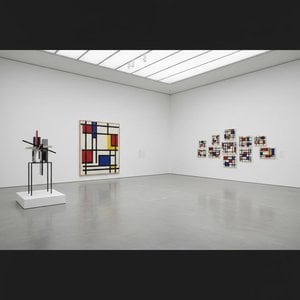
De Stijl ei olnud pelgalt kunstiline stiil; see oli terviklik filosoofiline manifest, mis tõlgiti visuaalsesse vormi. Van Doesburg uskus kunsti viimistlemises selle kõige olulisemate elementideni – sirgete joonte, täisnurkade ja punase, kollase ja sinise põhivärvidega, koos musta, valge ja halliga. See austere palett ei sündinud piirangutest, vaid soovist universaalsuse järele – uskumusest, et need põhilisemad vormid resonantsisid alusleva kosmose korraga. Ta nägi *terviktööd*, mis ulatub lõuendi väljast arhitektuuri, disaini ja isegi igapäevaste esemete juurde. Koostöö oli võtmetähtis; van Doesburg töötas tihedalt arhitektidega nagu J.J.P. Oud ja Gerrit Rietveld, kujundades vitraažakendeid, mööblit ja terveid interjööre, mis kehastasid De Stijli printsiipe. Tema koostöö laienes ka teistele kunstnikele, näiteks Piet Mondrianile, kellega ta asutas mõjukat ajakirja *De Stijl*, platvormi oma ideede levitamiseks ja sarnameelsete loovate inimeste meelitamiseks. Kuigi neil oli ühine algus, tekkisid van Doesburgi ja Mondriani vahel pinged Neoplastitsismi jäikuse osas. 1926. aastal tutvustas van Doesburg “Elementarismi”, propageerides diagonaalseid jooni ja dünaamilisemaid kompositsioone – lahknevust, mis viis lõpuks liikumise killustumisele, paljastades tema rahutu vaimu ja pideva kunstilise evolutsiooni otsingu.
Väljaspool Maalimist: Mitmekülgne Kunstiline Visioon
Kuigi teda tähistati maalikunstnikuna, olid van Doesburgi kunstilised püüdlused tähelepanuväärselt mitmekesised. Ta oli viljakas kirjanik, luuletaja ja kriitik, kasutades oma sulge De Stijli teoreetiliste aluste artikuleerimiseks ja traditsiooniliste kunsti arusaamade väljakutsumiseks. Tema kaasamine Dadaismi alguses 20. sajandi alguses laiendasid tema kunstilisi horisonte veelgi, viies eksperimentaalsete töödeni, mis sisaldasid kollaaži ja tüpograafiat. Sel perioodil õpetas ta ka Bauhausi, kus jagas oma ideid uue põlvkonna kunstnike ja disaineritega. Ta ei olnud rahul traditsiooniliste kunstivormide piiridega; van Doesburg otsis aktiivselt kunsti integreerimist igapäevaelu, uskudes selle võimet ühiskonda muuta. Tema sisekujunduse ja mööblidisainid polnud pelgalt esteetilised harjutused, vaid katsed luua harmoonilisi eluruume, mis peegeldasid De Stijli printsiipe. Hea näide on tema koostöö Sophie Taeuber-Arpiga ja Georges Vantongerlooga kunstnike elukohtade kujundamisel, mis demonstreeris holistilist lähenemist kunstilisele loomingule – katset ehitada maailma *oma ideaalide järgi*.
Pärand ja Püsiv Mõju: Modernismi Pioneer
Theo van Doesburgi elu katkestati tragiliselt 1931. aastal 47-aastaselt, kuid tema mõju kaasaegsele kunstile on sügav. De Stijl, kuigi suhteliselt lühiealine ühtse liikumisena, avaldas tohutut mõju järgnevatele kunstilistele arengutele, sealhulgas Bauhausi disainile, Minimalismile ja Konstruktivismile. Tema rõhk geomeetrilisel abstraktsioonil, puhtal värvil ja funktsionalismil on tänaseni resonantsis kunstnike ja disaineritega. Tema töö on meeldetuletus sellest, et kunst ei seisne pelgalt representatsioonis, vaid põhilisemate vormide ja ideede uurimises. Van Doesburgi pärand ulatub tema maalide ja kujunduste väljast; see peitub tema vankumas kompromissitus kunstilises innovatsioonis ja uskumuses abstraktsiooni muundumisvõimes. Tema visioon ühtse, harmoonilise maailma kohta – väljendatud De Stijli keeles – jätkab inspireerides neid, kes otsivad ilusamat ja tähenduslikumat keskkonda.
Põhitööd & Püsiv Mõju
- Study for Simultaneous Compositions XXII (1922): Tüüpiline näide Neoplastitsismist, mis demonstreerib liikumise allkirjatud geomeetrilisi vorme ja piiratud värvipaletti.
- Composition with half values (1928): Demonstreerib van Doesburgi uurimist toonivariatsioonidega De Stijli esteetikas.
- Dancers (1917-1918): Esindab üleminekufaasi tema töös, segades figuurseid elemente uute abstraktsete tendentsidega.
- Koostöö *De Stijl* ajakirjaga: Oluline platvorm liikumise ideede levitamiseks ja dialoogi edendamiseks kunstnike ja intellektuaalide vahel.
- Elementarism (1926): Van Doesburgi katse süstida Neoplastitsismi dünaamikasse, tutvustades diagonaalseid jooni ja vedelikuma lähenemist kompositsioonile.
Van Doesburgi mõju on näha lugematutes kaasaegse disaini aspektides – arhitektuurist ja mööblidisainist graafilise disaini ja tüpograafiani. Ta jääb kunstiajaloo võtmeisikuks, tõeliseks pioneeriks, kes julges väljakutseid traditsioonidele ja kujundas uue visuaalse keele 20. sajandi jaoks ja edasi – pärand on raiitud sirgete joonte ja põhivärvidega.



 Vaata sisu
 Lülita trükkitoodetele
 Jaga teost
 Jaga
Jaga
 Detailid
 Õppekate juhend

 Laadi alla
 Sarnased teosed
 Röntgenuuring
 Slaidietendus
 Statistika


 Loe lähemalt






































 Klaasivalik on saadaval ainult kuni 110 cm suuruses teostes