x
EelvaadeEelvaade AR-eelvaadeAR-eelvaade Osta print Osta printOsta pilt Osta pilt SaadaSaada
Teave teose kohtaTeave teose kohta Lisa lemmikutesse Lisa lemmikutesse Laadi allaLaadi alla Sarnased teosedSarnased teosed RöntgenuuringRöntgenuuring SlaidietendusSlaidietendus

Juno and Argus

Experience the Baroque brilliance of Peter Paul Rubens’ ‘Juno and Argus’! Witness a dynamic mythological scene with vibrant colors, sensual figures, & a majestic peacock – a masterpiece by the Flemish master.

Sir Peter Paul Rubens oli barokkiaegade suurmeister! Tema ikonilised tööd nagu 'Immakorda Kristuse tõstmine' ja 'Piibli episoodid' on tuntud värviküllastusega ning dünaamilise kompositsiooni poolest. Tutvuge tema eluga ja kunstiga!

Käsitsi valmistatud õlimaalireproduktsioon

Meie kunstnike poolt tellimusel valmistatud käsitsi maalitud õli-kainaste teos teie soovitud suuruses ja raamis. (Osta print Osta printOsta pilt Osta pilt)

P118B $10
P118H $10
P118W $10
P438Z $10
P508JH $12
P508YH $12
P805H $10
P805Z $10
P919BZ $10
P919G $10
P919XJ $10
P959ZH $10
P968JZ $12
W106C $8
W218G $10
W218JH $8
W218Y $10
W307PJ $10
W316G $10
W316PJ $8
W316Y $10
W398PJ $8
W4111J $10
W500HY $15
W500JH $15
W692G $12
W849H $8
W940BG $15
W953PJ $8

Standardne
kohandatud
CM
INCH

Vali meie eelmääratud suurused, mis vastavad teose algupärastele proportsioonidele.

laius
kõrgus

Sa võite sisestada oma mõõtmed konkreetse raami või ruumi sobivuse tagamiseks. Kui teie valitud suurus ei vasta originaalpildi proportsioonidele, siis kärvime kunstiteost või laiendame maali täiendavate käsitsi maalitud elementidega. Enne tootmise algust saadetakse teile heakskiitmiseks digitaalne eelvaade.
Palun pidage meeles, et ekraanil kuvatav eelvaade ei kajasta tegelikku kärpimist või laiendamist. Ainult eelvaade näitab täpselt lõplikku kompositsiooni.
Kuigi on saadaval kohandatud suurused, soovitame originaalproportsioonide säilimiseks valida mõõdud eelmääratletud nimekirjast.

Näited muudetavatest elementidest: asenda nägu kliendi fotoga; lisa lemmikloom (nt asenda kass koeraga); lisa taustale peidetud sõnum; muuda tausta maastikku või elemente.
Pärast tellimust saadab WahooArt.com meeskond kliendile e-posti juhised ning esitab eelvaate kavandi.

Maailmline tarne 3–4 nädala jooksul tavalise 5 nädala asemel. (29 august). Kvaliteedis kompromisse ei tehta.

why_choose_icon
Tasuta ekspresssaatmine üle maailma
why_choose_icon
Kõrgekvaliteediline linakangas
why_choose_icon
Täielik transpordikindlustus
why_choose_icon
Tollimaksude tagastamise garantii
why_choose_icon
Värvitoime täpsuse garantii
why_choose_icon
60-päevane tagastusõig: ainult tootmisdefektide korral
why_choose_icon
100% raha tagasi garantii
why_choose_icon
Hulgusoodustus

Kogu summa

$ 272

reproduction

Juno and Argus

Reproduktsiooni tehnika

Reproduktsiooni suurus

-

Kogusumma

$ 272

Teave teose kohta

  • Year: 1611
  • Title: Juno and Argus
  • Artist: Peter Paul Rubens
  • Subject or theme: Roman mythology
  • Location: Wallraf-Richartz Museum, Cologne
  • Movement: Baroque
  • Medium: Oil on canvas

Kunstiviktoriin

Iga küsimuse kohta on ainult üks õige vastus.

Küsimus 1:
What is the primary subject matter of Peter Paul Rubens’s ‘Juno and Argus’?
Küsimus 2:
In the painting ‘Juno and Argus’, what is depicted as adding to the grandeur of the scene?
Küsimus 3:
Which artistic style is most prominently associated with Peter Paul Rubens’s ‘Juno and Argus’?
Küsimus 4:
Approximately when was ‘Juno and Argus’ painted by Peter Paul Rubens?
Küsimus 5:
What is the significance of the peacock in ‘Juno and Argus’?

Peter Paul Rubens’s Mythological Drama: Juno and Argus

Peter Paul Rubens, a titan of the Flemish Baroque, possessed an unparalleled ability to infuse his paintings with dynamism, sensuality, and profound erudition. Among his vast oeuvre, “Juno and Argus” (c. 1611), currently residing in the Wallraf-Richartz Museum in Cologne, stands as a particularly compelling example of his mastery. This monumental work transcends mere mythological depiction; it’s a carefully constructed narrative brimming with symbolism, dramatic tension, and an exquisite demonstration of Rubens's technical prowess.

The scene unfolds within a richly detailed interior setting, dominated by the imposing figure of Juno, Roman goddess of marriage and childbirth. She is depicted in regal splendor, clad in deep reds and blacks – colors traditionally associated with power, authority, and divine presence. Her outstretched hand, poised over the decapitated body of Argus, embodies both command and a chilling sense of purpose. Argus, once famed for his hundred eyes, now lies lifeless, his glowing remnants being meticulously gathered by Juno to adorn the tail feathers of a magnificent peacock – an image laden with potent symbolism relating to vigilance, perception, and ultimately, vanity. The presence of the peacock itself is crucial; it represents Juno’s own pride and her relentless pursuit of maintaining order and control.

Composition and Technique

Rubens's compositional genius is immediately apparent in “Juno and Argus.” He masterfully employs a pyramidal structure, anchoring the scene with Argus’s body and culminating in Juno’s commanding form. The figures are arranged not as static representations but as active participants within a dramatic unfolding event. The use of *tenebrism*, a technique borrowed from Caravaggio, creates a powerful contrast between light and shadow, intensifying the emotional impact of the scene. Notice how the light dramatically illuminates Juno's face and hands, drawing the viewer’s eye to her decisive gesture while simultaneously shrouding Argus’s body in darkness – emphasizing his demise and the severity of Juno’s action.

Rubens’s technical skill is equally impressive. He demonstrates a remarkable understanding of color theory, utilizing a vibrant palette dominated by rich blues, yellows, and reds to create a sense of opulence and drama. The textures are meticulously rendered – from the smooth flesh tones of the figures to the intricate detail of the peacock's plumage – showcasing Rubens’s ability to capture both form and surface with breathtaking realism. The subtle gradations of color and light contribute significantly to the painting’s overall luminosity and depth.

Mythological Context and Symbolism

“Juno and Argus” is based on a pivotal episode from Ovid's *Metamorphoses*, where Juno, consumed by jealousy of Jupiter’s affections for Io, orchestrates the murder of Argus, who was tasked with guarding the nymph. The story itself speaks to themes of love, betrayal, and the destructive power of unchecked ambition. Rubens doesn’t simply depict this narrative; he imbues it with a profound sense of psychological drama. Juno's expression is not one of simple triumph but rather a complex mixture of determination, ruthlessness, and perhaps even a hint of regret.

Beyond the immediate story, the painting is rich in symbolic meaning. The hundred eyes of Argus represent vigilance and constant observation – qualities that are ultimately rendered futile against Juno’s power. The peacock's tail feathers, adorned with Argus’s eyes, symbolize vanity and the fleeting nature of beauty and perception. The rainbow in the background serves as a visual metaphor for divine intervention and the interconnectedness of the mortal and celestial realms.

A Testament to Baroque Grandeur

“Juno and Argus” is more than just a mythological scene; it’s a masterful demonstration of Rubens's artistic vision. It embodies the key characteristics of the Baroque style – dramatic lighting, dynamic composition, intense emotion, and an erudite engagement with classical mythology. Rubens’s ability to seamlessly blend technical virtuosity with profound symbolic meaning ensures that “Juno and Argus” continues to captivate viewers centuries after its creation. For those seeking a window into the heart of the Baroque era, or for collectors desiring a stunning reproduction of this iconic masterpiece, WahooArt offers meticulously crafted oil painting reproductions that faithfully capture the essence and beauty of Rubens’s original work.


Kunstniku elulugu

Sir Peter Paul Rubens: A Baroque Master!

Peter Paul Rubens, a name synonymous with the exuberant grandeur of the Baroque era, stands as one of Flanders’s most celebrated artists and arguably Europe's foremost painter of his time. More than simply capturing visual beauty, Rubens sought to evoke emotion, convey moral lessons, and celebrate human potential—a mission that cemented his place in art history and continues to inspire admiration today. Born in Siegen, Germany, on June 28th, 1577, Rubens’s early life was marked by upheaval – a formative experience that subtly infused his artistic vision with an undercurrent of drama and resilience. His father, Jan Rubens, a lawyer fleeing religious persecution for Calvinist beliefs, relocated the family from Antwerp, then firmly under Spanish rule, initiating a period of displacement that would shape Peter Paul’s worldview. This initial exile instilled in him a profound appreciation for adaptability—a quality that served him exceptionally well throughout his multifaceted career as an artist, diplomat, and scholar. Following Jan Rubens' untimely death in 1587, the family returned to Antwerp, where young Peter Paul received a humanist education before embarking on his artistic training around 1590, apprenticing under Tobias Verhaecht and Adam van Noort—acquiring foundational skills in drawing and mastering the techniques of oil painting.

The Italian Awakening: Absorbing Renaissance Genius

A pivotal moment arrived in 1600 when Rubens undertook a transformative journey to Italy – a pilgrimage that irrevocably altered his artistic trajectory. For eight years, he immersed himself in the masterpieces crafted by Michelangelo, Raphael, and Titian—absorbing their mastery of form, color, and composition with unwavering dedication. The influence of these Renaissance titans is palpably present in Rubens’s early Italian works, characterized by classical themes and idealized figures – a deliberate effort to emulate the stylistic ideals of his predecessors. Yet, Rubens didn't merely imitate; he synthesized these influences with his innate talent—developing a distinctive style that transcended mere replication. He meticulously studied anatomy, achieving an unprecedented level of realism in depicting the human body—a hallmark of his Baroque aesthetic. This pursuit of anatomical accuracy wasn’t solely driven by artistic ambition; it reflected a broader humanist conviction that championed observation and understanding as pathways to knowledge and beauty. Rubens's meticulous approach extended beyond mere visual representation; he engaged deeply with philosophical concepts, fostering an intellectual curiosity that enriched his artistic endeavors.

A Painter of Epic Scale: Defining the Baroque Style

Rubens’s artistic output was astonishingly diverse—spanning history paintings, mythological scenes, portraits, landscapes, and religious commissions—demonstrating a remarkable versatility that defied categorization. He achieved unparalleled success in monumental canvases intended for churches and palaces—creating immersive experiences for viewers through masterful use of color, light, and dramatic composition. Consider The Descent from the Cross (c. 1616-1617), arguably Rubens’s most iconic work: The painting depicts Jesus Christ descending from the cross, surrounded by Mary Magdalene, Nicodemus, Joseph of Arimathea, and John Evangelist—a scene rendered with breathtaking realism and imbued with profound emotional resonance. Rubens skillfully employed chiaroscuro – dramatic contrasts between light and shadow – to heighten the sense of pathos and convey the spiritual significance of the event. Similarly, The Raising of the Cross (1610-1611) captures the fervor and energy of the biblical narrative—figures surging upwards in dynamic movement against a turbulent sky—a testament to Rubens’s ability to translate theological concepts into visual spectacle. His technique was equally remarkable – utilizing impasto—thickly applied paint—to create textural surfaces that seemed to pulsate with life, alongside delicate glazing techniques to achieve luminous effects—a masterful demonstration of artistic innovation.

Diplomacy and Patronage: Shaping European Culture

Beyond his prodigious artistic achievements, Rubens possessed considerable diplomatic acumen—serving as envoy for the Habsburg Netherlands during periods of intense political instability. He skillfully navigated complex negotiations, securing alliances and bolstering Habsburg prestige—a role that afforded him invaluable insight into the dynamics of European politics. His reputation as a cultured humanist extended beyond formal scholarship; he amassed an impressive collection of antiquities and artworks—demonstrating a passion for beauty and intellectual stimulation that mirrored his artistic sensibilities. Rubens’s patronage played a crucial role in fostering artistic innovation—supporting young artists and commissioning ambitious projects that elevated Antwerp to the forefront of European art culture. He established a large studio staffed by numerous assistants—producing an astounding volume of paintings that catered to the tastes of aristocratic patrons throughout Europe—a testament to his entrepreneurial spirit and unwavering dedication to his craft.

Legacy: An Enduring Influence on Art History

Rubens’s influence reverberates through subsequent generations of artists—inspiring painters like Anthony van Dyck, Jacob Jordaens, and Eugène Delacroix—who adopted his dynamic compositions, vibrant color palettes, and sensual depictions of the human form as hallmarks of their own artistic styles. His legacy extends beyond stylistic imitation; Rubens championed a humanist worldview that emphasized observation, reason, and empathy—values that continue to resonate with contemporary audiences. He remains, centuries later, an undisputed titan in the annals of art history—a symbol of Baroque grandeur, artistic innovation, and enduring cultural significance.
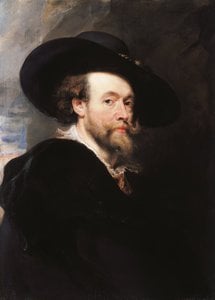
Peter Paul Rubens

Peter Paul Rubens

1577 - 1640 , Saksa

Lühikesed faktid

  • Artistic Movement Or Style: Барокко
  • Artists Or Movements Influenced By This Artist: ['Антони ван Дейк']
  • Artists Who Influenced This Artist:
    • Микеланджело
    • Рафаэль
    • Тициан
  • Date Of Birth: 28 juin 1577
  • Full Name: Sir Peter Paul Rubens
  • Nationality: Фламандская
  • Notable Artworks:
    • Схождение Христа с Креста
    • Подъем Креста
    • Портрет Изабеллы Бранта
  • Place Of Birth: Siegen, Германія
Avastage teoseid, mis on koondatud teemade, stiilide ja omaduste kaupa.