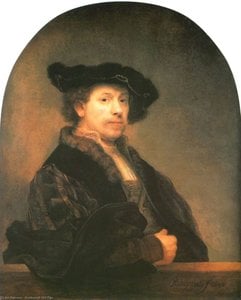
Kunstniku biograafia
Valgus Osutuse ajast: Sir Joshua Reynoldsi elu ja kunst
Sündides 1723. aastal Devonshire'i armsas Plymptoni linnas, tõus Sir Joshua Reynolds esile võimsana kujutavaks tegelaseks Briti kultuurilise transformatsiooni perioodil. Tema isa, revident Samuel Reynolds, suretus temasse õppimise ja intellektuaalse tegevuse armastuse, suunates alguses noort Joshua teele, kus ees ootas akadeemiline karjäär. Kuid peagi pal 드러tus kordumatu kunstiline kalduvus, mis viis kaheksateistkümne aasta vanuses Reynoldsi Londonisse Thomas Hudsoni õpilasse. See kujundav kogemus andis Reynoldsile tugeva aluse portreemaalist, žanrist, mis määraks tema illustriivse karjääri. Hudsoni stuudio oli moeklassi keskpunkt, kus Reynolds koges aristokraatsete klijentide nõudlikkust ja ootusi, mis kujundas mitte ainult tema tehnikat, vaid ka tema arusaat sotsiaalsest maastikust, mida ta hiljem nii meisterlikult kujutas. See ei olnud pelgalt sarnasuse tabamine; see oli püüdlus luua pilt, mis peegeldaks staatust, maitset ja ambitsioone.
Briti portreimaali ‘Suure stiili’ loomine
Reynolds ei piirdunud vaid sellega, mida ta Hudsonilt õppis. Ta alustas kunstilist uuringureisi, keda kütitas sügav imetlus vanade meistrite vastu – eriti Raphael, Michelangelo ja Tiziani vastu. Tema arengus oli murdepunkt reis Roomasse aastal 1eks50, kus ta sutsutas end klassika kunstisse ja omastas „suure stiili“ põhimõtteid – lähenemist, mis eelistas idealiseeritud ilu, dramaatilist kompositsiooni ning ajalikku või müüdilist viitamist. Pärast Inglismaale naasmist püüdis Reynolds tõsta Briti portreemaali kaugemale kui pelgast esitlust, infuseides sellega varem nähtumatut väärikust ja intellektuaalset kaalu. Ta uskus, et portreetsid ei peaks vaid dokumenteerima välist kuju, vaid paljastama ka modelis asuva isiku iseloomu ja sotsiaalset positsiooni. See ambitsioon viis teda ajaloolise maali elementide sisustamiseni oma töödesse, kujutades sageli teemasid elaboraatsetes kostüümides või lavastatud keskkondades, mis meenutasid klassikalisi narratiive. Ta ei maalinud lihtsalt *inimest*; ta lõi püsivaid pilte võimust, intellektist ja kultuurist.
<Esimene president ja Kuningliku Akadeemia eestেuj
Reynoldsi mõju ulatus kaugele tema enda lauast. Aastal 1768 sai ta Kuningliku Kunstide Akadeemia asutajaliikuks ja oluliseltgi tema esimeseks presidendiks – ametikoht, mida ta hoidis ära kuni oma surmuni aastal 1792. See oli Briti kunstile murdeline hetk, lootes institutsiooni, mis on pühendunud kunstitalendi edendamisele ja rahvusliku identiteedi tuulemisele. Reynolds kaitses väsimatult kunstihariduse olulisust ja tõi esile kunstnike tunnustamist professionaalidena, kes väärivad austust ja toetust. Tema aastased loosed – akadeemia üliõpilastele esitatud loosed – said fundamentaalseteks tekstideks kunstiteooria ja praktika kohta, joonistades tema visiooni selgelt Briti koolkonnast. Ta rõhutas looduse uurimise, tehnika valtsimise ja kuj कल्पना aretamise tähtsust, õhutades kunstnikke püülema originaalsust, kuid jääma samas traditsiooniletruks. Reynoldsi juhtimine muuts Briti kunsti maastiku, tõstes selle staatust ja pani aluse tulevatele kunstilisele innovatsioonidele.
Era capturemine: märkimistekoos ja igavene pärand
Reynoldsi viljakas looming hõlmab portrette XVIII sajandi Briti mõne ka kõige prominentsemate isikute seas – aristokraatide, kirjanduslikke suurmehi ja sõjusamide seas. Näiteks tema portret Devonshire'i hertogist kiirgab aristokraatlikust võimust ja sofistikatsioonist, samas kui tema kujutis Peter Darnell Muilman, Charles Crokatt and William Keable in a Landscape näitab tema võimet integreerida isikuid loomulikus keskkonnas. Mr and Mrs William Lindow on veel üks veenvalt näidev esimerkki tema oskusest tabada perelu жизни intiimsust ja sotsiaalset dünaamikat. Lisaks üksikportreetidele excelled Reynolds ka grupikompositsioonides, korraldades oskuslikult mitmeid isikuid ühes raamis, et luua dünaamilisi ja kaasavaid lugusid. Tema töö ei olnud pelgalt tehniline täiuslikkus; see oli lugu – ajaloo olemuse edastamine hoolikalt konstrueritud piltide kaudu.
Reynoldsi mõju Briti kunstile on mõõdamatu. Ta ei kinnitanud portreemaali vaid austatud žanrina, vaid aitas ka kujundada rahvuslikku kultuurset identiteeti riigis, mis läbis kiireid sotsiaalseid ja poliitilisi muutusi. Tema rõhuasetus „suurele stiilile“ inspireeris kunstnikke põlvkondadeks, samas kui tema juhtimine Kuninglikus Akadeemias pani aluse kukohtale kasvavale kunstilisele kogukonnale. Täna jätavad tema maalid vaatajaid lummama oma elegantsi, psühholoogilise sügavuse ja ajaliku olulisusega – see on tõheng tema visiooni ja kunstilise meistri püsivast jõust. Tema teoseid saab leida prestiežees kollektsioonides üle maailma, sealhulgas Londoni Tate Britainis ja Hampton Courti Kuninglikus kogumikus, tagades, et tema pärand jätkab inspiratsiooni jagamist sajandeid.



 Vaata sisu
 Lülita trükkitoodetele
 Jaga teost
 Jaga
Jaga
 Detailid
 Juhend

 Laadi alla
 Sarnased teosed
 Röntgenuuring
 Slaidietendus
 Statistika


 Loe lähemalt