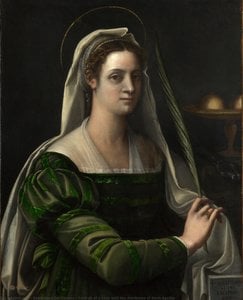
Varajane Elu ja Kunsti Algused
Sebastiano Luciani, hiljem tuntud kui Sebastiano del Piombo, sündis umbes 1485. aastal Veneetsias, kunstilises keskuspunktis, mis oli kuulus oma rikkaliku värvipaleti ja atmosfäärilise perspektiivi poolest. Tema tee maalimiseni ei olnud kohene; algselt tundis ta suurt kirge muusika vastu ning osales andekalt lutomängijana. Alles hilisteismeeieas või varajases täiskasvanueas hakkas Sebastiano tõsiselt tegelema maalikunstiga. See Veneetsia periood jättis talle püsiva armastuse intensiivsete toonide, valguse ja poeetilise tundlikkuse vastu, mis jäid tema stiili tunnusjoonteks ka hilisemates töödes. Varajastes teostes on selgelt näha Giorgione’i mõju, eriti lõpetamata “Solomoni kohtuotsus”, mis demonstreerib dramaatilist narratiivi ja uuenduslikku kompositsiooni, vihjates tulevase kunstniku potentsiaalile. Tema varajased teosed olid täis katsetusi valguse ja värvi kasutamisel ning näitasid juba tema võimet luua atmosfääri ja emotsionaalset pinget.
Rooma Periood ja Kunstiline Areng
Aastal 1511 toimus Sebastiano karjääris pöördepunkt, kui ta siirdus Rooma, mis oli sel ajal kunstilise energia keskus paavstide Julius II ja Leo X patrooniiži all. See kolimine viis ta otse Raphaeli orbiiti, kelle töötuba oli oma tippahelas ning varsti ka Michelangelo’i keerulisse maailma. Erinevalt paljudest kaasaegsetest kunstnikest, kes jäid nende hiiglaste varju, suutis Sebastiano endale välja raiuda unikaalse koha, saades isegi tuntud kriitilise Michelangelo'i austuse ja julgustust. Mõlemad meistrid tundsid sugulust tema püüdlemisses grandioossuse ja anatoomilise täpsuse poole; Michelangelo toetas aktiivselt Sebastiano tööd, innustades teda võistlema Raphaeli vastu prestiižsete tellimuste eest. See rivaalitsemine, kuigi võib-olla Vasari’i liialdatud, kindlasti ergutas Sebastiano ambitsioone ja aitas kaasa tema kasvavale mainele. Tema varajased Rooma teosed, näiteks Villa Farnesina freskod – eriti “Polüphemos” – demonstreerivad klassikaliste motiivide meisterlikku assimileerimist ja suuremahuliste kompositsioonidega töötamise eneskindlust. Ta kujunes kiiresti oluliseks figuuriks Rooma kunstimaastikul, ühendades Veneetsia tundlikkust uue keskkonna nõudmistega.
Stiilide Süntees ja Unikaalne Kunstiline Visioon
Sebastiano del Piombo kunstiline geenius peitus tema võimes leppida kokku Veneetsia ja Rooma näiliselt erinevad traditsioonid. Kuigi kindlalt juurdunud Veneetsia kooli rõhul värvil, valgusel ja tekstuuril – pärand Giorgione’ilt ja Titianilt –, omaks ta Rooma huvi monumentaalsete vormide, anatoomilise täpsuse ja dramaatilise narratiivi vastu. See sulandumine on hämmastavalt selgelt näha “Laazari ülestõusmises”, võimsas altarimaalis, mis telliti Narbonne’i katedraalile ja asub nüüd Londoni Rahvusgaleriis. Maal demonstreerib tema oskust õlimaaliga luua luminoosseid nahatoone ja rikkaid drapeeringsid, samal ajal kui figuuridel on Michelangelole omase skulpturaalse tugevusega vorm. See unikaalne segu eristas teda kaasaegsetest kunstnikutest ning kinnitas ta Rooma kunsti juhtiva figuurina pärast Raphaeli enneaegset surma 1520. aastal. Ta ei jäljendanud lihtsalt; ta rajas uue tee, demonstreerides, et Veneetsia sensuaalsus ja Rooma grandioossus võivad harmooniliselt koeksida samal lõuendil. “Laazari ülestõusmine” on tunnistuseks tema võimest sünteesida need näiliselt vastandlikud jõud sidusaks ja emotsionaalselt resonantsiks tervikuks.
Hilised Eluaastad ja Püsiv Pärand
Sebastiano elu hilisem osa võttis ootamatu pöörde 1531. aastal, kui ta määrati *piombatore’ks*, paavstliku pitsati hoidjaks. See prestiižikas, kuid nõudlik positsioon nõudis tema haldusülesandeid paavstile ning piiras oluliselt tema kunstilist väljundit. Kuigi rahaliselt kindlustatud, tõmbas ametikohuse kohustused ta maalimise juurest eemale ja hilisemad teosed olid arvult vähem. Ta jätkas tellimuste saamist, peamiselt portreid, kuid tema varajase perioodi innukus ja uuenduslikkus näisid veidi summunud olevat. Selle tootlikkuse languse vaatamata jäi Sebastiano respekteeritud figuuriks Rooma kunstiringkondades kuni oma surmani 1547. aastal. Tema mõju oli aga vähem laialdane kui Raphaeli või Michelangelo’l. See tulenes osaliselt tema õpilaste puudumisest ja tööde piiratud levitamisest trükiste kaudu – tavaline praktika kunstniku stiili propageerimiseks renessansi ajal. Sellegipoolest püsib Sebastiano del Piombo pärand tunnistusena kunstilise sünteesi jõust ning Veneetsia värvi ja Rooma monumentaalsuse kestvast võlust.
Olulised Teosed
- Kolm Filosoofi (Giorgione’iga): Kollaboratiivne meistriteos, mis demonstreerib varajasi mõjutusi.
- Polüphemos: Fresko Villa Farnesinas, mis näitab klassikalist stiili ja meisterlikku detaili.
- Moose Seaduste Tahvlite Vastu Võtmine: Demonstreerib õlimaali valdamist ja dramaatilist kompositsiooni.
- Laazari Ülestõusmine: Võimas altarimaal, mis ühendab Veneetsia värvi Rooma vormiga.
- Püha Sebastian: Evokatiivne pühaku kujutus, mis näitab tema oskust inimemotsioone portreteerida.
Tema töö jätkab lummanud ja inspireerides, meenutades aega, mil kunstilised piirid olid vedelad ning innovatsioon õitses.



 Vaata sisu
 Lülita trükkitoodetele
 Jaga teost
 Jaga
Jaga
 Detailid
 Juhend

 Laadi alla
 Sarnased teosed
 Röntgenuuring
 Slaidietendus
 Statistika


 Loe lähemalt






































 Klaasivalik on saadaval ainult kuni 110 cm suuruses teostes