Vaata sisu Vaata AR-eelvaadet Lülita trükkitoodetele Ülemineku digitaalse pildi müügi kanalisse Jaga teost
Detailid Juhend Lisa lemmikutesse Laadi alla Sarnased teosed Röntgenuuring Slaidietendus Statistika

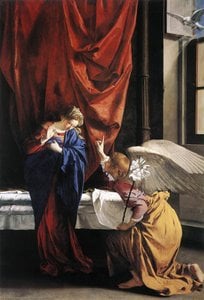
The Annunciation

Explore Scipione Pulzone’s Baroque ‘Annunciation’ (1587). A dramatic oil painting featuring Mary & Gabriel, rich detail, and symbolic elements. Discover this masterpiece of Italian art.

Scipione Pulzone (1544-1598): Neapolitan Renaissance master renowned for detailed portraits of nobility & Counter-Reformation religious art. Explore his unique style!

Käsitsi valmistatud õlimaalireproduktsioon

Meie kunstnike poolt tellimusel valmistatud käsitsi maalitud õli-kainaste teos teie soovitud suuruses ja raamis. ( Lülita trükkitoodetele Ülemineku digitaalse pildi müügi kanalisse)

P118B $10
P118H $10
P118W $10
P438Z $10
P508JH $12
P508YH $12
P805H $10
P805Z $10
P919BZ $10
P919G $10
P919XJ $10
P959ZH $10
P968JZ $12
W106C $8
W218G $10
W218JH $8
W218Y $10
W307PJ $10
W316G $10
W316PJ $8
W316Y $10
W398PJ $8
W4111J $10
W500HY $15
W500JH $15
W692G $12
W849H $8
W940BG $15
W953PJ $8

Standardne suurus
kohandatud
CM
INCH

Vali meie eelmääratud suurused, mis vastavad teose algupärastele proportsioonidele.

laius
kõrgus

Sa võite sisestada oma mõõtmed konkreetse raami või ruumi sobivuse tagamiseks. Kui teie valitud suurus ei vasta originaalpildi proportsioonidele, siis kärvime kunstiteost või laiendame maali täiendavate käsitsi maalitud elementidega. Enne tootmise algust saadetakse teile heakskiitmiseks digitaalne eelvaade.
Palun pidage meeles, et ekraanil kuvatav eelvaade ei kajasta tegelikku kärpimist või laiendamist. Ainult eelvaade näitab täpselt lõplikku kompositsiooni.
Kuigi on saadaval kohandatud suurused, soovitame originaalproportsioonide säilimiseks valida mõõdud eelmääratletud nimekirjast.

Näited muudetavatest elementidest: asenda nägu kliendi fotoga; lisa lemmikloom (nt asenda kass koeraga); lisa taustale peidetud sõnum; muuda tausta maastikku või elemente.
Pärast tellimust saadab WahooArt.com meeskond kliendile e-posti juhised ning esitab eelvaate kavandi

Maailmline tarne 3–4 nädala jooksul tavalise 5 nädala asemel. (22 september). Kvaliteedis kompromisse ei tehta.

why_choose_icon
Tasuta ekspresssaatmine üle maailma
why_choose_icon
Kõrgekvaliteediline lina-kangastest muld
why_choose_icon
Täielik transpordikindlustus
why_choose_icon
Tollimaksude tagastamise garantii
why_choose_icon
Värvitoime täpsuse garantii
why_choose_icon
100 päeva tagastusõigus (ainult defektide korral)
why_choose_icon
100% raha tagasi garantii
why_choose_icon
Hulgusoodustus

Kogu summa

$ 322

reproduction

The Annunciation

Reproduktsiooni materjal

Reproduktsiooni mõõtmed

-

Lõppsumma

$ 322

Teave teose kohta

  • Subject or theme: Religious narrative
  • Location: Private Collection
  • Title: The Annunciation
  • Year: 1587
  • Medium: Oil on panel
  • Artistic style: Detailed realism
  • Influences: Italian Renaissance

A Celestial Encounter in Oil and Light

In the quiet, hallowed stillness of Scipione Pulzone’s 1587 masterpiece, The Annunciation, time seems to suspend itself. This profound work captures the precise, breathless moment when the Archangel Gabriel descends to deliver a divine decree to the Virgin Mary. It is not merely a depiction of a biblical event, but a carefully orchestrated visual drama that invites the viewer into a sacred dialogue. As your eyes wander through the composition, you encounter the tender presence of a young John the Baptist, whose excited gestures toward a blossoming lily serve as a poignant reminder of the life and purity about to unfold. The painting breathes with a sense of spiritual immediacy, pulling the observer into an intimate interior space where the earthly and the divine intersect through a soft, ethereal glow.

The technical brilliance of Pulzone lies in his ability to move beyond the artificiality of Mannerism toward a refined, luminous realism. Utilizing oil on canvas, the artist employs meticulous brushwork to sculpt the figures with anatomical precision and a palpable sense of volume. One cannot help but be captivated by the dramatic chiaroscuro—the masterful interplay of light and shadow that defines the scene. A celestial light source, seemingly emanating from an unseen heaven, bathes the central figures in a radiant warmth, creating a halo effect around the dove of the Holy Spirit. This light does more than illuminate; it sanctifies, casting deep, velvety shadows into the recesses of the room and highlighting the rich textures of flowing fabrics and smooth skin, making the scene feel both monumental and deeply human.

Symbolism and the Soul of the Counter-Reformation

To understand this painting is to understand the heartbeat of the late Renaissance and the dawn of the Baroque era. Created in the wake of the Council of Trent, Pulzone’s work embodies the Counter-Reformation's mission: to use art as a vessel for intense religious devotion and emotional resonance. Every element within the frame is heavy with symbolic meaning, designed to inspire awe and contemplation in the faithful. The lily, held or gestured toward, stands as an eternal emblem of Mary’s purity, while the dove descending through the light represents the divine presence of the Holy Spirit. These symbols are not merely decorative; they are the theological anchors that ground the viewer's emotional response in a sense of profound grace and salvation.

For the discerning collector or interior designer, The Annunciation offers more than just historical significance; it provides a centerpiece of unparalleled emotional depth. The painting’s vertical orientation and balanced composition make it an exquisite addition to a space that seeks to evoke tranquility, dignity, and intellectual curiosity. Whether placed in a grand gallery or a quiet study, the rich palette of deep blues and vibrant reds, contrasted against the dramatic shadows, creates a focal point that commands attention while fostering a meditative atmosphere. Owning a high-quality reproduction of this Baroque treasure allows one to bring a piece of Italy's spiritual and artistic heritage into the modern home, transforming any environment into a sanctuary of beauty and light.


Kunstniku elulugu

Scipione Pulzone: Life and Legacy

Early Life and Training

Scipione Pulzone (1544 – February 1, 1598), also known as Il Gaetano, was a prominent Neapolitan painter of the late Italian Renaissance. Born in Gaeta around 1550, he began his artistic journey within the workshop of Jacopino del Conte in Rome. This foundational training proved crucial to his development, shaping his early style and providing access to the vibrant Roman art scene.

Artistic Development and Style

Pulzone’s work distinguished itself from the prevailing Mannerist trends of his time. He developed a refined and detailed approach, characterized by precise rendering and a focus on naturalism. While influenced by earlier masters, he forged a unique style that blended elegance with religious fervor – particularly relevant during the period of the Counter-Reformation.

  • His portraits are noted for their meticulous detail and psychological insight.
  • Religious paintings often feature dramatic compositions and emotive figures.
  • He skillfully balanced Renaissance ideals with emerging Baroque sensibilities.

Major Works and Achievements

Pulzone’s career spanned Naples, Florence, and Rome, resulting in a diverse body of work. Some of his most significant achievements include:

  • Portraits of Prominent Figures: He painted portraits of Pope Gregory XIII, Cardinal de' Medici, Francesco I de’ Medici, Grand Duke of Tuscany, and their wives, Eleanor and Marie de’ Medici.
  • Religious Commissions: Notable religious works include the “Assumption with the Apostles” for San Silvestro al Quirinale, a “Pietà” for the Gesù church, and a “Crucifixion” for Santa Maria in Vallicella.
  • Mater Divinae Providentiae (around 1580): This painting is particularly significant as it inspired the Roman Catholic cult of devotion to Our Lady of Providence.

Influences and Legacy

Pulzone’s artistic development was shaped by several key influences:

  • Jacopino del Conte: His initial teacher, providing a strong foundation in technique and composition.
  • Girolamo Siciolante da Sermoneta: A significant influence on his religious paintings, particularly in terms of compositional style and emotional intensity.

Pulzone’s legacy lies in his ability to synthesize Renaissance ideals with the evolving artistic landscape of the late 16th century. He was one of the most esteemed artists active in Rome during this period, leaving behind a body of work that continues to be admired for its technical skill and expressive power.

Historical Significance

Scipione Pulzone’s art reflects the religious and political climate of the Counter-Reformation. His detailed and emotionally resonant paintings served as powerful tools for conveying Catholic doctrine and inspiring devotion. He successfully navigated the artistic demands of both secular courts and the Church, establishing himself as a versatile and highly sought-after artist.

Scipione Pulzone

Scipione Pulzone

1550 - 1598 , Italy

Lühikest infot

  • Birth Date: 1544
  • Birth Place: Gaeta, Italy
  • Death Date: February 1, 1598
  • Influenced By: Jacopino del Conte, Girolamo Siciolante da Sermoneta
  • Movement: Late Italian Renaissance
  • Name: Scipione Pulzone
  • Nationality: Italian
  • Notable Works:
    • Assumption with the Apostles
    • Pietà
    • Crucifixion
    • Mater Divinae Providentiae