Vaata sisu Vaata AR-eelvaadet Telli käsitsi maalitud reproduktsioon Ülemineku digitaalse pildi müügi kanalisse Jaga teost
Detailid Õppekate juhend Lisa lemmikutesse Laadi alla Sarnased teosed Röntgenuuring Slaidietendus Statistika

Mystic Nativity

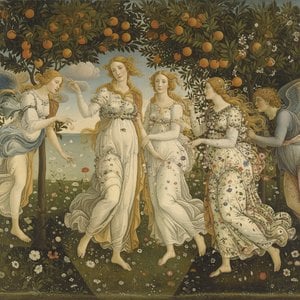
Botticelli’s Mystic Nativity captures the serene beauty of the nativity scene with intricate detail and graceful figures, showcasing the artist's signature style from the Early Renaissance period – a timeless masterpiece to cherish and own.

Sandro Botticelli (1445-1510) – renessansiaegne kunstnik, tuntud "Venuse sünni" ja "Primavera" maalidega! Avasta tema elegantset stiili, müütilisi teemasid ja pärandit.

Giclée / Kunstiprint

Muuseumikvaliteediga giclée- või kangasprint kiire tootmisega ja paindlikud viimistlusvõimalused. ( Telli käsitsi maalitud reproduktsioon Ülemineku digitaalse pildi müügi kanalisse)

Corner sample of the P118B picture frame: vormitud polüstüreen, 5 cm wide and 3 cm thick
P118B €10
Corner sample of the P118H picture frame: vormitud polüstüreen, 5 cm wide and 3 cm thick
P118H €10
Corner sample of the P118W picture frame: vormitud polüstüreen, 5 cm wide and 3 cm thick
P118W €10
Corner sample of the P438Z picture frame: vormitud polüstüreen, 5.5 cm wide and 3.5 cm thick
P438Z €10
Corner sample of the P508JH picture frame: vormitud polüstüreen, 7 cm wide and 3.5 cm thick
P508JH €12
Corner sample of the P508YH picture frame: vormitud polüstüreen, 7 cm wide and 3.5 cm thick
P508YH €12
Corner sample of the P805H picture frame: vormitud polüstüreen, 5 cm wide and 3.5 cm thick
P805H €10
Corner sample of the P805Z picture frame: vormitud polüstüreen, 5 cm wide and 3.5 cm thick
P805Z €10
Corner sample of the P919BZ picture frame: vormitud polüstüreen, 7 cm wide and 3.5 cm thick
P919BZ €10
Corner sample of the P919G picture frame: vormitud polüstüreen, 7 cm wide and 3.5 cm thick
P919G €10
Corner sample of the P919XJ picture frame: vormitud polüstüreen, 7 cm wide and 3.5 cm thick
P919XJ €10
Corner sample of the P959ZH picture frame: vormitud polüstüreen, 5 cm wide and 3 cm thick
P959ZH €10
Corner sample of the P968JZ picture frame: vormitud polüstüreen, 6 cm wide and 4 cm thick
P968JZ €12
Corner sample of the W106C picture frame: tammepuu või massivpuit, 5 cm wide and 3 cm thick
W106C €8
Corner sample of the W218G picture frame: tammepuu või massivpuit, 5 cm wide and 3 cm thick
W218G €10
Corner sample of the W218JH picture frame: tammepuu või massivpuit, 5 cm wide and 3 cm thick
W218JH €8
Corner sample of the W218Y picture frame: tammepuu või massivpuit, 5 cm wide and 3 cm thick
W218Y €10
Corner sample of the W307PJ picture frame: tammepuu või massivpuit, 6 cm wide and 3 cm thick
W307PJ €10
Corner sample of the W316G picture frame: tammepuu või massivpuit, 6 cm wide and 3 cm thick
W316G €10
Corner sample of the W316PJ picture frame: tammepuu või massivpuit, 6 cm wide and 3 cm thick
W316PJ €8
Corner sample of the W316Y picture frame: tammepuu või massivpuit, 6 cm wide and 3 cm thick
W316Y €10
Corner sample of the W398PJ picture frame: tammepuu või massivpuit, 5 cm wide and 3 cm thick
W398PJ €8
Corner sample of the W4111J picture frame: tammepuu või massivpuit, 6.5 cm wide and 3.5 cm thick
W4111J €10
Corner sample of the W500HY picture frame: tammepuu või massivpuit, 7 cm wide and 5 cm thick
W500HY €15
Corner sample of the W500JH picture frame: tammepuu või massivpuit, 7 cm wide and 5 cm thick
W500JH €15
Corner sample of the W692G picture frame: tammepuu või massivpuit, 8 cm wide and 4 cm thick
W692G €12
Corner sample of the W849H picture frame: tammepuu või massivpuit, 5 cm wide and 3 cm thick
W849H €8
Corner sample of the W940BG picture frame: tammepuu või massivpuit, 7.5 cm wide and 4.5 cm thick
W940BG €15
Corner sample of the W953PJ picture frame: tammepuu või massivpuit, 6 cm wide and 3.5 cm thick
W953PJ €8

Standardne suurus
kohandatud
CM
INCH

Vali meie eelmääratud suurused, mis vastavad teose algupärastele proportsioonidele.

laius
kõrgus

Sisestage vajalik laius ja kõrgus, et see sobiks teie raamile või seinale. Trükki saab ainult lõigata, seda ei saa kunagi pildist suuremaks teha, seega ka differentse vormiga suurus kaotab osa pildist. Enne trükkimist saadame teile kinnitamiseks digitaalse näidisprojektsiooni. Sellel lehel näidatud pilt ei kujuta reaalset lõiget — seda näitab ainult näidisprojekttsioon.

Ülemaailmne tarne () 2 nädala jooksul, tavalise 4/5 nädala asemel. (26 oktoober)

Tasuta ekspresssaatmine üle maailma
Kõrgekvaliteediline lina-kangastest muld
Täielik transpordikindlustus
Tollimaksude tagastamise garantii
Värvitoime täpsuse garantii
100 päeva tagastusõigus (ainult defektide korral)
100% raha tagasi garantii
Hulgusoodustus

Kogu summa

€ 60

Mystic Nativity

Giclée / Kunstiprint

Reproduktsiooni mõõtmed

-

Lõppsumma

€ 60

Teave teose kohta

  • Artistic style: Renaissance
  • Movement: Early Renaissance
  • Artist: Sandro Botticelli

Kunstiteaduse kvartett

Iga küsimuse kohta on ainult üks õige vastus.

Küsimus 1:
What is the central theme depicted in the artwork 'Mystic Nativity'?
Küsimus 2:
Which famous Renaissance artist is associated with the style and period suggested by this artwork's context?
Küsimus 3:
Besides Mary, Joseph, and the baby Jesus, what animals are specifically mentioned as being present in the scene?
Küsimus 4:
The setting of the painting includes what natural element, adding depth to the composition?
Küsimus 5:
Botticelli's early life and artistic development were deeply rooted in which Italian city?

A Celestial Vision Amidst Earthly Turmoil

In the twilight of the Quattrocento, as the political landscape of Italy fractured under the weight of papal ambitions and dynastic strife, Sandro Botticelli captured something far more profound than a mere religious milestone. His Mystic Nativity serves as an eloquent distillation of Renaissance ideals interwoven with the palpable anxieties of a world in flux. At first glance, the painting presents the serene, familiar scene of the Nativity—Mary cradling the infant Jesus amidst a pastoral landscape—yet the work breathes with a much deeper, more unsettling spiritual energy. It is not merely a depiction of a birth, but a complex theological vision that bridges the gap between the historical event of Christ's arrival and the apocalyptic prophecies of the Book of Revelation.

The composition guides the viewer’s eye upward through multiple narrative layers, emphasizing the sacredness of the moment while inviting contemplation of divine intervention and human humility. The central figures of Mary, Joseph, and the infant Jesus radiate divine grace, surrounded by celestial angels and humble earthly witnesses. There is a shimmering brilliance to the hues that seems to emanate from within the panel itself, creating a sense of divine light that transcends the physical medium. This luminosity serves to elevate the scene from a rustic outdoor setting into a celestial realm, where the boundaries between the earthly and the divine become beautifully blurred.

Symbolism, Technique, and the Divine Order

To gaze upon the Mystic Nativity is to engage in a silent dialogue with a dense web of symbolism. Botticelli meticulously constructed the composition to reflect a cosmic order. At the top of the work, a celestial dome of twelve angels encircles the heavens, representing both the twelve hours of the day and the twelve months of the year, acting as divine guardians over the unfolding drama. These angelic figures, draped in robes of white, red, and green, embody the virtues of faith, hope, and charity. Below this heavenly host, the landscape is punctuated by olive branches entwined with scrolls—symbols of peace and wisdom that stand in poignant contrast to the darker elements lurking in the shadows.

The emotional depth of the piece lies in its tension between salvation and peril. Beneath the rocky outcrops, demons emerge, embodying the evil forces that threaten the world. The painting employs a fascinating blend of styles; while it utilizes the emerging Renaissance naturalism, it also retains the earlier medieval convention of showing the Virgin Mary and infant Jesus on a larger scale than other figures. This deliberate distortion creates a powerful effect, emphasizing their importance above all else. Botticelli’s technical mastery is evident in his ability to manipulate oil on canvas to achieve an ethereal, luminous quality, capturing intricate textures—from flowing fabrics to natural foliage—that bring this biblical story to life.

For the discerning collector or interior designer, this masterpiece offers a profound sense of spiritual reverence and historical weight. Whether placed in a sacred space or an elegant, contemplative interior, the Mystic Nativity acts as a captivating focal point, inviting viewers to contemplate the sacred mystery of Christ’s birth and the enduring promise of peace amidst the darkness of the world.

Küsimused ja vastused

Milline ruum sobib kokku teose „Mystic Nativity“, autor Sandro Botticelli värvidega?

Teose „Mystic Nativity“, autor Sandro Botticelli Earthy toonid sobivad suurepäraselt selle soovituslikule ruumile: Living Room.

Millist tooni suundub "Mystic Nativity"?

Teose „Mystic Nativity“, autor Sandro Botticelli läbimõtes on tunda Ochre to Sepia toonist.

Kas teose "Mystic Nativity" looja Sandro Botticelli on tuntud ka muude nimede all?

Teised Sandro Botticelli jaoks kirjutatud nimed, teose "Mystic Nativity" looja, hõlmavad ka Alessandro Di Mariano Filipepi, Sandro Botticello.


Kunstniku elulugu

Alessandro di Mariano: Firenze Renessansi Küllus ja Hingeline Ilu

Sandro Botticelli, kelle pärisnimi oli Alessandro di Mariano Filipepi, sündis umbes 1445. aastal Firenzes, Itaalias, ajal, mil linn oli renessanssi kultuurilise õitsemise epitsentrum. Tema elu ja looming olid tihedalt seotud Firenze linna vaimuga; ta ei lahkunud kunagi oma Ognissanti naaberkonnast, mis näitab nii perekondlikke sidemeid kui ka elavat loova keskkonda, mis teda toitis. Tema isa Mariano Filipepi, algselt kullassepp ja hiljem nahavabriku omanik, tutvustas talle juba noorelt käsitööd ja tähelepanelikkust detailide suhtes – omadusi, mis mõjutasid sügavalt Botticelli kunstilist lähenemist. Kuigi esialgsete andmete järgi õppis ta kullasseppa, leidis ta peagi oma kutsumuse Fra Filippo Lippi juhendamisel. See õpipaigastus osutus võtmetäheks, sukeldades teda florentse kooli tehnikatesse ja esteetikasse ning samal ajal ühendades ta mõjukaate patroonidega, nagu Medici perekond. Botticelli loominguline stiil on koheselt äratuntav lüürilise ilu poolest, mida iseloomustavad elegantsed jooned, voolavad kontuurid ja õrn värvitoonide kasutamine. Ta ületas oskuslikult hilisgoti traditsioonide ja kasvava renessansiaegse esteetika vahet, omades mõjutusi sellistelt meistritena Fra Angelico ja Paolo Uccello poolt, kuid kujundades samas ainulaadse isikliku visiooni. Tema tegelased on eeterlikud, sageli kujutatud pikendatud proportsioonidega ja viisakatel poosidel, mis väljendavad nii rahu kui ka õrna melanhooliast. Tema tööde eripäraks on sagedane klassikalise mütoloogia kasutamine – peegeldus renessanssiaegsete Firenze inimeste huvi vastu. Ta ei illustreerinud neid muistseid lugusid lihtsalt; ta andis neile uusi tähendustasandeid, uurides armastuse, ilu ja vaimulise igatsuse teemasid. Botticelli kasutas uuenduslikke tehnikaid oma ajale omaselt. Ta kasutas sageli hõbekirjutusmeetodit (silverpoint) esimaalinguna, mis aitas kaasa tema lõuendi valgusrikkale ja õrnale detailile. Temperavärvide kasutamine võimaldas talle täpset kujutamist ja erksaid värve, samas kui hilisemad katsetused õlivärviga laiendasid tema väljendusvõimalusi.

"Venus sünd" ja "Primavera": Sümbolid Renessansi Ideaalidest

Botticelli jääb ajalukku tänu mõnedele ikoonilistele maalidele, mis jätkavad sajandeid publikut vaimustades. Umbes 1486. aastal valminud „Venuse sünd“ on võib-olla tema tuntuim teos – allegoriline kujutus jumalannast, kes kerkib merekarbist, kehastas renessanssiaegsete ilu ja harmoonia ideaale. Selle graatsiline kompositsioon, õrn värvipalett ja erootiline sümbolism on muutnud selle ajastu kütkivaks sümboliks. Samavõrra tuntud on „Primavera“, mis valmis umbes 1482. aastal – keeruline ja salaperane maal, mis tähistab kevadet ja armastust ning mida täidavad klassikalisest mütoloogiast pärit sümbolilised tegelased. Need tööd näitavad Botticelli meisterlikkust kompositsioonis, tema võimet luua atmosfäärset sügavust ja tema sügavat inimhinge mõistmist. On arvatud, et kunstnik kujutas „Venuse sünnil“ oma armastatut Simonetta Vespuccit, Firenze kaunimat naist. Kuigi selle hüpoteesi on kahtluse alla seadnud kunstiajaloolased, jääb see romantiliseks legendiks, mis lisab maalile veelgi võlu.

Savonarola Mõju ja Hilisem Looming

1490. aastatel mõjutas Botticelli loomingut Girolamo Savonarola, dominikaani munk ja jutlustaja, kes südaselt moralistlik mees, tegutses Firenzes. Savonarola hoiatas Firenze dekadentsuse ja moraalse korruptsiooni eest ning see mõjutas Botticelli hilisemat loomingut, mis muutus karmimaks ja vaimulisemaks. See periood andis sündmusele rohkem sisukate ja emotsionaalselt laetud töödele, mis peegeldavad kasvavat vaimulikku intensiivsust. Tema teoste värvipalett muutus tumedamaks ning kujutised väljendasid sügavamat piinlikkust ja kahtlust.

Unustuse Varjudest Uue Avastamiseni

Botticelli surma järel aastal 1510 kadus tema maine järk-järgult unustusse. Pea kolm sajandit olid tema tööd varjutatud Leonardo da Vinci ja Michelangelo nagu High Renaissance meistrite saavutuste poolt. Kuid 19. sajandi lõpus toimus märkimisväärne taastamine Pre-Raphaelite vennaskonna tõttu – rühm inglise kunstnikke, kes keelasid ära akadeemilised konventsioonid ja otsisid inspiratsiooni varase Itaalia renessansi kunstist. Nad olid vaimustunud Botticelli lineaarse graatsia, erksate värvide ja poeetliku tundlikkuse üle, tunnistasid teda vennaks. See uuenenud hindamine põhjustas tema töö laialdase ümberhindamise, mis kindlustas tema koha ühe olulisema renessanssiaegse kunstnikuna. Tänapäeval tähistatakse Botticelli oma ainulaadse kunstilise visiooni, meisterliku tehnikaga ja jätkuva võime poolest ärgata ilu, emotsioone ja vaimulikku kaitsmist. Tema mõju on näha järgmistes põlvkondades kunstnike seas, kes on püüdnud oma töödes sama graatsiat ja elegantsi jäädvustada. Ta jääb Firenze kunsti saavutuse sümboliks ja tõestuseks renessanssi humanismi võimsast mõjust.

Peamised Teosed

  • "Venuse sünd" (umbes 1486): Ikoneiline kujutus, mis kehastas renessanssiaegsete ilu ideaale.
  • "Primavera" (umbes 1482): Keeruline allegoriline maal, mis tähistab kevadet ja armastust.
  • "Magi kummardamine" (1475–1476): Näitab varajast meisterlikkust kompositsioonis ja perspektiivis.
  • "Vaimulik Jõulud" (1501): Peegeldab tema hilisemas karjääris vaimuliste teemade poole muutumist.

Sandro Botticelli

Sandro Botticelli

1445 - 1510 , Itaalia

Lühikest infot

  • Artistic Movement Or Style: Vararenessanss
  • Artists Or Movements Influenced By This Artist: ['Pre-Raphaelites']
  • Artists Who Influenced This Artist:
    • Fra Angelico
    • Paolo Uccello
  • Date Of Birth: u 1445
  • Date Of Death: 1510
  • Full Name: Alessandro di Mariano Filipepi
  • Nationality: Itaalia
  • Notable Artworks:
    • Venuse sünd
    • Primavera
    • Noli me tangere
  • Place Of Birth: Firenze, Itaalia
Avastage teoseid, mis on koondatud teemade, stiilide ja omaduste kaupa.