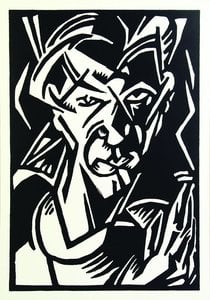
Sandor Bortnyik: Varjude ja sümbolismide kudurija
Sandor Bortnyik (1893-1976) on jäänud Ungari kunstiajaloos sügavalt arvestamatuks ja salapäraseks kujundiks – kunstnikuks, kelle kummitlevad teosed resoneerivad tänapäevani tugeva sümbolismi, ekspressionismi ja arhitektuurse täpsuse seguga. Sündinud Transilwanias, Marosvásárhelyis – mis kuului tollal Ungari Impeeriumile – oli Bortnyiki elu tähistatud eksiiri ja kunstilise evolutsiooniga, mis lõpuks kujundas temast ühe oma põlvkonna eriintunud hääle. Tema pärand ei peitu mitte ainult laadikus maaliduses ja graafilistes disainides, vaid ka tema asjatundlikus rollis õpetajana, kes südastis uut ungari kunstnike lainet Bauhausi põhimõtete raamistikus.
Varajane elu ja mõjutid
Bortnyiki esimene kunstiline haridus algas Budapestis, kus teda tõmbasid kohe ligi fauvismist liigu vibrantne energia. Kuid pärast esimest maailmasõda sündinud poliitiline segadus sundis teda eksili, viies lõpuks 1922. aastal Weimari. See asukoht muutunuke võrustlikuks, uputades ta revolutsioonilisse Bauhaus kooli keskkonda. Funktsionaalsuse, geomeetrilise abstraktsiooni ja käsitöö tähtsustuse põhimõtted mõjutasid sügavalt tema kunstilist arengut. Ta õppis meisterite, nagu Johannes Itten ja Lyonel Feininger, juures, imeldes nende filosoofiaid ning surendes samal ajal välja oma unikaalse visuaalse keele. Kubismi mõju on selgelt nähtav tema varajates töödes, eriti vormide fragmentaarne esitamine ja mitme perspektiivi uurimine – tehnika, mille ta hiljem sümbolistliku pildistusega meisterlikult ühendas.
Reklaumkunst ja graafilise disaini meistari
Hoolimata tema seosest avangaardsete suundumistega, oli Bortnyiki karjäär lahutumatu seotud reklaumkunstiga. Ta kujunes kiiresti tuntuks ja nõutuks trükiste disaineriks, luues silmapaistva visuaalse kommunikatsiooni erinevatele klientidele – alates parfüümivalmistajatest nagu Savoly kuni tsaarikompaniatega nagu Modiano. Need trükised ei ole pelgalt reklaamid; need on miniatuurkunstiteosed, mida iseloomustavad julged värvid, dünaamilised kompositsioonid ja sageli melankoolne või häälestav tunne. Tema disainid olid oma ajale üllatavalt innovatiivsed, tuues modernistlik-konstruktiivistlik esteetika Ungari turule.
Tööbaas ja Bauhaus pärand
1928. aastal asutas Bortnyik Budapestis privaatse kunstikooli „Mühely“ (Tööbaas), mis sai oluliseks ungari kunstitalendi kasvatajaks. Tuginedes tugevalt Bauhaus reeglitele, rõhutas ta materjalide, tehnikate ja kontseptuaalsete lähenemiste eksperimenteerimist. Tema õppekava soostutas uuendusjõudu ning julgustas õpilasi murdma traditsioonilisi kunstitegemise mõtteid. Ta teenis samuti Ungari Fine Arts Akadeemia direktorina aastatel 1949 kuni 1956, kujustades pärast sõda Ungari kunstimaastikku. Tema pühendumus haridusele ulatus kaugemale kui ainult ametlik õpetamine; ta püüdis aktiivselt tutvustada oma õpilastele rahvusvahelisi arenguid kunstis ja disainis, lootes kultuuridevahelist dialoogi, mis rikastas nende loomingulist praktikat.
Surme, transformatsiooni ja linnamaastiku teemad
Bortnyiki teos에는 on sügavalt kohal surme, lagunemise ja muutuse teemad. Tema kuulsaimad teosed – mida sageli nimetatakse „tunnelimaalideks“ – kujutavad klaustrofobilisi ruume, mis on täidetud moonutatud kujundite, fragmentaarsete vormide ja igavesti kohaloleva ebamugavustunnetega. Need kujendid peegeldavad modernsustu psühholoogilist ärevust, välendades fantaasiat surevuse ja inimolu haavatavuse kohta. Tume värvide kasutamine, dramaatiline valgus ja sümboliline pildikeel — nagu kraniumid, lagunevad lilled ja üksildased figuurid — loob sügava melankoolia atmosfääri. Ometi selle pimeduse keskmel on sageli nähtav lootuse või vastupidavuse säle, mis viitab uuendusest ja taassündimuse võimalusele. Tema maalid kujutavad tihti linnamaastikke, tabades modernset isolatsiooni ja võõrustust, uurides samal ajal linna varjude sisse peitunud ilu ja saladusi.
Bortnyiki tööd on jätkuvalt uuretavad ja imetlusväärtuslikud oma kummitlevat ilu, tehnilise meistripalu ja inimliku olukorra sügavatoelise uurimise tõttu. Ta on jäänud võtmefiguuriks Ungari kunstiajaloos, tõendina kunstilise visiooni jõuetest ja Bauhaus liikumuse püsivast pärandist.



 Vaata sisu
 Lülita trükkitoodetele
 Jaga teost
 Jaga
Jaga
 Detailid
 Õppekate juhend

 Laadi alla
 Sarnased teosed
 Röntgenuuring
 Slaidietendus
 Statistika
 Loe lähemalt