Kunstniku elulugu
Rogeri van der Weideni: Emotsioonide Meister ja Varase Madalmaade Kunsti Põhjajalg
Rogeri van der Weiden, keda tuntakse ka Roger de la Pasture'ina, sündis umbes 1400. aastal Tournais, tänapäeva Belgias. Tema eluvarased aastad on ümbritud müsteeriumiga, kuid on teada, et ta õppis esmalt kuldsepa ametit, mis andis talle suurepärase silma detailidele ja vormile – oskused, mida ta hiljem rakendas oma maalijategevuses. 1427. aastal sai temast Tournai maalijate gildi meister, märk tunnustatud talentidest ja väärtusest. See oli oluline verstapost tema karjääris, mis avas uksi tähtsamatele tellimustele ja võimaldas tal oma kunsti arendada. 1435. aastal astus ta teenistusse Burgundia hertsogi Philips Hea juures, mis kujundas tema hilisemat elu ja loomingut oluliselt. Hertsogi õukonnas nautis Weiden mitte ainult rahalist stabiilsust, vaid ka ligipääsu eliidi ringkondadele ning võimalust näidata oma kunsti silmapaistvatele patroonidele. See periood oli kriitiline tema kunstilise visiooni arengus, kui ta hüljaski varasemate Madalmaade maalijate jäikad konventsioonid ja pöördus emotsionaalselt jõulise ning realistlikuma lähenemise poole. Ta ei maalinud lihtsalt religioosseid teemasid; ta püüdis äratada vaatajas tunde, luues kogemuse, mis ületas pelgalt vaatamise.
Varajased Teosed ja Stiili Areng
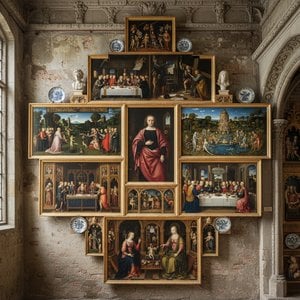
Weideni varasemad tööd näitavad juba tema ainulaadset lähenemist kunstile, kuid aja jooksul täienes ta oskuslikkus ning süvenes tema stiil. Ta oli üks esimesi maalijaid, kes hoidus põhjalikest eeljoonistustest, usaldades oma vahetut vaatlust ja käsitööd. Tema värvilahendused olid rikkad ja mitmekesised, kasutades erinevaid toone ja varjundeid, et luua sügavust ning keerukust kompositsioonis. Eriliselt silmapaistev oli tema võime kujutada inimeste tundeid – *pathos* – eriti Kristuse kannatuslugu käsitlevates teostes. Näiteks "Kristuse ristilt võtmine" (1438), mis asub Hispaania kuningliku lossi kapellis, näitab seda suurepäraselt. Kunstnik kujutas iga figuuri näol ja liigutustes erinevat valu ja kurbust, saavutades dramaatilise efekti, mida varem polnud nii selgelt täheldatud. See oli oluline samm võrreldes Jan van Eyckiga, kelle figuurid säilitasid alati rahu nii poosides kui ka hingeelu väljendustes. Weideni teosed olid sageli dramaatilised ja patneed, täis sügavat ilmekust ning meeleheitmist.
Peamised Teosed ja Pärand
Rogeri van der Weideni looming on rikas ja mitmekesine, kuid mõned teosed eristuvad oma kunstilise väärtuse poolest. "Viimase kohtupäeva" tiibaltar (1445), mis asub Beaune'i haiglas Dijoni lähedal, on üks tema suurimaid saavutusi, näidates suurepärast ruumitaju ja keerukat kompositsiooni. Tema teosed olid väga nõutud kogu Euroopas, eriti Itaalias ja Hispaanis, kus nad tutvustasid uut emotsionaalset sügavust ning naturalismi kohalikele kunstnikele. Weideni mõjutus ulatus kaugemale tema kodumaa piiride, inspireerides lugematuid kunstnikke ja kujundades lääne kunsti arengut sajanditeks. Ta aitas kindlustada õlimaalimise kui peamise tehnikat ning tõstis kunstniku staatust ühiskonnas, muutes nad oskuslikest käsitöölistest austatud loojateks. Tema pärand elab tänapäevani edasi, tuues esile tema geniaalsuse ja sügava arusaamise inimloomusest.
Mõjud ja Kunstnikud, Keda Ta Esitas
Weideni loomingule mõjutasid eelkõige varasemad Madalmaade kunstnikud nagu Robert Campin ning Jan van Eyck, kuid ta suutis luua oma ainulaadse stiili, mis eristus teistest. Tema tööd näitavad ka itaalia renessansikunsti mõju, eriti pärast tema reisi Itaaliasse aastal 1449–1450. See aegas oli märgata pehmemat selgust ning rahulikkust tema piltides. Weideni kunstnikkolleegide seas võib nimetada Hugo van der Goesi, kelle Portinari altarimaal näitab sarnaseid emotsionaalseid sügavusi ja detailset tähelepanu. Ta oli üks kolmest "suurest" varajastest flaami meistritest (koos Jan van Eyckiga ja Robert Campiniga), kes aitasid kujundada Põhja-Renessansi kunsti ning luua aluse hilisemale Euroopa kunstile.



 Vaata sisu
 Telli käsitsi maalitud reproduktsioon
 Jaga teost
 Jaga
Jaga
 Detailid
 Juhend

 Laadi alla
 Sarnased teosed
 Röntgenuuring
 Slaidietendus
 Statistika


 Loe lähemalt






































 Klaasivalik on saadaval ainult kuni 110 cm suuruses teostes