A Surreal Encounter: René Magritte’s “The Glass Bathroom”
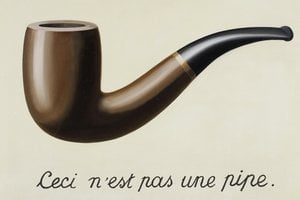
René Magritte's "The Glass Bathroom," painted in 1963, isn’t merely a depiction of an interior scene; it’s a carefully constructed puzzle for the viewer’s mind. This iconic work, now available as a meticulously crafted oil painting reproduction from WahooArt.com, embodies the core tenets of surrealism – challenging our assumptions about reality and inviting us to contemplate the hidden layers beneath the surface. The image presents a seemingly simple tableau: a giraffe standing before a glass filled with water, positioned on a table alongside two cups and a bottle. Yet, within this quiet domestic setting, Magritte orchestrates an unsettling juxtaposition of the familiar and the utterly unexpected.
The Language of Symbolism
Magritte’s genius lies in his ability to imbue ordinary objects with profound meaning. The giraffe itself is a potent symbol – representing both wildness and the unattainable, a creature belonging to another realm entirely. Its presence within a mundane bathroom setting immediately disrupts our expectations, forcing us to question the boundaries between nature and civilization. The glass of water, reflecting the giraffe’s image, acts as a mirror, not just of the physical world but also of perception itself. It suggests an illusion, a distortion of reality – a key theme in Magritte's oeuvre. The two cups and bottle further contribute to this sense of ambiguity; they are commonplace items, yet their placement feels deliberately staged, adding to the painting’s overall enigmatic quality.
A Masterclass in Surrealist Technique
Magritte’s technique is deceptively simple, relying on precise detail and a muted color palette. He employs a restrained approach, favoring subtle gradations of tone rather than bold contrasts. This allows the viewer's eye to linger on each element, absorbing its significance. The brushstrokes are smooth and deliberate, contributing to the painting’s almost photographic quality – an illusion that further enhances the unsettling effect. He meticulously rendered the giraffe, capturing its texture and form with remarkable accuracy, grounding the fantastical elements within a recognizable reality. This careful attention to detail is characteristic of Magritte's work; he sought to create images that were both familiar and profoundly strange.
Historical Context and Artistic Legacy
"The Glass Bathroom" emerged during a period of intense artistic experimentation following World War II, a time when artists were grappling with the trauma and disillusionment of the era. Surrealism, born in the 1920s, offered a means to explore the subconscious mind and challenge conventional modes of representation. Magritte’s work aligns perfectly with this movement, sharing its interest in dreams, memory, and the irrational. His influence extends far beyond the surrealist circle; artists like Max Ernst and David Hockney have acknowledged his impact on their own creative practices. The Berardo Collection Museum in Lisbon proudly houses a significant collection of Magritte’s works, offering visitors a valuable opportunity to immerse themselves in the artist's unique vision.
Bringing “The Glass Bathroom” Home
WahooArt.com is delighted to offer high-quality reproductions of René Magritte’s "The Glass Bathroom," allowing art lovers and collectors to experience this captivating masterpiece firsthand. Our hand-painted reproductions faithfully capture the painting's subtle nuances, color palette, and overall atmosphere, ensuring that you receive a stunning addition to your collection or a unique piece for your interior design. More than just an image, “The Glass Bathroom” is an invitation to contemplate the mysteries of perception and the beauty of the unexpected – a timeless reminder of René Magritte’s enduring legacy.



 Vaata sisu
 Telli käsitsi maalitud reproduktsioon
 Jaga teost
 Jaga
Jaga
 Detailid
 Juhend

 Laadi alla
 Sarnased teosed
 Röntgenuuring
 Slaidietendus
 Statistika
 Loe lähemalt






































 Klaasivalik on saadaval ainult kuni 110 cm suuruses teostes