Vaata sisu Vaata AR-eelvaadet Telli käsitsi maalitud reproduktsioon Ülemineku digitaalse pildi müügi kanalisse Jaga teost
Detailid Õppekate juhend Lisa lemmikutesse Laadi alla Sarnased teosed Röntgenuuring Slaidietendus Statistika

Intermission

René Magritte’s ‘Intermission,’ painted in 1928, captures the surrealist mood with its stark mountain landscape and figures gazing beyond view—a masterful exploration of perception and hidden realities by a Belgian icon.

René Magritte (1898–1967) – belgia sürrealist kunstnik, tuntud teostega nagu "The Lovers" ja "Ceci n’est pas une pipe". Tema pilkupüüdvad kompositsioonid sepitavad reaalsust ja kujutist, mõjutades pop-kunsti ja kontseptuaalset kunsti.

Sellel lehel kuvatav kunstiteos on kaitstud autoriõigusega, mis tähendab, et meil ei ole seaduslikku õigust luua või müüa identset reproduktsiooni. Seda kaitset rakendatakse rahvusvaheliste kokkulepete alusel, nagu näiteks Berne konventsioon ning riiklike seadustega, sealhulgas nendega, mida on sätestatud USA autoriõiguse seadus – 17. peatükk.

See meetod järgib täielikult autoriõiguse reegleid, kuna see ei põhine kaitstud kunstiteose kopeerimisel või dupliteerimisel. Selle asemel on tegu loova reinterpreetatsiooniga – uue maaldisega, mis on algteosest inspireeritud, kuid ei ole sellest identiline.

Giclée / Kunstiprint

Muuseumikvaliteediga giclée- või kangasprint kiire tootmisega ja paindlikud viimistlusvõimalused. ( Telli käsitsi maalitud reproduktsioon Ülemineku digitaalse pildi müügi kanalisse)

Corner sample of the P118B picture frame: vormitud polüstüreen, 5 cm wide and 3 cm thick
P118B €10
Corner sample of the P118H picture frame: vormitud polüstüreen, 5 cm wide and 3 cm thick
P118H €10
Corner sample of the P118W picture frame: vormitud polüstüreen, 5 cm wide and 3 cm thick
P118W €10
Corner sample of the P438Z picture frame: vormitud polüstüreen, 5.5 cm wide and 3.5 cm thick
P438Z €10
Corner sample of the P508JH picture frame: vormitud polüstüreen, 7 cm wide and 3.5 cm thick
P508JH €12
Corner sample of the P508YH picture frame: vormitud polüstüreen, 7 cm wide and 3.5 cm thick
P508YH €12
Corner sample of the P805H picture frame: vormitud polüstüreen, 5 cm wide and 3.5 cm thick
P805H €10
Corner sample of the P805Z picture frame: vormitud polüstüreen, 5 cm wide and 3.5 cm thick
P805Z €10
Corner sample of the P919BZ picture frame: vormitud polüstüreen, 7 cm wide and 3.5 cm thick
P919BZ €10
Corner sample of the P919G picture frame: vormitud polüstüreen, 7 cm wide and 3.5 cm thick
P919G €10
Corner sample of the P919XJ picture frame: vormitud polüstüreen, 7 cm wide and 3.5 cm thick
P919XJ €10
Corner sample of the P959ZH picture frame: vormitud polüstüreen, 5 cm wide and 3 cm thick
P959ZH €10
Corner sample of the P968JZ picture frame: vormitud polüstüreen, 6 cm wide and 4 cm thick
P968JZ €12
Corner sample of the W106C picture frame: tammepuu või massivpuit, 5 cm wide and 3 cm thick
W106C €8
Corner sample of the W218G picture frame: tammepuu või massivpuit, 5 cm wide and 3 cm thick
W218G €10
Corner sample of the W218JH picture frame: tammepuu või massivpuit, 5 cm wide and 3 cm thick
W218JH €8
Corner sample of the W218Y picture frame: tammepuu või massivpuit, 5 cm wide and 3 cm thick
W218Y €10
Corner sample of the W307PJ picture frame: tammepuu või massivpuit, 6 cm wide and 3 cm thick
W307PJ €10
Corner sample of the W316G picture frame: tammepuu või massivpuit, 6 cm wide and 3 cm thick
W316G €10
Corner sample of the W316PJ picture frame: tammepuu või massivpuit, 6 cm wide and 3 cm thick
W316PJ €8
Corner sample of the W316Y picture frame: tammepuu või massivpuit, 6 cm wide and 3 cm thick
W316Y €10
Corner sample of the W398PJ picture frame: tammepuu või massivpuit, 5 cm wide and 3 cm thick
W398PJ €8
Corner sample of the W4111J picture frame: tammepuu või massivpuit, 6.5 cm wide and 3.5 cm thick
W4111J €10
Corner sample of the W500HY picture frame: tammepuu või massivpuit, 7 cm wide and 5 cm thick
W500HY €15
Corner sample of the W500JH picture frame: tammepuu või massivpuit, 7 cm wide and 5 cm thick
W500JH €15
Corner sample of the W692G picture frame: tammepuu või massivpuit, 8 cm wide and 4 cm thick
W692G €12
Corner sample of the W849H picture frame: tammepuu või massivpuit, 5 cm wide and 3 cm thick
W849H €8
Corner sample of the W940BG picture frame: tammepuu või massivpuit, 7.5 cm wide and 4.5 cm thick
W940BG €15
Corner sample of the W953PJ picture frame: tammepuu või massivpuit, 6 cm wide and 3.5 cm thick
W953PJ €8

Standardne suurus
kohandatud
CM
INCH

Vali meie eelmääratud suurused, mis vastavad teose algupärastele proportsioonidele.

laius
kõrgus

Sisestage vajalik laius ja kõrgus, et see sobiks teie raamile või seinale. Trükki saab ainult lõigata, seda ei saa kunagi pildist suuremaks teha, seega ka differentse vormiga suurus kaotab osa pildist. Enne trükkimist saadame teile kinnitamiseks digitaalse näidisprojektsiooni. Sellel lehel näidatud pilt ei kujuta reaalset lõiget — seda näitab ainult näidisprojekttsioon.

Ülemaailmne tarne () 2 nädala jooksul, tavalise 4/5 nädala asemel. (23 oktoober)

Tasuta ekspresssaatmine üle maailma
Kõrgekvaliteediline lina-kangastest muld
Täielik transpordikindlustus
Tollimaksude tagastamise garantii
Värvitoime täpsuse garantii
100 päeva tagastusõigus (ainult defektide korral)
100% raha tagasi garantii
Hulgusoodustus

Kogu summa

€ 60

Intermission

Giclée / Kunstiprint

Reproduktsiooni mõõtmed

-

Lõppsumma

€ 60

Teave teose kohta

  • Artistic style: Realistic illusionism
  • Title: Intermission
  • Subject or theme: Human figure; Isolation
  • Medium: Oil on canvas
  • Notable elements or techniques: Dreamlike landscape; Symbolic representation
  • Dimensions: 114 x 161 cm

A Momentary Pause Amidst Majesty: The Enigma of René Magritte’s Intermission

In the vast, silent theater of Surrealism, few works command a stillness quite as profound as René Magritte’s 1928 masterpiece, Intermission. To gaze upon this canvas is to step into a realm where the boundaries between the tangible and the dreamlike dissolve into a singular, breathless moment. The painting presents us with three nude male figures, positioned before a towering, rugged mountain landscape that seems to pulse with an ancient, stoic energy. There is no action here, no frantic movement; instead, we are met with a deliberate, heavy pause. The figures, though stripped of the trappings of civilization, do not appear vulnerable in a traditional sense; rather, they seem integrated into the very fabric of the earth, their postures reflecting a contemplative stillness that mirrors the permanence of the rocky outcrops behind them.

Magritte’s technical execution in Intermission is a masterclass in deceptive simplicity. Eschewing the chaotic brushwork often associated with expressive movements, he employs a meticulous, smooth technique that lends the surface an almost porcelain-like finish. This precision allows for a seamless blending of tones, where the muted palette of greys, beiges, and ochres creates an atmosphere of austere beauty. The light does not dance across the scene so much as it settles upon it, highlighting the subtle interplay of form and shadow within the mountain's crags and the soft contours of the human anatomy. This controlled approach to color and texture serves to heighten the painting’s uncanny quality, making the surreal elements feel disturbingly real and grounded.

Symbolism and the Subconscious Landscape

Beyond its striking visual composition, Intermission functions as a profound exploration of the human psyche. Magritte, a central figure in the Surrealist movement alongside André Breton, utilized his art to challenge the hegemony of logic and reason. In this work, the mountain serves as more than just a backdrop; it is a symbol of the monumental and the eternal, standing in stark contrast to the fleeting nature of human existence. The figures' averted gazes—directed toward an unseen horizon—invite the viewer to wonder what lies beyond the frame, suggesting that the true essence of reality remains perpetually out of reach. This sense of looking away, of refusing to confront the immediate, echoes the Surrealist preoccupation with the hidden layers of the subconscious and the mysteries that lie beneath the surface of our waking lives.

For the discerning collector or interior designer, Intermission offers a unique emotional resonance. It is a piece that does not demand attention through loud colors or aggressive subjects, but rather earns it through a quiet, haunting gravity. Its presence in a space introduces an element of intellectual depth and sophisticated mystery, making it an ideal focal point for environments that value contemplation and understated luxury. Whether placed in a modern gallery-style living room or a serene study, the painting acts as a window into another dimension—a portal that encourages the observer to pause, much like the figures within the work, and reflect on the beautiful, unsettling enigmas of our own perception.

Küsimused ja vastused

Kas teoses „Intermission“, autor René Magritte kasutatakse tugevaid kontraste või pehmeid harronioid?

Teoses "Intermission" on Statement kontrast ühendatud Discordant Palette harmooniasusega.

Millist meeleolu ja emotsiooni „Intermission“, autor René Magritte väljendab?

Teose „Intermission“, autor René Magritte edastatud meeleolu on Mystical ning selle emotsionaalne toon on Reflective.

Millist paletti ja millist tunnet "Intermission" ühendab?

Teos „Intermission“, autor René Magritte ühendab endas Earthy värvipaletti ja Reflective toonist.


Kunstniku elulugu

René Magritte (1898–1967): Exploring the Surrealist Landscape

René Magritte, born René François Ghislain Magritte on November 21, 1898, in Lessines, Belgium, emerged from a childhood profoundly shaped by tragedy – the untimely death of his mother when he was merely thirteen. This formative experience instilled within him an unwavering fascination with mystery, loss, and the unsettling power of what remains unseen; it would subtly permeate his artistic vision throughout his prolific career.

Early Artistic Explorations: Impressionism and Beyond

Despite initial inclinations toward Impressionism, Magritte swiftly recognized its limitations in conveying the complexities he wished to explore. He enrolled at the Académie Royale des Beaux-Arts in Brussels, seeking a more rigorous training but ultimately rejecting its formal conventions. Recognizing the influence of Giorgio de Chirico’s *The Song of Love* (1922), Magritte discovered a new aesthetic path—one where familiar landscapes could transform into dreamlike realms and commonplace objects could provoke unsettling questions about reality.

The Surrealist Breakthrough: Challenging Perception

Magritte's commitment to Surrealism solidified in 1926 with *Le Jockey Perdu*, marking his decisive departure from traditional artistic styles. Embracing the principles of automatism championed by André Breton, he sought to liberate creativity from conscious control, mirroring the broader intellectual currents of the era. His distinctive approach distinguished him from many fellow Surrealists; Magritte wasn’t interested in delving into subconscious anxieties through free association but rather in meticulously crafting visual paradoxes that disrupted viewers' perceptions.

Iconic Works and Recurring Themes: Paradoxical Imagery

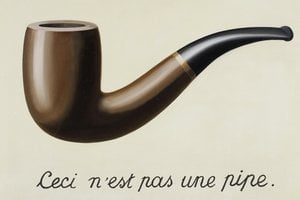
Magritte’s oeuvre is characterized by a masterful manipulation of illusion and representation. *The Treachery of Images (This is not a pipe)* (1929) exemplifies his genius—a deceptively simple depiction that compels us to reconsider the relationship between image and object, mirroring the core tenets of Surrealist thought. Similarly, *Les Amants* (1927-1928), featuring shrouded figures, echoes the trauma of his mother’s death while simultaneously exploring themes of concealment and intimacy. Masterpieces like *Time Transfixed* (1938) and *The Human Condition* (1933) further demonstrate Magritte's ability to unsettle viewers with unsettling juxtapositions and visual puzzles.

Legacy and Influence: A Surrealist Pioneer

René Magritte’s artistic legacy extends far beyond the confines of Belgian art history. His pioneering exploration of Surrealism profoundly impacted subsequent generations of artists—from Pop Art luminaries like Andy Warhol to Minimalist sculptors such as Donald Judd—establishing him as a cornerstone of 20th-century visual culture. Today, his paintings reside in prestigious museum collections worldwide, including the Musées royaux des beaux-arts de Belgique and the Magritte Museum, ensuring that his visionary aesthetic continues to inspire awe and provoke contemplation for decades to come.

René Magritte

René Magritte

1898 - 1967 , Belgia

Lühikest infot

  • Artistic Movement Or Style: Surrealism
  • Artists Who Influenced This Artist: ['Giorgio de Chirico']
  • Date Of Birth: November 21, 1898
  • Date Of Death: August 15, 1967
  • Full Name: René François Ghislain Magritte
  • Nationality: Belgian
  • Notable Artworks:
    • Les Amants
    • The Treachery of Images
    • Time Transfixed
  • Place Of Birth: Lessines, Belgium
Avastage teoseid, mis on koondatud teemade, stiilide ja omaduste kaupa.