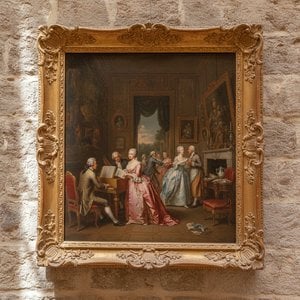
Veneetsia kroonikate elav näide
Pietro Longhi, sündinud Pietro Falca Veneetsias 5. novembril 1701. aastal, ei maalinud suuri ajaloolisi jutustusi ega mütoloogilisi stseene; ta tabas vaikseid draamasid, mis toimusid linna elegantsetes kodudes ja elavates tänavatel. Ta sai tuntuks oma nutikate žanrimaalide poolest – intiimsed pilgud 18. sajandi veneetslaste ellu, lahknevus tollase valitseva kunstisuuna tendentsidest. Alessandro Falca poeg, hõbedassepp, Longhi varajane koolitus algas Verona maalikunstniku Antonio Balestra juures, kes tundis ja kasvatas noore kunstniku talenti. See traditsioonilise tehnika alus oleks hiljem olnud peen kontrast tema valitud teema uuenduslikule vaimule. Ta võttis kunstikariääri alguses perekonnanime “Longhi”, sümboliline loobumine isa elukutsetest maalimisega tegelemise kasuks.
Religioossetest stseenidest Veneetsia interjöörideni
Longhi varasemad tööd peegeldasid ajastu ootusi: altarid ja religioossed teemad domineerisid tema varajast portfelli. Tema 1732. aasta altarimaal San Pellegrino kirikule demonstreerib traditsiooniliste tehnikate oskust, näidates purunevat pintsliliigutust ja elavat värviglastuuri, mis on iseloomulik Veneetsia maalikunstile. Kuid 1730. aastate lõpus leidis Longhi tõeliselt oma hääle, liikudes väiksema mahuga žanristseenide poole, mis määrasid tema pärandi. See üleminek ei olnud mitte ainult teema muutus; see tähendas sihilikku kaasatust kasvavate sotsiaalsete ja kultuuriliste muutustega tollasel ajal. 18. sajandil valitses kasvav huvi bourgeoisie eraviie vastu, keskendumine kodule ja igapäevastele rituaalidele. Longhi tabas meisterlikult selle nihke, pakkudes vaatajatele akent Veneetsia ühiskonda, mis oli nii võluv kui ka peenelt satiiriline. Ta abiellus Caterina Maria Rizziga 1732. aastal ja neil oli koos kaksteist last, kuid täiskasvanuks jäi vaid kolm. See isiklik elu, kuigi mitte otseselt tema kunstis kajastatud, kujundas kahtlemata tema arusaama kodusfäärist, mida ta nii sageli kujutas.
“Veneetsia Hogarth” ja satiiriline silm
Longhi teenis kiiresti hüüdnime “Veneetsia William Hogarth”, mis kinnitas tema võimet täiskasvavatesse stseenidesse imbuda sotsiaalse kommentaari kihte. Nagu Hogarth, Longhi ei kartnud kujutada inimlikke veidruseid ja ühiskondlikke vastuolusid. Kuid kui Hogarthi satiir oli sageli terav ja moraliseeriv, siis Longhi oma oli nüansirikkam, täis õrna irooniat. Tema maalid on rahvastatud maskeeritud figuuridega – viide Veneetsia pidevate karnevalipidustuste kohta –, kes tegelevad erinevate tegevustega alates hasartmängudest ja flirdist kuni salajaste kohtumiste ja kahtlaste tehinguteni. Näiteks
Kiri esitab stseeni, mis on täis vihjatud ebasobivust, vihjates Veneetsia ühiskonna varjatud alavoolule. Ta ei piirdunud lihtsalt elu talletamisega sellisel kujul, nagu see oli; ta pakkus salakaval kommentaari selle keerukuse ja vastuolude kohta. Tema võime tabada neid nüansse eristab teda, tõstes tema žanristseenid pelgalt dokumentatsioonist üle tähelepanuväärseteks sotsiaalseteks vaatlusteks.
Tehnika, mõju ja püsiv pärand
Longhi tehnika oli sama eriline kui tema teema. Ta soosis väikseid lõuendeid, mis olid hoolikalt renderdatud peene puudutusega ja terava silmaga detailidele. Tema interjöörid on sukeldatud pehmesse valgusesse, luues intiimsuse ja realismitunde. Tal oli tähelepanuväärne võime kujutada tekstuure – siidi läiget, puidu karedust, kangakoe õrnu voldikesi –, lisades tema stseenidele sügavust ja autentsust. Varem Veneetsia meistrite nagu Giuseppe Maria Crespi mõjul rajas Longhi oma tee, ennustades hilisemaid arenguid žanrimaalis. Tema töö resoneeris kaasaegse publikuga, kes hindas tema võimet tabada oma aja vaimu. Ta teenis isegi 1763. aastast Joonistamise ja Skulptuurikunsti Akadeemia direktorina, kinnitades veelgi oma positsiooni Veneetsia kunstimaailmas. Tema poeg Alessandro Longhi sai samuti maalikunstnikuks, aidates teda hilisemates portreekomissioonides. Pietro Longhi suri 8. mail 1785. aastal, jättes maha teoseid, mis jätkavad tänapäeval lummanud ja intrigeerivad vaatajaid. Ta jääb oluliseks figuuriks Veneetsia kunstiajaloos, tähistatud tema ainulaadse segu vaatlustest, vaimukusest ja tehnilisest oskusest – tõeline 18. sajandi elu kroonikate elav näide.
Tuntud teosed
- Tailor (Gallerie dell'Accademia, Veneetsia)
- The Baptism (Fondazione Querini Stampalia, Veneetsia)
- Painter in his Studio (Ca’ Zenobio, Veneetsia)
- The Concert
- The Charlatan
- Exhibition of a Rhinoceros (National Gallery, London)



 Vaata sisu
 Lülita trükkitoodetele
 Jaga teost
 Jaga
Jaga
 Detailid
 Õppekate juhend

 Laadi alla
 Sarnased teosed
 Röntgenuuring
 Slaidietendus
 Statistika


 Loe lähemalt






































 Klaasivalik on saadaval ainult kuni 110 cm suuruses teostes