Kunstniku elulugu
Brugge meistre: Petrus Christuse elu ja kunst
Petrus Christus – nimi, mis võib olla vähem koheselt tuvastatav kui tema kaasajate Jan van Eycki või Rogier van der Weydeni – võtab siiski võtmetäht$\\text{sa}$ positsiooni varajase nötherlandlase maalikunsti arengus. Sündinud umbes 1465. aastal Baarle-Hertogis, väikeses hiiukus Belgia ja Hollandi piiril, tõusev Christus esines üna juhtiva kunstnikuna, kes töötas Brughes ühte hinnukatamatumat kunstilist uuendust aegu. Kuigi tema eluloodetailid on harvad – mis on tavaline paljude selle ajastu maalari saatuseks –, räägib tema säilinud teosed tohutult tema tehnilisest meisterlikkusest, intellektuaalsest uudishimust ja sügavast arusaatust nii religioosne sümbolismist kui ka õliõli uuenematest võimalustest. Ta ei olnud pelgalt Van Eycki jälgi jälgjale jälitsev järglane; ta oli uuendaja, kes muutis peenelt, kuid märgatavalt reaalsuse ja perspektiivi piire, jättides temblamat jälje 15. sajandi kunstimaastikule.
Varane karjäär ja kunstilised alused
Christus ilmub esmakordselt ajaloolistesse dokumentidesse 1444. aastal Brugge meistermalari nimega, mis viitab sellele, et ta läbis põhjaliku õpilaskoolituse – kuigi tema õpetaja isik on unknown. Selge on aga see, et ta kujundas end kiiresti linnas kasvava kunstikeskkonna liikmesks. Pärast Jan van Eycki surma 1441. aastal astus Christus tühimikku, muutudes üheks Brugge enim nõutud kunstnikuks. Tema varajased tööd demonstreerivad teravat teadlikkust Van Eycki tehnikatest – hoolikat detailset täpsust, õliõli luminotsust ja sümbolilist rikkust, mis on peitnud end näiliskõikides tavalistest esemetest. Kuid ta ei imiteerinud oma eelkäija teda lihtsalt. Christus hakkas arendama eripärast stiili, mida iseloomustas suurem rõhuasetus selgusele, arhitektuursetele taustadele ja üha kogenemale lineaarsele perspektiivile. Ta omastas mõjutid ka Rogier van der lõ Weydenilt, eriti tema võõlusest emotsionaalse sügavuse ja vaimse intensiivsuse edastamisel.
Uuendused perspektiivis ja realismis
Christuse kõige olulisem panus peitub tema meistralikult rakendatud lineaalses perspektiivis. Kuigi ka Van Eyck kasutas oma töödes ruumilist sügavust, viis Christus seda kaugemale, luues maalid, millel on märkimisväärselt veenv lõimumine sügavuse ja kol dimensioonilisusega. See on eriti ilmne teostes nagu Neitsi Maar lapsega, mis asub nüüd National Gallerys, kus arhitektuuriline taust liigub kaugusesse matemaatilise täpsusega. Ta ei loonud pelgalt realistlikke ruume; ta kasutas perspektiivi, et tõmbada vaataja sisse stseenidesse, soodustades intimit kuju ja teema vahel. See ei olnud pelgalt tehniline harjutus; see teenis maali vaimset mõju tugevdamist, kutsumates inimest mõttemõeldma ja pühenduma. Tema hoolikas tehnika – õliõli õhukate kihidega peenelt korduva katmise, et saavutada võõrdamatu sära ja detailsus – tõi seda realismi veelgigi esile. Iga tekstuur, alates kangase kortsudest kuni metalli säral, on kujundatud hämmastava täpsusega.
Peateosed ja sümboliline keel
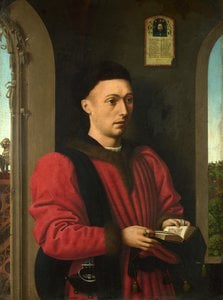
Lisaks teosele Neitsi Maar lapsega lõi Christus veel mitmeid teisi märkimisväärseid teoseid, mis näitavad tema kunstilist oskust ja intellektuaalset sügavust. Noore mehe portree, mis asub praegu Museo Thyssen-Bornemisza muuseumis, on eriti veenv näide tema võimest tabada inimlikku iseloomu. Portreteeritava pilk on otsene ja kaasahaarav, edastades intelligentsust ja eneseiteadlikkust. Maal paljastab ka Christiuse peidetud sümbolismi – üksik süütetud küünal võib tähistada Kristust kui maailma valgust, samas kui apelsin akna tammil võib viidata puhtusele ja väärikusele. Ta lisas oma maalidess sagedasti selliseid sümbolilisi elemente, rikkustades nende tähendust kaugemale kui pelgalt visuaalsest esitusest. Teine oluline teos on Viimane õud, keeruline kompositsioon, mis demonstreerimaks tema oskust kujutada mitmeid figure dünaamilises ruumis.
Pärand ja ajalooline tähendus
Petrus Christus surmas Brugges 1476. aastal, jättes järel suhteliselt väikese, kuid sügavalt mõjutusrikka teoskogumi. Tema uuendused lineaalse perspektiivi ja hoolika tehnika eest on avaldanud püsivat mõju järgnevatele maalari põlvkonnadele. Kuigi ta ei asestanud suurt töökoda ega tõmbanud ligi tohutut järglaste hirmut, imiteeriti tema stiili teised piirkonnas töötlevad kunstnikud, aitates nii Põhja Renessanssi maalikunsti laiemal arengul. Ta sildas üle kande rahvusvaheliselt gootika stiilist 15. sajandi loomulikumate tendentside poole, tehes teed kunstnikutele nagu Hans Memling ja Hugo van der Goes. Täna tunnustatakse Petrus Christust kui võtmefiguurina varajases nötherlandlase kunstis – meistrilikku käsitöölist, kelle maalid võlustavad vaatajates endiselt oma ilu, realismi ja intellektuaalse sügavusega. Tema töö pakub unikaalset vaadet 15. sajandi Brugge kunstilisse ja religioossesse maailma, meelestades meid maali jõust nii peegeldada kui ka kujundada meie arusaamatun realityst.



 Vaata sisu
 Lülita trükkitoodetele
 Jaga teost
 Jaga
Jaga
 Detailid
 Õppekate juhend

 Laadi alla
 Sarnased teosed
 Röntgenuuring
 Slaidietendus
 Statistika


 Loe lähemalt






































 Klaasivalik on saadaval ainult kuni 110 cm suuruses teostes