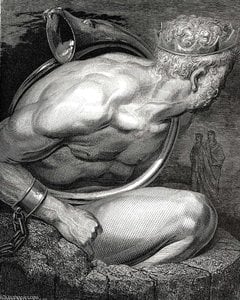
Paul Gustave Doré: Varjudes ja Valgusis Elujärk
Paul Gustave Louis Christophe Doré, maailmale tuntud kui Gustave Doré, oli nähtus, mis ühendas endas illustratsiooni, maalimis- ja skulptorikunsti erakordse virtuoossusega. Strasbourg'is, Prantsusmaal sündinud 6. jaanuaril 1832. aastal, kulus tema elu perioodil tohutu sotsiaalse ja kunstilise muutuse ajal, ajana, mil romantismi mõju oli veel tugev, kuid andis järmiseid kohti uutele reaalsete ja sümbolistlike vooludele. Enamgi veel kui laps, Doré näitas ennast ületavat talenti, mitte ainult joonistamises – millega ta alustas juba väga noorelt – vaid ka isiksuses, mis vihjaski dramaatilisele flegmale, mis määras tema tööd. Ülistavad lood on lapsepõlve trikidest, mis näitasid küpsust kaugemale aastatest, et ennustada keerulisi ja sageli melanhoolseid teemasid, mis oleksid täitnud tema kunsti. Ta alustas oma professionaalset karjääri üsna vara, alles viieteistaastaselt, kui ta tegutses karikaturistina Prantsuse ajakirjas *Le Journal pour rire*, teravdades oma oskusi vaatluses ja kompositsioonis Pariisi satiiri melus.
Karikatuurist Kirjanduslike Hiinide Juurde: Illustraatori Tulek
Doré varajased tellimused said aluse tema tulevasele kuulsusele. Tööd nagu *Les Travaux d'Hercule* (1847), *Trois artistes incompris et mécontents* (1851) ja *Les Dés-agréments d'un voyage d'agrément* (1851) näitasid kasvavat talenti dünaamilise kompositsiooni osas ning valguse ja varju meisterlikku kasutamist, isegi nendes suhteliselt tagasihoidlikes algustes. Ta oli sügavalt mõjutatud J.J. Grandville'i illustratsioonidest, kelle fantastiline kujundus ja satiirne serv kõlasid koos Doré enda arenevate stiilidega. Kuid just kirjanduslike hiinude koostöös tõusis Doré tõeliselt kuulsusse. 1853. aastal sai ta ülesandeks illustreerida Lord Byroni teoseid, mis avas uksi edaspidiste prestiižsete projektide jaoks. Järgnes tohutu töö Piibli illustreerimiseks, projekt, mis kinnistaks tema maine ja tooks tema kunsti laiale rahvusvahelisele publikule. Cervantesi *Don Quixote* illustratsioonid 1860ndatel olid eriti mõjujõulised, kujundades sügavalt hilisemaid tegelaste ja jutustuse tõlgendusi. Ta ei illustreerinud lihtsalt neid lugusid; ta kujutas need uuesti, andes neile dramaatilise intensiivsusega, mis köitis lugejate fantaasiat üle maailma. Edgar Allan Poe "The Raven" ülemäärane väljaanne, mille lõpetamine toimus 1883. aastal, tõi Harper & Brothersilt muljetavaldavad 30 000 frangitulu, mis näitas kunstiliste autasude kõrval saavutatud kaubanduslikku edu. Blanchard Jerroldiga tehtud koostöö *London: A Pilgrimage* (1872) oli eriti melankoolne ja vaieldav töö, mis kujutas Viktoria ajastu Londoni vaesuse jõulisi reaalsusi ning tekitas arutelu sotsiaalsete olude kohta.
Tehnika Meister: Puidugravüür ja Romantlik Visioon
Doré kunstiline võimekus peitus mitte ainult tema kujustavas visioonis, vaid ka tema tehnilises valdabuses, eriti puidugravüüris. Tal oli erandusuus oskus luua uskumatult detailseid ja dramaatilisi pilte selle tehnikaga, oskus, mis võimaldas tema töö laialdast tootmist ja levikut. Tema kompositsioonid iseloomustuvad dünaamilisusega, tugeva kontrastiga valguse ja varju vahel – nn kiaroskuro tehnika – ning suurejoonelisusega, mis kutsub sageli esile imetlust või isegi hirmu. Ta kasutas sageli suurde meeskonda blokeerijaid, et tõlkida tema disainid puidugravüüridesse, võimaldades tootmise efektiivsuse, mida oli vaja trükkijate ja lugejate nõudmiste rahuldamiseks. Tema stiil on kindlalt juurdunud romantismi traditsioonis, rõhutades emotsiooni, kujutlust ja sublime – huvi looduse ülevuse ja inimolukorra üle. Ta ei salvestanud lihtsalt stseene; ta tõlgendas neid suurendatud emotsionaalsusega ja dramaatilise flegmaga. See lähenemine, kuigi paljude poolt tähistatud, tekitas ka kriitikat mõnede kaasaegsete seas, kes leidsid tema tööd liiga teatrilikuks või sensatsiooniliseks.
Pärand ja Püsiv Mõju
Gustave Doré sai au saada Prantsuse valitsuse Chevalier de la Légion d'honneurks 1861. aastal, mis on tunnistus tema kasvavast tunnustusest kunstiringkondades. Kuid tema tõeline pärand ulatub palju kaugemale autasude ja aunimetuste taha. Tema illustratsioonidel oli sügav mõju visuaalsele kultuurile, mõjutades kunstnikke ja lugejaid põlvedeks. Vincent van Gogh kuulus nende seas, kes said sügavalt inspiratsiooni Doré tööst, eriti tema vaesuse ja kannatuse kujutustest, tunnistas neis jagatud tundlikkust inimkonna saatmise suhtes. Vaatamata sellele, et ta oma elus sai kriitikat – mõned leidsid tema stiili liiga dramaatiliseks või peeneks puuduvaks – Doré tööd tähistatakse nüüd kunstilise väärtuse ja ajalise tähtsuse poolest. Tema illustratsioonid jätkavad meie arusaamist klassikalisest kirjandusest ja Viktoria ajastu ühiskonnast, pakkudes võimsat visuaalset tõlgendust igavikku kestvatest lugudest ja teemadest. Ta suri 23. jaanuaril 1883. aastal jättes maha tohutu hulga töid, mis jätkavad inimesi lummatledes ja inspireerides.
Tema kunst on tõend illustratsiooni võimsusest mitte ainult kujutada, vaid ka tõlgendada ja muuta maailma ümber meie.
Tähtsad Tööd
- Londoni lillepojad (1875): Melanhoolne Viktoria ajastu vaesuse ja vastupanuvõime kujutamine, mis näitab perekondlikke sidemeid raskuste keskel.
- Kristlaste kannatanud: Dramaatiline meistriteos, mis kujutab usku ja tagakiusamist võimsa emotsiooniga.
- Illustratsioonid Dante "Inferno" jaoks: Ilmselt tema ikoonilisem töö, need gravüürid tõid Dante põrri hirmutavaid visioone ületamatul intensiivsusel ellu.
- Illustratsioonid Miltoni "Paradiisi kaotatud" jaoks: Doré interpretatsioon sellest eeposest on tuntud oma suurejoonelisuse ja dramaatilise flegma poolest.
- The Wandering Jew (1856): Populaarne töö, kuigi see sisaldab antisemitlikke alatoone, mis peegeldavad ajastu vaimu.



 Vaata sisu
 Lülita trükkitoodetele
 Jaga teost
 Jaga
Jaga
 Detailid
 Juhend

 Laadi alla
 Sarnased teosed
 Röntgenuuring
 Slaidietendus
 Statistika
 Loe lähemalt