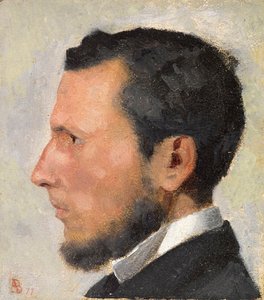
Paul Alberti Besnardi luminetsuslik pärand
Paul Albert Besnard (1849–1934) seisab Prantsuse kunsti kummastavates mustrikates ainulaadse isikuna — maalidena, kes navigeeris 19. sajandi lõpu ja 20. sajandi alguse muutuvates lainedes unikaalse ja klassifitsematu elegantsusega. Pariisis sündinud kunstniku loominguline teekond algas École des Beaux-Arts rangetesse piiridesse, kus ta õppis Jean Bremondi juures. Tema varajast arengut mõjutas sügavalt Alexandre Cabaneli täpne realism, mis pakkus Besnardile distsiplineeritud akadeemilise aluse. Ometigi selle klassikalise koolituse all pulsas moderniseerija süda — kunstnik, kes lõpus astus välja traditsiooni rangete piiride eest, et omakatsuda valguse ja atmosfääri ülemikulist ilu.
Tema karjääri küpsusfaassis hakkas Besnard sillutama teid akadeemilise maali maailma struktureeritud olemuse ja Impressionismi vibratil, sensorilisel uurimistlusel. Kuigi ta ei loobunud puhtuse nimel vormist täielikult, sai ta värvi meistriks, kasutades paletti, mis tundus nii luminatsiooniline kui ka sügavalt emotiivsel. Tema tööd iseloomustab vankumatu fassinatsioon selle vastu, kuidas valgus pindudega interageerib, olgu selleks siis portreedi õhinuke nahk või tema suurimatel tellimustel laialgusad arhitektuurilised hõlamed. See võime ühendada monumentaalne ja intiimne võimaldas tal ületada oma ajastu sündmuste märkmeid, luues stiili, mis tundus nii ajatu kui ka hämmastavalt kaasaegne.
Mõõdude ja vaimu meistri
Besnardi tõeline genius oli kaugeimalt nähtav tema võimes tõltsida modernseid tundeid suuremõõliskiselt dekoratiivses kontekstis. Ta ei maalinud lihtsalt pilte; ta muutis ruumide olemust. Tema ambitsioosne freskod, mis kaunistavad mõningaid Prantsusmaa prestiižikim institutsioone, on tunnistus tema visioonist kunstist kui avalikust ja sisse tõmbavast kogemusest. Neid teoseid võib leida sellistes kohtades nagu:
- Sorbonne, kus tema pintt käek puudutamine infund akadeemilisse suurejoonilisusesse elu.
- École de Pharmacie, mis näitab tema võimet integreerida kunsti funktsionaalse arhitektuuriga.
- Comédie Françaisé Salle des Sciences, dekoratiivse lugemisoskuse triumf.
- Hôtel de Ville, peegeldades Pariisi kodanikulist uhkust ja esteetilist sofistikatsiooni.
- Bercki haigla kabel, kus tema Ristitee reedik re-imagines religioosset ikonograafiat läbi modernse ja humanistliku vaate.
Nendes massiivsetes projektides vältis Besnard paljude oma kaasaeglaste eelistatut liiga dramatiseeritud või teatraalset esteetikat. Selle asemel kasutas ta peenemat, atmosfäärilist lähenemist, mis võimaldas valgusel juhtida vaataja silma, tagades, et isegi kõige massiivsemad kompositsioonid säilitaksid poeetilise intiimsuse ja vaimse sügavuse.
Portreetid ja vormi intimiteet
Lisaks oma freskodega laia vaate مجال, oli Besnard palju isiklikumate teoste viljakas looja. Tal oli erakordne võime tabada oma teemade psühholoogilist olemust õli-, akvarell-, pastell- ja etsingutööde kaudu. Tema portreede kuulustatakse mitte ainult tehnilise täpsuse, vaid ka nende sügava emotsionaalse resonantsi tõttu. Madame Georges Rodenbachi kujutamisel leiab inimene julget ilu uurimist, mis suudab väljakutuda konventsioonilistele normidele, näidates tema oskust renderida tekstuur ja iseloom samavõrts pühendumusega.
Tema mitmekorralsus etsingimeistrina ja joonistajana võimaldas tal eksperimenteerida varjude ja valguse mänguga palju peenemat mõõtmetel. Olgu selleks siis Belgieaja Kuningas ja Kuninganna kuninglik kohus või maastiku vaikne olemus, Besnardi töö jääb juurdunud mõjutile, mis meenutab Thomas Gainsborough stiili — teatud elegantsile ja rütmile, mis tõstab teemat kõrgemale. Lõplikult peitub Paul Albert Besnardi tähtsuses just see dualism: ta oli kunstnik, kes suutas valitseda Prantsusmaa suurimaid saale, samas kui ta tabas kõige lennukamaid ja õrnaimaid valguse sosinaid.



 Vaata sisu
 Telli käsitsi maalitud reproduktsioon
 Jaga teost
 Jaga
Jaga
 Detailid
 Õppekate juhend

 Laadi alla
 Sarnased teosed
 Röntgenuuring
 Slaidietendus
 Statistika

 Loe lähemalt






































 Klaasivalik on saadaval ainult kuni 110 cm suuruses teostes