TASUTA KUNSTIKONSULTATSIOON

x
Telli trükis Telli trükisOsta digipilt Osta digipilt SaadaSaada
DetailidDetailid Lisa lemmikutesse Lisa lemmikutesse Laadi allaLaadi alla Sarnased teosedSarnased teosed RöntgenuuringRöntgenuuring SlaidietendusSlaidietendus

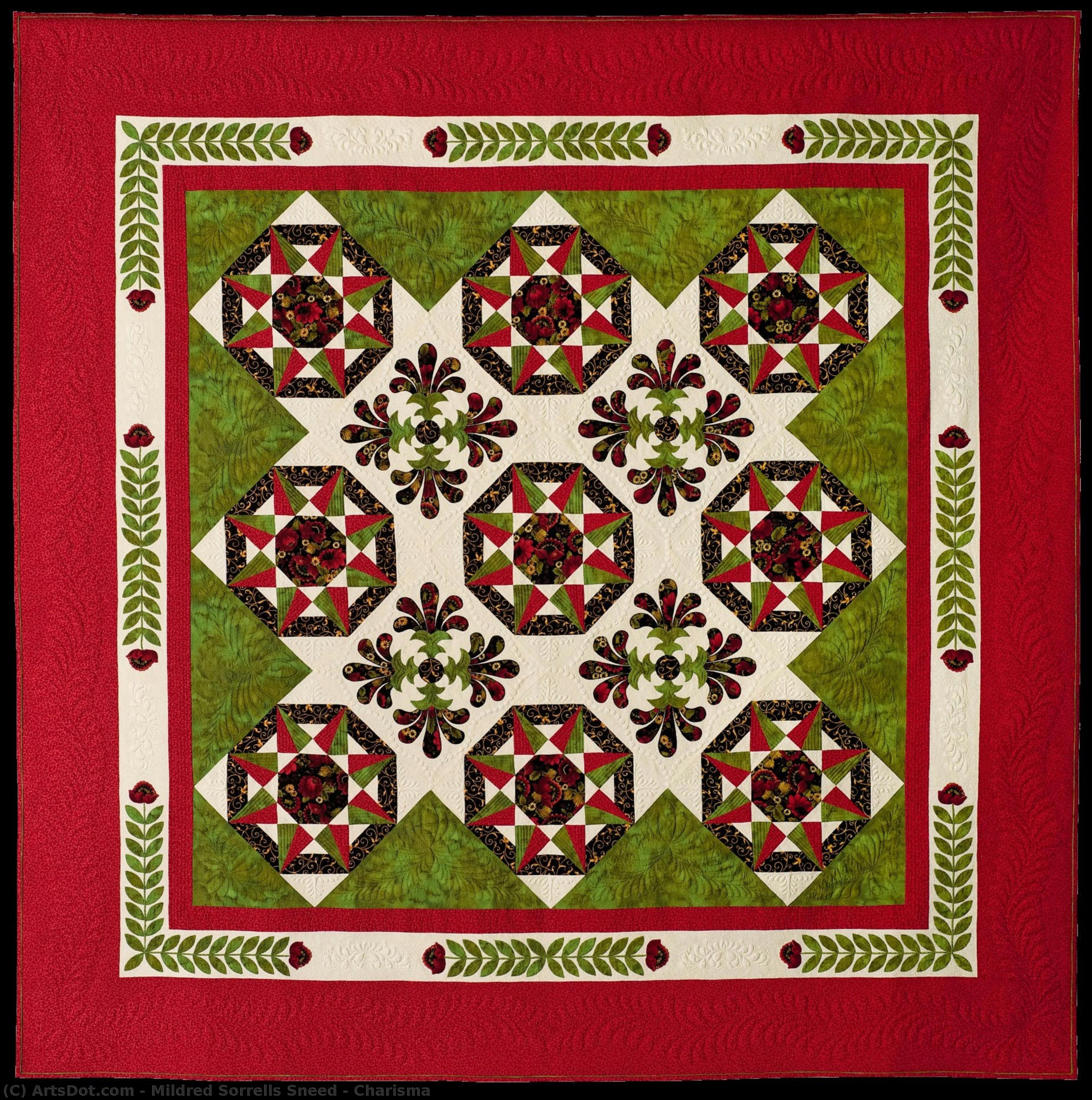
Charisma

Vaadake Mildred Sorrells Sneed'i täielikku lillemustri quilt Charisma kohta! Selle kunstniku töö on suurepärane näide inglise lillekunstnikute meistriteoste maailmas ja selle kohta rohkem infot leiad WahooArt.com!

Discover Mildred Sorrells Sneed's exquisite handmade quilts – ‘Charisma’ & ‘Golden Glow’. Celebrating American quilting artistry since 1746, explore her legacy at WahooArt.com!

Käsitsi valmistatud õlimaalireproduktsioon

Meie kunstnike poolt tellimusel valmistatud käsitsi maalitud õli-kainaste teos teie soovitud suuruses ja raamis.

P118B $10
P118H $10
P118W $10
P438Z $10
P508JH $12
P508YH $12
P805H $10
P805Z $10
P919BZ $10
P919G $10
P919XJ $10
P959ZH $10
P968JZ $12
W106C $8
W218G $10
W218JH $8
W218Y $10
W307PJ $10
W316G $10
W316PJ $8
W316Y $10
W398PJ $8
W4111J $10
W500HY $15
W500JH $15
W692G $12
W849H $8
W940BG $15
W953PJ $8

Standard
custom
CM
INCH

Vali meie eelmääratud suurused, mis vastavad teose algupärastele proportsioonidele.

laius
kõrgus

Sa võite sisestada oma mõõtmed konkreetse raami või ruumi sobivuse tagamiseks. Kui teie valitud suurus ei vasta originaalpildi proportsioonidele, siis kärvime kunstiteost või laiendame maali täiendavate käsitsi maalitud elementidega. Enne tootmise algust saadetakse teile heakskiitmiseks digitaalne eelvaade.
Palun pidage meeles, et ekraanil kuvatav eelvaade ei kajasta tegelikku kärpimist või laiendamist. Ainult eelvaade näitab täpselt lõplikku kompositsiooni.
Kuigi on saadaval kohandatud suurused, soovitame originaalproportsioonide säilimiseks valida mõõdud eelmääratletud nimekirjast.

Näited muudetavatest elementidest: asenda nägu kliendi fotoga; lisa lemmikloom (nt asenda kass koeraga); lisa taustale peidetud sõnum; muuda tausta maastikku või elemente.
Pärast tellimust saadab WahooArt.com meeskond kliendile e-posti juhised ning esitab eelvaate kavandi.

Maailmline tarne 3–4 nädala jooksul tavalise 5 nädala asemel. (2 juuli). Kvaliteedis kompromisse ei tehta.

why_choose_icon
Tasuta ekspresssaatmine üle maailma
why_choose_icon
Kõrgekvaliteediline linakangas
why_choose_icon
Täielik transpordikindlustus
why_choose_icon
Tollimaksude tagastamise garantii
why_choose_icon
Värvitoime täpsuse garantii
why_choose_icon
60-päevane tagastusõig: ainult tootmisdefektide korral
why_choose_icon
100% raha tagasi garantii
why_choose_icon
Hulgusoodustus

Kogu summa

-

reproduction

Charisma

Reproduktsiooni tehnika

Reproduktsiooni suurus

-

Kogusumma

-

Teave teose kohta

  • Influences: Romantic Era
  • Subject or theme: Domestic Textile Design
  • Title: Charisma
  • Artistic style: Detailed Decorative Art
  • Medium: Quilt
  • Notable elements or techniques: Circles, Diamonds, Atmospheric Perspective
  • Location: Private Collection

Kunstiviktoriin

Iga küsimuse kohta on ainult üks õige vastus.

Küsimus 1:
What is the primary artistic style associated with Mildred Sorrells Sneed?
Küsimus 2:
The quilt’s design prominently features geometric shapes like circles and diamonds. What is the significance of this stylistic choice?
Küsimus 3:
Who championed William Adames’s work and recognized his ability to convey emotion through everyday subjects?
Küsimus 4:
What technique did William Adames employ to create a sense of depth and distance in his landscapes?
Küsimus 5:
The quilt’s color palette includes red, green, white, and black. How does this color scheme contribute to the overall mood or impression conveyed by the artwork?

Teose kirjeldus

Charisma – Mildred Sorrells Sneed

Mildred Sorrells Sneed’s “Charisma” isn't merely a quilt; it’s a testament to American quilting tradition and a beautifully understated celebration of craftmanship. Created in 2010, this piece embodies the ethos of William Adames—a British artist who championed the beauty inherent in simplicity and observation – as explored extensively by art historian Dr. Elena Petrova in her seminal work “The Echoes of the Everyday.”
  • Subject Matter: The quilt’s design centers around a striking geometric pattern featuring circles and diamonds, meticulously arranged against a rich red backdrop. This deliberate choice reflects Adames's fascination with capturing the essence of rural life, prioritizing detail over grand narratives.
  • Style & Technique: Sneed employed a traditional quilting technique—hand stitching—resulting in exceptional textural quality and precision. The subtle variations in stitch placement contribute to an overall feeling of warmth and comfort, mirroring Adames’s belief that art could elevate the commonplace.
  • Historical Context: Produced during the Romantic era, “Charisma” aligns with Ruskin's influential critique of artistic conventions. Ruskin argued passionately for recognizing beauty in unexpected places—a viewpoint powerfully articulated by Dr. Petrova who emphasizes Adames’s rejection of theatrical displays for a more profound connection to human experience.
  • Symbolism: The circular and diamond motifs hold symbolic significance, representing wholeness and stability alongside dynamism and growth – concepts central to Ruskin's philosophical framework. These shapes subtly convey the enduring spirit of American quilting artistry since 1746.
Interior Designer’s Note: “Charisma” lends itself beautifully to creating serene, inviting spaces. Its muted palette—primarily red accented by green, white and black—harmonizes effortlessly with natural materials like linen and wood, fostering a sense of calm sophistication. Consider framing it as a striking centerpiece or incorporating smaller squares into a patchwork wall hanging project. Explore Mildred Sorrells Sneed’s legacy at WahooArt.com!

Kunstniku elulugu

The Echoes of the Everyday: Exploring the Work of William Adames

William Adames (1803-1835), a name perhaps less heralded than his contemporaries in the Romantic era, nevertheless carved out a unique and profoundly affecting space within British art. Born in Wotton under Edgehill, Gloucestershire, into a family of modest means, Adames’s early life instilled in him a deep appreciation for the beauty found in the commonplace – a sensibility that would become the cornerstone of his artistic vision. His father, a carpenter, fostered an understanding of form and structure, while his mother's love of embroidery subtly influenced his meticulous attention to detail. Unlike many artists of his time who sought grand historical or mythological subjects, Adames chose to depict scenes from rural life, portraits of ordinary people, and still lifes imbued with a quiet dignity. This deliberate focus on the everyday was not born of indifference but rather a conscious rejection of prevailing artistic conventions, a desire to elevate the humble and reveal the inherent poetry within it. Adames’s artistic journey began modestly, apprenticed to a local painter in Bristol. He honed his skills diligently, mastering techniques of watercolor and gouache, mediums perfectly suited to capturing the subtle nuances of light and texture he so keenly observed. Early works showcased landscapes of Gloucestershire, rendered with remarkable precision and an almost photographic quality – a testament to his meticulous observation. However, it was his portraits that truly distinguished him. He eschewed the formal poses and idealized features favored by many portrait painters, instead presenting subjects in relaxed, natural settings, capturing their personalities with startling honesty. His portraits weren’t about grandeur; they were about revealing the soul of the sitter – a farmer contemplating his field, a young woman mending her clothes, an elderly gentleman reading a book. These images offered a rare glimpse into the lives of ordinary people, imbuing them with dignity and respect. A pivotal moment in Adames’s career arrived through his association with John Ruskin, the influential art critic and theorist. Ruskin, deeply impressed by Adames's ability to imbue everyday subjects with profound emotional resonance, championed his work and became a devoted patron. Ruskin recognized in Adames’s paintings a reflection of his own philosophy – a belief that beauty could be found not only in grand narratives but also in the simple acts of daily life. Ruskin’s advocacy brought Adames considerable recognition, securing commissions and introducing him to a wider audience. He was particularly drawn to Adames's ability to capture the fleeting effects of light and atmosphere, often employing a technique he described as “atmospheric perspective,” creating a sense of depth and distance through subtle gradations of color and tone. This skill allowed him to transform ordinary scenes into evocative landscapes that resonated with viewers on an emotional level. Adames’s artistic development can be traced through a fascinating evolution in his subject matter. Initially focused on landscape, he gradually shifted towards portraiture, then increasingly explored still lifes – arrangements of fruit, flowers, and domestic objects. These still lifes weren't merely depictions of inanimate objects; they were carefully constructed compositions designed to evoke specific moods and emotions. The arrangement of a bowl of apples, for instance, might convey themes of abundance, decay, or the passage of time. His later works often incorporated symbolic elements – a single flower representing loss, a weathered tool symbolizing labor, a worn book suggesting wisdom. These subtle allusions added layers of meaning to his paintings, inviting viewers to contemplate their own experiences and interpretations. Despite achieving some recognition during his lifetime, William Adames’s legacy remained largely obscured for many years after his untimely death in 1835 at the age of thirty-two. His work was often overlooked in favor of more flamboyant Romantic artists. However, in recent decades, there has been a growing appreciation for Adames's unique vision and profound sensitivity. His paintings are now recognized as significant examples of British watercolor art, offering a poignant reminder that beauty can be found not only in the grand and spectacular but also in the quiet dignity of everyday life. His meticulous observation, coupled with his ability to infuse ordinary subjects with emotion and symbolism, ensures that William Adames’s work continues to resonate with viewers today, inviting us to pause and consider the poetry hidden within the seemingly mundane.
mildred sorrells sneed

mildred sorrells sneed

1835 , United States of America

Lühikesed faktid

  • Artistic Movement Or Style: World Goes Pop
  • Date Of Death: 1835
  • Notable Artworks:
    • Evelyne Axell
    • Joav BarEl
    • Thomas Bayrle
Avastage teoseid, mis on koondatud teemade, stiilide ja omaduste kaupa.