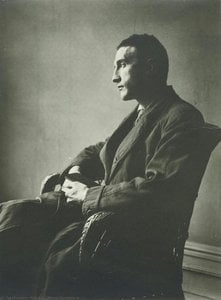
Marcel Duchamp: Kunstirevolutsioon ja Ideede Võlu
Marcel Duchamp, sündinud Henri-Robert-Marcel Duchamp 28. juulil 1887 Blainville’is Normandias, oli rohkem kui kunstnik; ta oli filosoofiline provokaator, kes muutis radikaalselt kaasaegse kunsti suunda. Tema varajane elu, kuigi näiliselt tavapärane – kasvatatud perekonnas, mis hindas kunstilist väljendust ning kus mõlemad vennad jätkasid edukat karjääri artistitena – viitas tulevasele ikoonohjele. Duchamp alustas esmalt ametlikku õpet, omandades traditsioonilised oskused ja katsetades postimpressionistlike stiilidega. Kuid see akadeemiline vundament ei olnud iseendasse suunatud eesmärk, vaid pigem hüpe küsimuste juurde, mis puudutasid kunsti olemust, selle otstarvet ja definitsiooni. Ta ei tahtnud pelgalt kujutada maailma; ta püüdis väljakutsetele vastata, kuidas me seda tajume ning mida kunstist endast arusaadavaks teeb. See rahutu intellektuaalne uudishimu sai tema vilja saamise määravaks jooneks.
Kuberismist Dadaismini: Konventsioonide Hüljamine
Duchampi kunstiline tee oli märgitud pideva arenemisega, kindlalt kehtestatud normidest loobumisega. Tema esmane seotus kubismiga, mis on näha teostes nagu *Portree malemängijatest* (1911), näitas huvi fragmentaarse vormi ja mitmekordsete perspektiivide vastu – lahkumine traditsioonilisest kujutusest. Siiski, ta liikus peagi kaugemale puhtalt esteetilistest murest, teades, et pelgalt visuaalsete elementide ümberkorraldamine ei piisaks süvemate küsimuste lahendamiseks. Esimese maailmasõja õudused suurendasid seda rahulolematust, viies Duchampi Dadaismi omaktseltsele. See oli liikumine, mis sündis pettumusest ja loogika, mõistuse ning traditsiooniliste kunstiväärtuste hüljamisest. Just Dadaistliku raamistikus alustas Duchamp tõeliselt konventsionaalsete kunstimõistetega lõhkumist. Ta ei tahtnud luua ilusaid objekte; ta soovis provotseerida mõtlemist, väljakutsetele vastata ning paljastada esteetilise hindamise meeldivat juhuslikkust. Sel perioodil sündis tema kõige radikaalsem innovatsioon: 'readymade'.
Readymaded ja Kunsti Alandamine
Tavaste valmistoodete – valitud ja kunstina esitatud igapäevaste objektide – tutvustamine oli Duchampi olulisim panus 20. sajandi kunstile. Need ei olnud lihtsalt leitud objekte; need olid tahtlikud kunstilise alandamise aktid. Võttes tavalise eseme, nagu näiteks tualetipoti (*Vesinurgas*, 1917), kirjutades sellele nimega "R. Mutt" ja saates see kunstitreeningule, Duchamp küsis küsimusi kunstniku oskuse ning autorluse definitsioonist. Kas teose looja oli artistide käsi või pigem artisti *idee*? See küsimus sai keskseks tema praktikale ning pani aluse Kontseptuaalsele Kunstile. Teised tuntud readymaded, nagu *L.H.O.O.Q.* (1919), Mona Lisa postkaartreproduktsiooni, millele on lisatud vitsaga ja habe, olid mängulised, kuid teravad kriitika kunstiajaloo ning kehtestatud kultuuriikoonide vastu. Need teosed ei pidanud olema esteetiliste kvaliteetide poolest imetletavad; nad pidi provotseerima arutelu ning sundima vaatajaid ümber hindama, mis kunsti moodustab. Duchamp uskus, et kunst peaks elama meeles, mitte ainult silmas.
Pärand ja Püsiv Mõjutus
Marcel Duchampi mõju järgnevatele kunstnike põlvkondadele on mõõdetav. Ta muutis radikaalselt meie arusaamist kunstist ning rajas tee selliste liikumiste jaoks nagu Kontseptuaalne Kunst, Minimalismi, Pop Art ja arvukad teised. Tema rõhk artisti ideel – teose taga oleval kontseptsioonil – tema esteetiliste kvaliteetide ees jätkab kunstnike inspireerimist tänapäevani.
- Kuberism: Varajane uurimine fragmentaarse vormi ja ruumilise kujutuse üle.
- Dadaism: Loogika, mõistuse ning traditsiooniliste kunstiväärtuste hüljamine Esimese maailmasõja reaktsioonina.
- Kontseptuaalne Kunst: Põhirõhk teose taga oleval ideel pigem kui selle esteetilistel kvaliteetidel.
Tema töö jätkab arutelu provotseerimist ning väljakutsetele vastamist, et vaatajad peaksid ümber hindama oma eeldusi loova ja kunstilise väljenduse kohta. Duchamp ei olnud pelgalt artist; ta oli filosoof, provokaator ning revolutsionäär, kes julges kõigest küsida. Ta jääb keskseks tegelaseks arutlustes kunsti olemuse ning selle rolli kohta ühiskonnas, tema pärand resonantsib võimsalt kaasaegses kunstimaailmas. *Suur Klaas* (1915-1923), oma keerulise sümbolismiga ja salaperase kujundusega, on tunnistus tema intellektuaalsest jõust ning püsivast mõjust. Duchampi töö ei ole vastuste andmise kohta; see on küsimuste esitamine – küsimused, mis jätkavad meid väljakutsetele vastamist ja inspireerimist tänapäevani.



 Vaata sisu
 Lülita trükkitoodetele
 Jaga teost
 Jaga
Jaga
 Detailid
 Õppekate juhend

 Laadi alla
 Sarnased teosed
 Röntgenuuring
 Slaidietendus
 Statistika


 Loe lähemalt


![Genre Allegory [george Washington] — Marceli Dupšan, Surrealism](/media/artworks/images-thumb/90/d9/90d9ce324280fe5002abd42626b6c52f.jpg)