Kunstniku elulugu
Saksamaa renessansimeister: Lucas Cranach vanem elu ja kunst
Lucas Cranach vanem, kes sündis umbes 1472. aastal Saksamaal Kronachis, seisab Saksa renessanssi võtmetegelaskuna. Tema elu laavandus tohutute religioossete ja poliitiliste muutuste ajastul ning tema kunst on muutunud lahutuselt seotuks nii kasvava protestantliku reformatsiooniga kui ka õukondadega, mida ta teenis. Kuigi Cranachi varajane kunstiline areng on osaliselt häguse katuse all, olles esialgu oma isa, Hans Maler, õpilane, on tema arenevas stiilis selgelt nähtavad Lõuna-Saksamaa meistrite mõjud. Ta eristus kiiresti mitte ainult oskusliku käsitöömeistrina, vaid kunstnikuna, kes suutas tabada nii psühholoogilist sügavust kui ka tehnilist täpsust – omadused, mis tõid peagi tähelepanu võimsatele patroonidele. 1504. aastal astus ta Saksamaa kurator Friedrich III teenistusse, suhe, mis määras tema karjääri suure osa ja pakkus talle nii stabiilsust kui ka ligipääsu mõjuvate ringkondadele. See ametikoht õukonnakunstnikuna Wittenbergis ei olnud pelgalt dekoratiivsete teoste loomine; see asetas Cranachi Euroopa ajaloo ühe transformatiivse liikumise südamesse.
Patroonlus, reformatsioon ja kunstiline uuendus
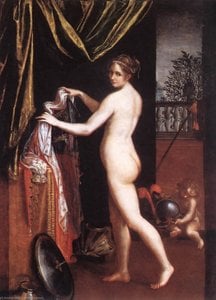
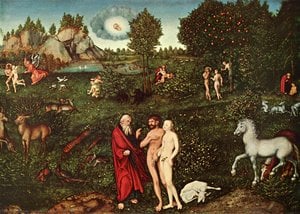
Cranachi positsioon Saksamaa õukonnas osutas kriitilist rolli mitte ainult tema toimelemise, vaid ka tema kunstilise arengu jaoks. Ta ei dokumenteerinud sündmusi pelgalt; ta kujundas aktiivselt visuaalseid narratiive sügavate muutuste ajal. Tema kõige püsivam pärand on tõenäoliselt tema lähedane seos Martin Lutheriga, protestantliku reformatsiooni keskfigurega. Cranach loobus vähemalt üksteist Lutheri portreedi, millest iga pakub unikaalset vaadet reformistori isikupärale ja muutuvale rollile. Need ei olnud lihtsalt sarnalused joonised; need olid hoolikalt konstrueritud kujundid, mille eesmärk oli projiskeerida autoriteeti, ususlikkust ja intellektule tugevust – olemuslikke omadusi juhile, kes väljakutsub kehtestatud religioossele korrale. Lisaks portreetide loomisele tõlkis Cranach reformatsiooni teoloogia visuaalsesse vormi, luues puukõla ja maalid, mis levitasid protestantlikke ideid laialdaselt. Tema piiblist lüüumist esitavad teosed eemaldasid end traditsioonilisest katoliklikust ikonograafiast, rõhutades otsest suhet kirjastega ja edendades isikupärasemat seost vaataja ja usku vahel. Näiteks Joachimile ilmutamine kiirgab rõõmsast vaimust, peegeldades reformitud kirikus uut rõhupunktit individuaalse pühaooduse suhtes. See uuenduslik lähenemine lahendus ka religioossete teemade üle; Cranachi müütilised maalid, nagu Venus ja teised klassikalised figuurid, kandsid sageli allegorilisi tähendusi, mis olid asjakohased sellepäeva poliitiliste ja sotsiaalsete küsimustega.
Meeskonnatöö dinastia: stiil ja tehnika
Lucas Cranach vanem ei olnud üksildane kunstnik, kes töötas eraldatult. Ta juhtis märkimisväärselt produktiivset töökoda, kasutades arvukalt assistente ja õpilasi, kes panustasid oluliselt tema loomingusse. See koostööpõhine lähenemine tähendas, et paljusid Cranachile attribuutseeritud teoseid loodi tegelikult tema juhendis või tema ringi liikmetel – sealhulgas tema pojaga, Lucas Cranach nooremaga. Cranachi töökoda sai tuntuks oma eripärase stiili poolest: elegantne figuurid pikendatud proportsioonidega, vibrantne värvigarm ja hoolikas tähelepanu detailidele. Tema tehnika hõttis õlimaali, puukõla ja graafika kombinatsiooni, võimaldades tal jõuda laia publikuni nii originaalteoste kui ka kättesaadavama trükite läbi. Kuradija Friedrich III Targa kurat hunt on näide tema põhjamest Noord-Renessanssi stiilist, esitades üksikasjalikku realism koos ülevuslikke sümboleid. Kompositsioon on dünaamiline, tabades jahi energiat ning samal ajal edastades kuratori võimu ja staatust. Cranachi valguse ja varju kasutamine loob sügavuse ja atmosfääri tunnet, tõmmates vaataja teose sisse. Tema portreed on samuti lummavad, iseloomustades psühholoogilist selgavust ja rafineeritud täpsust.
Pärand ja igav lõplik mõju
Lucas Cranach vanem suri 1553. aastal, jättes järele erakordse kunstilise pärandi, mis resonatsioonib tänapäevani. Ta oli portreetide meister, religioossete teemade oskuslik tõlkija ja tark ärinaine, kes mõistis visuaalse kommunikatsiooni jõlu. Tema töö ei peegelda mitte ainult oma ajastu kultuurilisi ja intellektuaalseid voolu, vaid aitas neid ka kujundada. Cranachi töökoda jätkus pärast tema surma, tagades tema stiili ja tehnikate säilitamise põlgedeks. Tema mõju on nähtav arvukate järgnevate kunstnike teostes ning tema maalid on end manterdanud maailma kollektsionide ja muuseumide väärtuslikemate teostena. Alates ikoonilistest Martin Lutheri portreetidest kuni lummavate müütiliste stseenideni pakub Cranachi kunst põnevat vaadet Saksa renessanssi maailma – maailma, mida iseloomustasid nii sügav vaimne küsimine kui ka kunstiline uuendus. Tema võime ühendada religioosne põletus, poliitiline tarkus ja kunstiline talent kinnitas tema koha oma ajastu ühe olulisema kunstnikuna ning tema panused jätkavad sajandite pärast publikut inspireerimas ja võlustamas.



 Vaata sisu
 Telli käsitsi maalitud reproduktsioon
 Jaga teost
 Jaga
Jaga
 Detailid
 Õppekate juhend

 Laadi alla
 Sarnased teosed
 Röntgenuuring
 Slaidietendus
 Statistika


 Loe lähemalt






































 Klaasivalik on saadaval ainult kuni 110 cm suuruses teostes