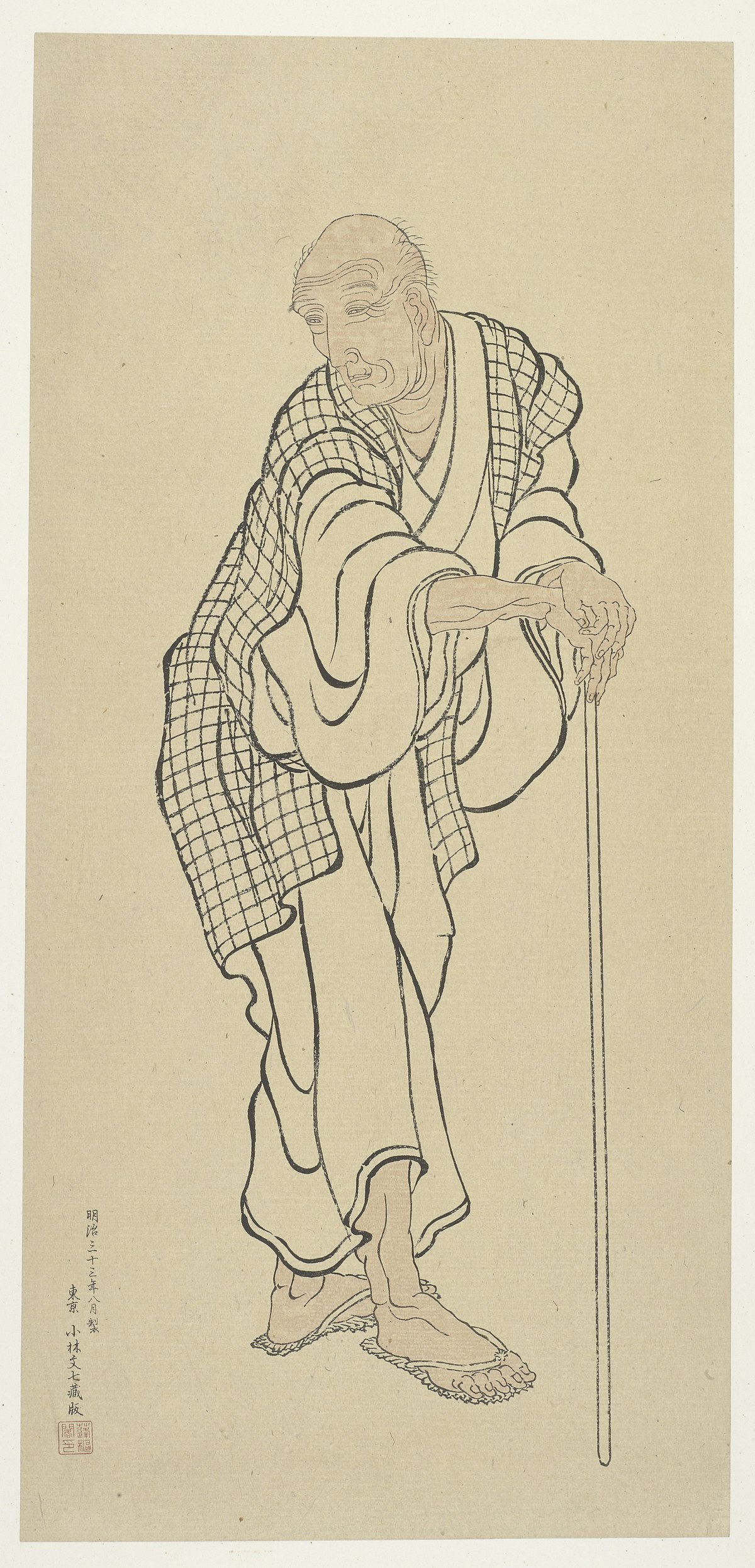
Katsushika Hokusaia Elu ja Looming: Lained, Mäed ja Igavene Kunstnik
Katsushika Hokusai (1760–1849) on Jaapani kunstniku nimi, mis kõlab pea igas kunstiajaloo raamatus. Ta oli Edo perioodi meister, kelle puulõiked ja maalipildid on muutunud maailmaklassikaks, eriti tema kuulsa teosega „Kanagawa suur lainе“. Kuid Hokusai polnud pelgalt üks tuntud kunstnik; ta oli pideva arengu sümbol, elukindel otsing artistlikus täiuslikkuses ja lõputu uudishimu kehastus. Tema elu oli värvitud mitmete nimede vahetusega – üle kolmekümnene karjääris –, iga uus nimi peegeldas uut etappi tema kunstilises teekonnas, nagu oleks ta pidevalt muutnud oma nahka, et paremini väljendada sisemist maailma. Sündinud Edo linnas (praegu Tokyo), kasvas Hokusai perekonnas, kus väärtustati käsitööd, ning juba noorest peast näitas ta suurt huvi joonestamise ja maalimis vastu. Tema isa, vaatemirrorite valmistaja, ei olnud kunstnik, kuid tunnistas poja andeid ja toetas tema esimesi samme kunsti maailmas.
Ukiyo-e Koolist Uueks Horisondiks: Kunstniku Arenemine
Hokusaia ametlik kunstiline koolitus algas kaksteaastaselt, kui ta astus Katsukawa Shunshō ateljeesse, mis oli üks juhtivaid *ukiyo-e* meistreid. *Ukiyo-e*, mis tähendab „ujuva maailm“, kujutas igapäevaelu stseene – näitlejaid, kurtisaane, maastikke ja pilke elava linnaelu sisse. Shunshō juhatusel omandas Hokusai puulõike tehnikate põhialused, kuid ta ei olnud rahul pelgalt õpetaja jäljendamisega. Tema sisemine tulirenessants sundis teda piire ületama ja uusi väljendusvõtteid otsima. Ta katsetas erinevate teemade ja tehnikatega, pidevalt täiustades oma oskusi ning arendades ainulaadset visuaalset keelt. Just sel perioodil ilmusid esimesed nimede muutused – tavapraktika *ukiyo-e* artistide seas, mis tähistas kunstilise uuenduse või erinevate koolkondade eelistuste etappi. Esialgu keskendus ta raamatute illustreerimisele, mis andis talle stabiilse sissetuleku ja võimaldas arendada kompositsioonioskusi. Kuid just ühekordsete trükiste suunas liikumine vabastas tema loova potentsiaali.
Mäed, Lained ja Elu: Peamised Teosed
Hokusaia kunstiline toodang oli hämmastavalt rikkalik; tuhandeid puulõikeid, maalipilte ja illustreeritud raamatuid kannavad tema allkirja. Kuigi ta uuris laias spektriks teemasid, just *Kolmkümmend kuus Fuji vaadet* (u 1831) kinnitas tema kuulsust. See sarjakoostis, mille tipp on ikooniline „Kanagawa suur lainе“, ei olnud pelgalt maastiku kujutamine; see oli meisterlik uurimus perspektiivi, kompositsiooni ja looduse jõu üle. Laine ise, hiigelsuur vägi, mis ähvardab purustada väikeseid paate, kehastas nii mere ilu kui ka hirmu. „Kanagawa suur lainе“ on rohkem kui pilt; see on sümbol võitlusest inimkonna ja looduse vahel, tuletades meile meelde meie mõttelise väiksuse ja looduse tohutu jõu. Peale *Fujit* näitasid teosed nagu „Tulirestid Ryōgoku silla juures“ (1790) tema võimekust jäädvustada dünaamilisi igapäevaelu stseene märkimisväärse energiaga ja detailiga. Tema *Hokusai Manga* – jooniste ja uuringute kogumik, mis hõlmab inimesi, loomi, maastikke ja fantastilisi olendeid – oli oma ulatuselt ja mõjult murranguline, ennustades kaasaegse manga arengut. Need teosed ei olnud isoleeritud saavutused; nad olid pideva kunstilise tee etapid, millest igaüks aitas luua loomingulist pärandit, mis on nii sügavalt juurdunud Jaapani traditsioonis kui ka märkimisväärselt innovaatiline.
Pärand Piiride Tagi: Hokusaia Jõudmine Impressionismile ja Kaasaaegsele Kunstile
Hokusaia mõju ulatub kaugemale Jaapanist. 19. sajandi lõpus, kui Jaapan avas oma ukse Läänele, voolasid *ukiyo-e* trükised Euroopa turgudele, tekitades fenomeni, mida tuntakse *Japonismina*. Sellised kunstnikud nagu Claude Monet, Edgar Degas ja Vincent van Gogh said lummatud Hokusaia julgetest kompositsioonidest, elavast värvist ja ebatraditsioonilistest vaatenurkadest. Van Gogh oli eriti vaimustunud „Kanagawa suurest lainest“, isegi ta reproduktsioonides. Hokusaia mõju ei piirdu ainult impressionismiga; see läbipõimis erinevaid kaasaegseid kunstisuundi, kujundades seda, kuidas kunstnikud suhtusid kompositsiooni, värvi ja teema juurde. Tema rõhk hetkede jäädvustamisele, dünaamilisele joonile ja ilu leidmisele igapäevaelus kõnetas põlvkonda kunstnikke, kes otsisid uusi väljendusvorme. Isegi tänapäeval inspireerib Hokusaia töö kunstnikke üle maailma, kinnistades tema koha kui üht olulisimat tegelasi kunsti ajaloos. Ta jätkas maalimist kuni surmani 1849. aastal, olles 89-aastane, jättes maha tohutu hulga töid, mis on tõestus tema vankumatu pühendumisest ja kunstilisest geniaal susest.
Vana Mees, Kes Armastas Maalida
Hokusaia elu oli pideva muutuse märk, mida iseloomustas mitmeid nimede vahetusi – üle kolmekümne karjääris –, iga uus nimi peegeldas uut etappi tema kunstilises teekonnas. Ta viitas sageli endale kui „Gakyō Rōjinile“, ehk „Vana mees, kes on hulluks maalimisest“, mis sobib hästi kunstnikuga, kes pühendus oma kutsele sügavalt ka kaheksakümnendatel aastatel. See pidev täiuslikkuse poole püüd, koos tema innovatiivse vaimu ja nii Jaapani traditsiooni kui ka laiemat maailma mõistmisega, kinnitas Hokusaia staatust *ukiyo-e* meistri ja olulise tegelasena kunstiajaloos. Tema töö jätkab publiku lummatamist, tuletades meile meeles looduse võlu ja inimese loova vaimu piiramatut potentsiaali.
- Peamised mõjud: Ukiyo-e traditsioonid, Hiina maastikumaalimine, Edo linna igapäevaelu.
- Tunnussjõud: Julged jooned, elav värv, dünaamiline kompositsioon, looduse terav vaatlusvõime.



 Vaata sisu
 Lülita trükkitoodetele
 Jaga teost
 Jaga
Jaga
 Detailid
 Juhend

 Laadi alla
 Sarnased teosed
 Röntgenuuring
 Slaidietendus
 Statistika

 Loe lähemalt