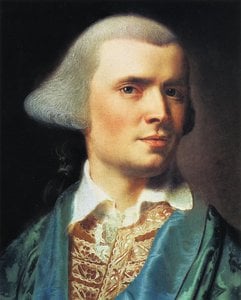
John Singleton Copley: Koloniaalaja Kunstniku Elu ja Looming
John Singleton Copley, kes sündis 1738. aastal Bostonis, on ainulaadne tegelane Ameerika kunstiajaloo seas. Ta ei olnud pelgalt maalija; ta oli kultuuriline sillamüntija, kes lõi eripärase Anglo-Ameerika esteetikat olulise poliitilise ja sotsiaalse muutuste perioodil. Tema lugu on eneseõpetuse briljansist, unustamata ambitsioonist ja võimest tabada mitte ainult näolisi sarnasusi, vaid ka subjekti olemust oma aja kontekstis. Copley kasvupinged olid sügavaid Bostoni koloniaalaja meremaailma juuri, kus valitses äri, laevaehitus ja kasvav rikkus. Tema isa, Richard Copley, kuigi peagi kadunud, oli tubaka kaupmees, samas kui tema ema, Mary Singleton Copley, juhtis poodi Long Wharf'il. See keskkond andis noorele Johnile terava arusaamise materiaalsetest asjadest – kangaste tekstuurist, hõbeda läigist ja sotsiaalse staatuse peentest nüanssidest – kõik need elemendid defineerisid hiljem tema kunstistiili. Tema kasuisa, Peter Pelham, graveerija ja limner (kunstnik, kes tegi portreede vellumile või pergamendile), pakkus algseid juhiseid, kuid Copley talendi arendas peamiselt eneseõpetuse kaudu, uuringute ja harjutuste abil. Ta neelas alla kõik saadaval olevad graveeringud, kopeerides neid hoolikalt tehnika omandamiseks ning ületas peaagu kohe oma kasuisa oskused.
Portreede Kangelasena Bostonis
1760ndatel oli Copley endale kindlustanud positsiooni Bostoni peamise portreekunstnikuna, teenindades linna eliiti. Tema edu ei tulnenud pelgalt tehnikast; see oli tema võime sisendada oma portreedesse psühholoogilist sügavust, mida koloniaalaja Ameerika kunstis harva nähti. Ta astus üle lihtsa esituse, püüdes tabada subjekti iseloomu ja sotsiaalset staatust. See nõudis tähelepanu detailidele – kangaste, ehete ja sisustuse täpse renderdamist – aga ka arusaamist poosist, väljendustest ja žestidest. Copley portreed ei olnud pelgalt kujutised; need olid avaldusi rikkuse, võimu ja sotsiaalse ambitsiooni kohta. Ta oskuslikult sisendas oma kompositsioonidesse sümbolseid objekte, vihjates subjekti ametile või huvidele. Ärimees võidi kujutada taustal imporditud kaupadega, jurist õiguslike tekstidega või mereohvitser mereriistadega. See detailile ja sümbolismile pööratav tähelepanu tõstis tema tööd lihtsa portreeülesandest ning muutis selleks sotsiaalse kommentaari vormi. Tema *Mrs. Ezekiel Gondthwait (Elizabeth Lewis)*'i portreed on selle lähenemise näide – elegantne poos, luksuslikud riided ja peened detailid väljendavad kõrgelt arenenud staatust.
Ambitsioonid ja Euroopa Kutse
Vaatamata Bostonis saavutatud edule, Copleyil olid ambitsioonid, mis ulatuvad koloniaalaja kunstimaailma piiramine. Ta ihaldas tunnustust Londoni ja Rooma asutavate kunstiringkondade poolt ning soovis oma oskusi Euroopa meistritega võrrelda. 1766. aastal saatis ta *Boy with a Flying Squirrel* Londonis Society of Artistsile, kus see pälvis suure kiituse Joshua Reynoldsilt ja Benjamin Westilt – kahest juhtivast Briti kunstnikust. See julgustus sügis Copley soovi edasise koolituse ja eksposituuri järele. Siiski, perekondlikud kohustused ja edukas praktika hoidsid teda veel kümneks aastaks Bostonis. Lõpuks, 1774. aastal lahkus ta koos oma abikaasa Susanna Farnsworth Clarke'iga ja lastega Euroopasse, soovides õppida Vanu Meistreid ning asutada endale kohta ajaloolise maalijana. Ameerika revolutsiooni puhkemine peagi pärast saabumist keerutas olukorda, sundides Copleyt navigeerima poliitiliselt pingestatud keskkonnas oma kunstiliste eesmärkide poole püüdlemisel.
Ajaloolised Narratiivid ja Püsiv Pärand
Londonis leidis Copley nii võimalusi kui ka väljakutseid. Ta jätkas portreede maalimist, hankides tellimusi silmapaistvatelt Briti tegelastelt, kuid pööras tähelepanu ka ajaloolisele maalile – žanrile, mida peeti tolleaegselt portreedest prestiižsemaks. Tema ambitsioonikam töö selles vallas oli *The Death of Major Peirson*, mis kujutas stseeni Jersey lahingust Ameerika revolutsiooni sõja ajal. Kuigi tehniliselt muljetavaldav, sai see segaseid reaktsioone, mõned kriitikud küsisid kompositsiooni ja dramaatilise efekti kohta. Copley hilisemad ajaloomaalid, nagu *The Colapse of the Earl of Chatham in the House of Lords*, olid edukamad, näidates tema võimet tabada keerulisi emotsioone ja dramaatilisi hetki. Kuigi ta ei saavutanud kunagi seda tunnustustaset, mida ta Euroopas otsis, jättis John Singleton Copley kustumatu jälje nii Ameerika kui ka Briti kunstiajalukku. Ta pioniiri Anglo-Ameerika stiili, ühendades Euroopa tehnikat eripärase koloniaalse tundlikkusega. Tema portreed on väärtuslikud ajaloolised dokumendid, mis annavad pilgu minevikusaegsete inimeste elule ja väärtustele.
Teda meenutatakse mitte ainult tema kunstilise oskuse poolest, vaid ka oma rolli eest rahvusliku identiteedi kujundamisel läbi kunsti. Ta suri Londonis 1815. aastal, jättes maha pärandi, mis jätkuvalt inspireerib kunstnikke ja lumjab publikke täna.
Mõjud ja Kunstiline Areng
- Varajased mõjud: Copley varane kunstiline areng sai tugevaid mõjutusi graveeringutest, mida ta hoolikalt kopeeris, eriti Rembrandt van Rijn'i ja Antoine Watteau meistriteoste.
- Peter Pelhami juhendamine: Tema kasuisa, Peter Pelham, pakkus algseid juhiseid portreede ja graveerimistehnikate osas, pannes aluse tema tulevasele edule.
- Joshua Reynolds & Benjamin West: Nende silmapaistvate Briti kunstnike julgustus ja tagasiside Copley varajaste esituste kohta Londonis eksamid olid otsustavad tema ambitsioonide ja kunstilise suuna kujundamisel.
- Rococo stiil: Copley võttis algselt omaks Rococo stiili, mida näitab tema kasutamine õrnade värvide, graatsiliste pooside ja kaunite detailidega. Kuid ta liikus järk-järgult realistlikuma ja tagasihoidlikuma lähenemisviisi suunas.
- Ajaloolise maalimis inspiratsioon: Tema tutvus Benjamin Westi ajalooliste maalidega inspireeris teda uurima seda žanri, kuigi tal oli sageli raskusi selle täieliku harmoonilisusega tema loomuliku andega portreede maalimisel.



 Vaata sisu
 Lülita trükkitoodetele
 Jaga teost
 Jaga
Jaga
 Detailid
 Juhend

 Laadi alla
 Sarnased teosed
 Röntgenuuring
 Slaidietendus
 Statistika


 Loe lähemalt






































 Klaasivalik on saadaval ainult kuni 110 cm suuruses teostes