Kunstniku elulugu
John Constable: Inglismaa Maastiku Poeesia
John Constable, sündinud 1776. aastal Ida-Bergholti idüllilises külas Suffolki krahvkonnas, polnud pelgalt maastikumaalija; ta oli maa poeet, tõlgitsedes selle peeni nüansse ja kestvat ilu lõuastele enneolematu emotsionaalse sügavusega. Tema isa, jõukas teraviljakaupmees, kelle pere omandas nii Dedhami orgi kui ka veskid Stouri jõe ääres, pakkus mitte ainult rahalist kindlust, vaid ka just selle maastiku, mis määras Constable’i kunstilist elu. See varajane sisseelamine maalielu rütmi – põllumajanduse aeglase tempo, valgus muutused väljadel ja vees, looduse intiimne detail – jäid tema tundlikkusse sügavalt raiutud. Kuigi algselt mõeldigi talle järgnema isa jalgu äris, kasvav kirg kunsti vastu, mida toetasid kohalikud patroonid nagu George Beaumont, kes tutvustas talle Claude Lorraini tööd, suunas ta lõpuks teisele teele. Constable’i kunstiline tee ei olnud otsene; see oli järkjärguline arenemine, kujundatud hoolsa vaatlusega ja pideva sooviga mitte ainult seda jäädvustada, mida ta nägi, vaid ka seda, kuidas talle tundus kohal olla maastikus.
Konventsioonide Murramine: Uus Vaade Loomusele
Constable’i kunstiline areng oli märgitud teadlikult kehtivate akadeemiliste konventsioonide hüljamisest. Rahuldumata valitseva Akadeemia poolt eelistatud idealiseeritud ja sageli teatrilike maastikega, püüdis ta hoopis tõeväralist esindust loodusest, mis on täidetud isiklike tunnetega. Ta ei olnud huvitatud hiigelsuurtest ajaloolistest narratiividest või müütilistest stseenidest; tema keskendumine jäi vankumatult tuttava maapiirkonna ümbrusesse. See pühendumus tavaliste objektide kujutamisele – heinavankrid, talukohad, külaelu – kohtas algselt vastuseisu kriitikutelt, kes pidasid tema tööd liiga igapäevaseks ja ambitsioonitu puuduvaks. Constable’i ei heidutanud see aga, ta püsis oma veendumusega, et ilu peitub igapäevaelus. Ta oli pioneeri *plein air* maalijate seas, astudes otse loodusesse, et vahetult jälgida ja jäädvustada valguse ja ilma kiirelt muutuvat mõju. See otsene suhtlus loodusega võimaldas tal täita oma lõuasteid enneolematu vahetusega ja elavusega. Tema pintslilöökide tehnika muutus järjest lahtisemateks ja väljendavamateks, kasutades pastositehnikat – paksude värvikihtide kandmist – tekstuuri loomiseks ja liikumise ning atmosfääri tunde edastamiseks. Ta ei lihtsalt registreerinud seda, mida nägi; ta tõlgitses oma vastust maale visuaalseks vormiks.
Ikoonilised Tööd ja Püsiv Mõjutus
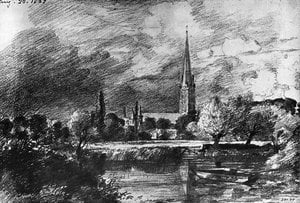
Constable’i kõige tuntumad tööd on tunnistuseks tema ainulaadsest visionäärsusest. Heinavanker (1821), võib-olla tema äratuntuma maal, kujutab quintessential maapiirkonna stseeni Stouri jõe kaldal, jäädvustades põllumajandusliku elu rahulikkuse ja harmoonia. Hadleigh Castle (1829) näitab tema dramaatilist valguse ja atmosfääri efektide kasutamist, muutes laguneva kindluse võimsaks ajahulgamise sümboliks. Salisbury katedraali kujutavate maalide sari (1831) demonstreerib tema oskust tekitada erinevaid meelolde ja kellaaegu, paljastades katedraali kui loodusmaastiku lahutamatut osa. Netley Abbey (1824), oma erootiliste arhitektuurilise hiilguse kujutusega, mis on ümbritsetud metsikult kaunite maade poolt, näitab tema oskust segada inimloomingut loodusliku ilu ja ürgse väega. Vaatamata algsele vastupanule Inglismaal, saavutas Constable Prantsusmaal märkimisväärset tunnustust, kus tema uuenduslikud tehnikad ja emotsionaalne sügavus kõlasid soosivalt kunstnike seas, kes otsisid looduslähedasemat lähenemist maastikumaalijale. Ta mõjutas oluliselt Barbizon'i koolkonda, rühma prantsuse maalijaid, kes jagasid tema pühendumust *plein air* maalile ja looduse otsekohesele vaatlusele.
Emotsionaalse Resonantsi Pärand
John Constable’i ajalooline tähendus peitub mitte ainult tema kunstilistes innovatsioonides, vaid ka tema sügavas mõjus maastikumaalijate arengule. Ta esitas kahtluse alla akadeemilised konventsioonid, tõstis tavaliste objektide staatust ja rajas teed isiklikumale ja emotsionaalselt väljendavale lähenemisviisile kunstile. Tema rõhutamine otsekohesele vaatlusele, atmosfääri efektidele ja looduse tõeväralisele esindamisele eelnenud paljude hilisemate impressionistlike maalijate muredele. Ta näitas, et maastik võib olla sügava emotsionaalse väljenduse vahend, mis on võimeline tekitama nostalgia, rahulikkuse ja imetluse tundeid. Kuigi ta oma karjääri jooksul silmitseti rahaliste raskustega ning suri suhteliselt noorelt 1837. aastal, jääb tema pärand kestma. Tänapäeval peetakse Constable’it üheks Suurbritannia suurimaks kunstnikuks, kelle maale jätkuvad publiku lummatsemisega oma ilu, siiruse ja püsiva jõuga. Tema töö on melankoolne meeldetuletus sügavaist inimeste ja loodusega seostest ning kunsti muutvast potentsiaalist selle olemust jäädvustada.
Isiklik Elu ja Viimased Aastad
Constable’i isiklikku elu märgistasid nii rõõm kui ka kurbus. Ta abiellus Maria Bicknelliga 1816. aastal ning neil oli seitse last, kuigi kahjuks ei ellujäänud paljud imikutena. Abielu pakkis talle emotsionaalset tuge, kuid ka rahalisi raskusi. Kuninglikuks Akadeemikuks valituna 1829. aastal silmitseti ta mõne poolt jätkuvalt kriitikat, eriti tema ebatraditsiooniliste tehnikate tõttu. Tema hilisemad aastad olid varjutatud Maria halveneva tervise ja lõpuks surma poolt 1828. aastal, sündmus, mis mõjutas teda sügavalt. Vaatamata nendele raskustele jäi Constable pühendunult oma kunstile, maalides kuni oma surmani 31. märtsil 1837. Ta jättis maha rikka kunstilise pärandi – tunnistuse tema vankumatust pühendumisest Inglismaa maapiirkonna ilu ja emotsionaalse resonantsi jäädvastamisele. Tema maalijad on endiselt võimsaid kujutusi möödunud ajast, kutsetes vaatajaid kogema maastikku läbi tema ainulaadse tundliku pilgu.



 Vaata sisu
 Lülita trükkitoodetele
 Jaga teost
 Jaga
Jaga
 Detailid
 Õppekate juhend

 Laadi alla
 Sarnased teosed
 Röntgenuuring
 Slaidietendus
 Statistika


 Loe lähemalt






































 Klaasivalik on saadaval ainult kuni 110 cm suuruses teostes