James Abbott McNeilli Whistler: Esteetika ja Tonalismi Maestro
James Abbott McNeill Whistler, sündinud 1834. aastal Lowellis, Massachusetts'is, oli kunstnik, kes tegi karjääri ümber kujundades Ameerika kunsti ning mõjutades oluliselt nii Euroopa kui ka hilisemat modernismi. Tema elu oli pidev otsing tonaalse harmoonia järele ja esteetilise vabaduse poole, mis viis ta vastuolusse konventsioonidega ja tegi temast võitmatu isiksuse kunstimaailmas. Noorena veetis Whistler aega nii West Point'i sõjakoolis kui ka Ameerika rannikumereme surve- ja geodeetikatöödes, kuid need kogemused ei suutnud talustada tema kasvavat kirge kunsti vastu. Varajased aastad kujundasid tema iseloomu – kohanemisvõimet, uudishimu ning vankumatut soovi teerajaja olla.
Pariisi Aastad ja Stüüli Kujunemine
1855. aastal suundus Whistler Pariisi, kus õppis Sébastien Bouré juhendamisel õlimaalimist, vesivärki ja graafikat. See periood oli pöördepunktiks tema kunstilises arengus. Prantsuse realismist ja Barbizon'i koolkonna maalikunstnikest inspireerituna hakkas Whistler arenema ainulaadse stiili poole, mis keskendus toonidele ja atmosfäärilisele mõjule. Ta ei püüdnud reaalsust täpselt jäljendada, vaid pigem tabada selle olemust – lühinäguisi tundeid ja peeni nüansse. Pariisis algas Whistleri veendumus, et kunst peaks olema vaba moraalsetest või sotsiaalsetest kommentaaridest ning hinnata ainult tema esteetiliste kvaliteetide järgi. See filosoofia sai aluseks Esteetika liikumisele ja defineeris tema kunsti.
"Nocturned", Portreed ja Harmoonia Püüdlus
Whistleri loominguline visioon ilmnes mitmete peamiste teemade ja stiililiste valikute kaudu. Ta propageeris "kunsti enda jaoks", hüljates narratiive, mis olid koormatud moraalse või sotsiaalse kriitika poolest. Tema töö sai harjutuseks valguse, värvi ja atmosfääri peente nüansside tabamisest – püüdlus, mis viis tema ikooniliste "nocturnede" loomiseni. Need atmosfäärilised maalid õhtuste stseenidega, sageli kujutades Seini jõge öösel, ei olnud mõeldud kui otseseid tõetõuse, vaid pigem melanhoolseid muljeid, toonilise harmoonia ja meeleolu uuringuid. Ta kasutas sageli piiratud värvilahendusi ja õrna pintslikäidet, luues eeterliku ilu ja vaikse kontemplatsiooni tunde. Portreed said tema teose keskpunktiks, kuid ta lähenes neile ainulaadselt. Whistler ei püüdnud täiuslikku sarnasust saavutada; pigem keskendus formaalsetele paigutustele ja toonisuhetele, käsitledes oma modifikande kui kompositsioonilisi elemente hoolikalt konstrueeritud esteetilise raamistikus. Teosed nagu "Arrangement in Grey and Black No. 1" – paremini tuntud kui "Whistler's Mother" – näitavad seda lähenemist suurepäraselt, muutes pereportree ikooniliseks kujuks Viktoria ajastu emadusest läbi vormi ja tooni meisterliku kasutuse.
Vaidlused, Mõju ja Püsiv Pärand
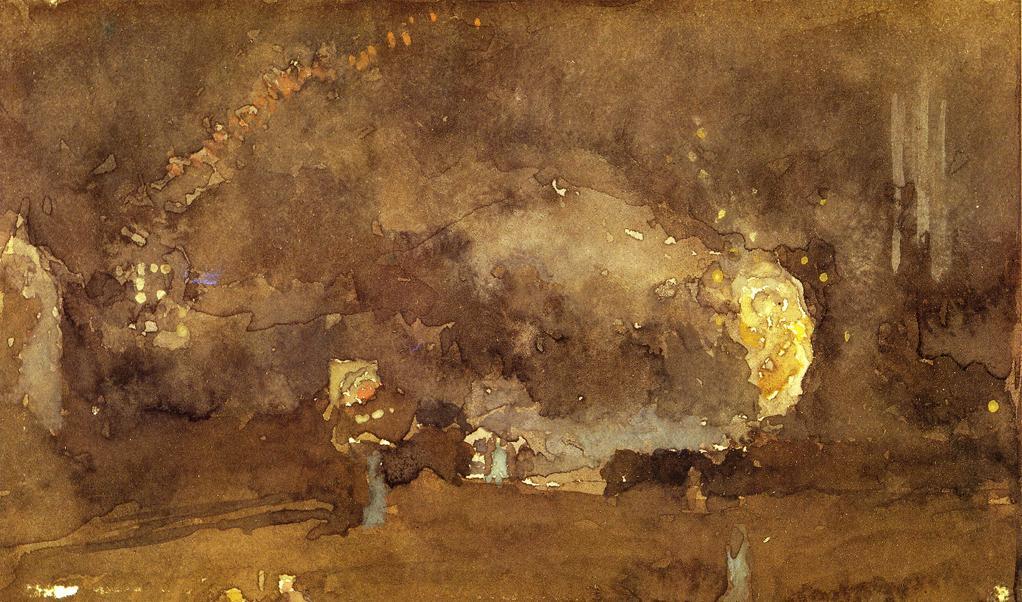
Whistleri karjäär ei jäänud vaidlusteta. 1878. aastal kunstikriitiku John Ruskinile esitatud õigusnulk "Nocturne in Black and Gold – The Falling Rocket" kohta sai olulise verstaposti kunsti ajaloos. Whistler kaitses edukalt oma kunstilist autonoomiat, väites, et tema maal ei olnud mõeldud realistlikuks kujutiseks, vaid pigem värvi ja vormi esteetiliseks paigutuseks. See kohtuprotsess tõstis tema profiili ning sütitas olulisi arutlusi kunsti kriitika olemuse ja kunstniku vabaduse kohta. Peale selle õigusliku võitluse laienes Whistleri mõju kaugele. Ta oli sügavalt inspireeritud Jaapani puugravüüridest (ukiyo-e), mis aitasid teda kompositsiooniliste põhimõtetega ja dekoratiivsete mustrite rõhutamisega, ning Hispaania maalijate nagu Velázquez toonilise meisterlikkusega. Tema "kunsti enda jaoks" propageerimine mõjutas oluliselt Esteetika liikumist Inglismaal ja Ameerikas, avades tee modernismile ja väljakutsetele konventsionaalsele arusaamale kunstniku eesmärgist. Ta jättis püsiva jälje Ameerika kunsti, inspireerituna põlvkondi kunstnikke formalistlikku lähenemist omaks võtma ning värvi ja kompositsiooni väljendusvõimalusi avastama.
- Tuntumad teosed: *The Forge* (1861), *Portrait of Charles Lang Freer* (1873), *Brown and Gold: The Gold Girl—Connie Gilchrist* (1876-77), *Arrangement in Grey and Black No. 1 (Whistler’s Mother)* (1871), *Nocturne in Black and Gold – The Falling Rocket* (1875).
- Mõjud: Jaapani puugravüürid, Velázquez.
Whistler suri 1903. aastal Londonis, jättes maha loomingulise pärandi, mis jätkuvalt lumma ja inspireerib. Tema vankumatu pühendumus kunstilistele põhimõtetele ning pidev otsing esteetilise ilu eest kinnitas tema koha kui olulise tegelase kunsti ajaloos.


 Vaata sisu
 Telli käsitsi maalitud reproduktsioon
 Jaga teost
 Jaga
Jaga
 Detailid
 Juhend

 Laadi alla
 Sarnased teosed
 Röntgenuuring
 Slaidietendus
 Statistika

 Loe lähemalt






































 Klaasivalik on saadaval ainult kuni 110 cm suuruses teostes


