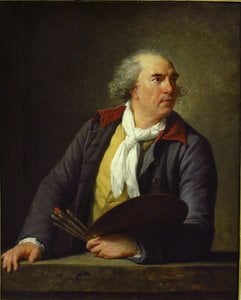
Maalija Rüütlite ja Visioonide Maailmas: Hubert Robert'i Elu ja Looming
Hubert Robert, 18. sajandi prantsuse kunsti maastike ja varemete poeetilise võlu sünonüüm, omab ainulaadset kohta ajaloos. Ta sündis Pariisis 1733. aastal ning tema elu kulges muutuvate kunstistiilide ja monumentaalsete ajalooliste sündmuste taustal – rokokoo mängulise elegantsi ja neoklassitsismi koidu vahel, lõppedes Prantsuse revolutsiooni tormilistes aastates. Robert ei piirdunud lagunemise dokumenteerimisega; ta lõi visioone, ühendades tähelepanekuid kujutlusvõimega, et luua stseene, mis resoneerisid nii nostalgiaga mineviku vastu kui ka ootusliku tulevikuvõimuga. Tema kunstialane teekond algas struktureeritud õppekeskkonnas, esmalt skulptori Michel-Ange Slodtz juures, kes tunnistas Robert'i andekust, kuid soovitas talle maalimist, aimates tema tõelist kutsumust valguse, atmosfääri ja vormi peene poeesia tabamises.
Rooma Unelmad: Kunstniku Identiteedi Kujunemine
Pöördepunkt Robert'i kunstilises arengus saabus 1754. aastal Rooma pikaleveninud reisiga. Étienne-François de Choiseuli saatjana sukeldus ta maailma, mis oli täis ajalugu ja arhitektuurilist suursugemusust. Üheksa aasta jooksul sai iidne linn tema õues stuudioks, selle lagunevad templid, majesteetlikud kaared ja lopsakad aiad toites tema kujutlusvõimet. See ei piirdunud nähtuga kopeerimisega; see puudutas seda interpreteerimist, ümberkujundamist ja melanhoolse ilu sissehingamist. Ta töötas koos Giovanni Paolo Paniniga, kelle mõju on näha Robert'i varajastes *capriccio* kompositsioonides – fantaasiarikkais vaadetes, mis seadsid klassikalised varemed kaasaegse eluga vastandusse. Kuid Robert ületas kiiresti jäljendamist, arendades oma eristava stiili, mida iseloomustas tähelepanuväärne detailirohkus, atmosfääriperspektiiv ja sügav tundlikkus valguse ja varju mängu suhtes. Ta ei maalinud lihtsalt varemeid; ta maalis aega ennast, tabades transiendi valu ja mälestuste püsivat jõudu. Tema visandiraamatud sellest perioodist on hindamatu väärtusega dokumendid tema tähelepanekutest, täis üksikasjalikke uuringuid Rooma vaatamisväärsustest nagu Villa d'Este ja Caprarola, mis demonstreerivad teravat silma arhitektuuriliste nüansside ja maastiku kompositsiooni suhtes.
Pariisi Aplaus ja Kuninglik Patroonage
Robert’i naasmine Pariisi 1765. aastal tähistas pöördepunkt tema karjääris. Ta saavutas kiiresti tunnustuse kunstilises ringkonnas, tagades sissepääsu Académie Royale de Peinture et de Sculpture teosega “Rooma sadam, kaunistatud erinevate arhitektuurimonumentidega, antiiksete ja kaasaegsete”. Tema järgnevad näitused Salonis pälvisid laialdast kiitust, lummates publikut varemete ja maaliliste maastike elavate kujutistega. Denis Diderot, valgustusaja silmapaistev tegelane, kiitis kuulsalt Robert’i maalide äratatud suursugemusust, tunnustades tema võimet transportida vaatajad teise ajastu ja kohta. See edu viis kuninglikku patroonage'i, tellimusi dekoratiivprojektide jaoks ning ametisse nimetamist “Kuninga aiade kujundajaks” ja hiljem “Kuninga piltide hoidjaks”. Temast sai ihaldatud kunstnik mitte ainult tema alusmaalide eest, vaid ka uuenduslike disainide eest aedade ja palee interjööride jaoks. Tema töö resoneeris valitseva *capriccio* maalimise maitsega – žanriga, mis meeldis kollektsionääridele, kes olid huvitatud ajaloost, arheoloogiast ja pitoreesksetest kohtadest –, kuid Robert lisas sellele ainulaadse tundlikkuse, tõstes selle puhtalt dekoratiivkunsti tasemelt.
Revolutsioon, Vastupidavus ja Püsiv Pärand
Prantsuse revolutsioon esitas Robert’ile enneolematu väljakutse. Kuigi paljud kunstnikud võitlesid turbulentse poliitilise kliima tingimustes, jäi ta muutuste ristlõikesse. Ta pidi isegi Terrori valitsusajal lühiajaliselt vangistusse sattuma – vapustav kogemus, mis inspireeris siiski jooniste sarja tema vangistuses veedetud ajast. Märkimisväärselt jätkas ta intensiivset maalimist kogu selle perioodi jooksul, demonstreerides vankumatut pühendumust oma kunstile. Revolutsiooni järel määrati Robert kuraatoriks äsjaloodud Muséum Central des Arts’i – tulevase Louvre'i muuseumi –, mis on tunnistuseks tema teadmistele ja kultuuripärandi säilitamisele pühendumisele. Ta mängis olulist rolli muuseumi kollektsiooni organiseerimises ja kataloogimises, tagades Prantsusmaa kunstiliste aarete kaitsmise tulevaste põlvkondade jaoks. Hubert Robert suri Pariisis 1808. aastal, jättes maha erakordse loomingu, mis jätkab aukartust ja imetlust äratavat inspiratsiooni. Tema pärand ei seisne mitte ainult tema tehnilises meisterlikkuses, vaid ka tema ainulaadses võimes ühendada ajalooline täpsus kujutlusvõimuga. Ta oli žanri pioneer maalimisel, mis tähistas nii lagunemise ilu kui ka inimloomingute püsivat jõudu, kinnistades oma koha olulise figuurina rokokoo ja neoklassitsismi vahel ning ennustades romantismi aspekte oma ajaloo- ja kujutlusvõimuhuviga.
- Põhivõimed: Giovanni Paolo Panini, Piranesi, Rooma arhitektuuriline maastik.
- Peamised teemad: Varemed, maastikud, *capriccio* maalid, ajalooline mälu, aja möödumine.
- Kunstistiil: Tähelepanuväärne detailirohkus, atmosfääriperspektiiv, elav valgustus, tähelepanekute ühendamine kujutlusvõimega.



 Vaata sisu
 Lülita trükkitoodetele
 Jaga teost
 Jaga
Jaga
 Detailid
 Õppekate juhend

 Laadi alla
 Sarnased teosed
 Röntgenuuring
 Slaidietendus
 Statistika


 Loe lähemalt






































 Klaasivalik on saadaval ainult kuni 110 cm suuruses teostes