Hans Holbeini Noorema Elu ja Looming: Detailide Meistri Portreed
Umbes 1497. aastal Augsburgis, Saksamaal sündinud Hans Holbein noorem kujunes Põhja-Renessansi silmapaistvaks kunstnikuks – portreede meister, kelle teoste realistlikkus ja psühholoogiline sügavus kõnelevad tänapäevani. Tema kasvatus kunstnike perekonnas andis aluse erakordsele talentidele; isa, Hans Holbein vanem, oli austatud maalija ja graafik, kes õpetas noorele Hansile hoolivat tähelepanu vaatlusele ja tehnikale. See varajane koolitus ei seisnud pelgalt pintsli valduses või pigmentide segamises – see käis õppimisest *näha*, mitte ainult sarnast, vaid ka subjekti olemust. Holbeini esimesed kunstilised uuringud toimusid isa töökojas, kus ta lihvis oma oskusi enne teekonda, mis viis teda Šveitsi ja lõpuks Inglise kuningliku õukonna südamesse.
Baselist Tudorite Õue: Tõusev Täht
Pärast õpipesust reisiti laialt mööda Šveitsi, kus Holbein asutas endale kasvava mainega iseseisva kunstnikuna. Ta veetis mitmeid aastaid Baselis, lootes mitte ainult silmapaistvaid portreede, vaid ka religioosseid teoseid ja keerulisi puukõite disaine – enim tähelepanu pälvis kummaline seerija, mis kujutas "Surma Tantsu". Need varajased tööd näitavad kasvavat valdab kompositsiooni ja huvi inimemotsioonide keerukuse tabamiseks. Aasta 1526 aastal saabus oluline sündmus, mis tõi Holbeini Inglismaale, mis muutis tema kunstilist teed määravaks. Ta tuli kaasas Erasmu soovituskirjaga, tuntud humanistliku õpetlasega, mis avas uksi Inglise ühiskonna mõjukates ringkondades. Tema talent vaimustas peagi silmapaistvaid tegelasi nagu Sir Thomas More, kes sai nii patrooniks kui ka mitme veenva portree objektiks. See side osutus võtmetäheks, mis viis Holbeini kuningas Henri VIII koht maalijaks määramiseni aastal 1536 – ametikoha, mida ta surmani hoidis.
Vaadete Kunst: Stiil ja Meisterteosed
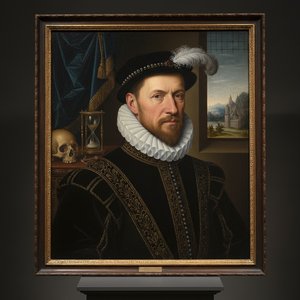
Holbeini kunstniku stiili iseloomustab erakordne realism, mis saavutati hoolsa tähelepanu abil detailidele kangaste, tekstuuride ja näo joonte peenete varjundite esitatuses. Ta ei *maalind* pelgasti portreede, vaid ehitas need hoolikalt üles kihi kaupa, jäädvustades mitte ainult füüsiliselt välimust, vaid ka oma subjektide isiksust ja sisemist elu. Tema innovaatilised kompositsioonid suurendasid veelgi tema töö mõju, kasutades sageli sümbolseid objekte või tausta, et edastada sügavamaid tähendusi. *Saatjad* (1533) on tunnistus sellest lähenemisviisist – kompleksne ja sümbolirikas topeltportree, mis näitab nii Holbeini tehnilist briljantsust kui ka intellektuaalset sügavust. Anarvormne kolju, mis on peenelt maalitud pildile, toimib jõulise *memento mori*, tuletades vaatajatele meelde surma vältimatust. Tema arvukad Henri VIII portreed lõid kuningliku võimu püsilise kujutuse, samas kui Erasmu Rotterdam portree jäädvustab õpetlase sügava intellektuaalse väärikuse. Teised silmapaistvad tööd hõlmavad vapustavat *Nikolaus Kratzeri portreed* (1528), realism ja teaduslik detaili meistriteos.
Pärand ja Mõjutus: Püsiv Mulje
Holbeini kunstniku tee kujunes mõjutuste kokkupõrke poolest, segades Saksa kunstiliste traditsioonide täpsust Itaalia renessansi kompositsiooniprintsiibidega. Ta imestas Albrecht Düreri ja teiste Saksa meistrite tööd ning õppis ka oma reisidel Itaalia kunsti, omandades nende tehnikaid ja integreerides neid oma ainulaadsesse stiili. Tema pärand on sügav; Holbeini portreed seadsid uue toe realismile ja psühholoogilisele sisule portreepildis, mõjutades põlveid järgijaid. Tema kujutised Inglise ajaloo olulisi tegelasi annavad väärtuslikku sissevaadet Tudoride ajastu eludele ja isiksustele.
Ta ei salvestanud pelgasti välimust – ta jäädvustas hetki ajas, säilitades need järeltulevate põlvede jaoks. Tema töö on võimas tunnistus kunsti püsivast jõust dokumenteerida, tõlgendada ja valgustada minevikku.
Viimane Pintslitõmbe: Histooline Tähendus
Hans Holbein noorem suri aastal 1543 Londonis, jättes maha teoste kogu, mis jätkab sajandeid hiljem publiku vaimustamist. Tema portreed on rohkem kui lihtsalt ilusad pildid; need on ajaloo dokumendid, pakkudes pilgu sisse Tudoride ajastu poliitiliste intriigide, religioossete ümberpöörete ja kultuuriliste muutuste ellu.
- Tema Henri VIII kujutised said ikooniliseks kuningliku võimu esinduseks.
- Tema portreed pakuvad aknat humanistlike tegelaste nagu Erasmus ja More eludesse.
- Sümbolite innovaatne kasutamine lisab tema tööle tähenduse kihte, kutsetes vaatajatel mõtiskleda sügavamate teemade üle.
Holbeini kunst ei seisagi pelgasti tehnilises oskuses; see on intellektuaalse uudishimu, kunstilise innovatsiooni ja inimese olukorra sügava arusaamise kehastus. Ta jääb üheks kõige austatumaks ja uuritavamaks renessanssiajastu maalijaks – meistriks, kelle pärand jätkab inspireerimist ja vaimustamist.



 Vaata sisu
 Telli käsitsi maalitud reproduktsioon
 Jaga teost
 Jaga
Jaga
 Detailid
 Juhend

 Laadi alla
 Sarnased teosed
 Röntgenuuring
 Slaidietendus
 Statistika

 Loe lähemalt






































 Klaasivalik on saadaval ainult kuni 110 cm suuruses teostes




![Jean de Dinteville ja Georges de Selve kaheportree (tuntud ka nimega Lä ambassadors) [detail]](/media/artworks/images-thumb/bb/ab/bbab7ce77b7dd15d23d21114a63b51a4.jpg)

![Jean de Dinteville'i ja Georges de Selve kaheportree (tuntud ka nimega Suurlased) [detail]](/media/artworks/images-thumb/42/81/42813dc49b2f72bce897aaf8b747ad5b.jpg)


