Gustave Courbet: Realismi Revolutsiooniline Pintslikeel
Jean Désiré Gustave Courbet sündis 1819. aastal Oransis, Prantsusmaa vaikses külas, ja tegi peagi oma sisukate kunstipraktika abil revolutsiooni kunsti maailmas. Tema lugu ei piirdu pelgnes värvide ja lõuendiga; see on narratiiv, mis on põimitud sotsiaalse kommentaariga, poliitilise veendumusega ja vankumatu pühendumisega kujutada maailma nii nagu ta nägi – idealiseerimata, jõuetult ja sügavalt reaalsena. Kasvades suhteliselt hästi läinud kodanliku perekonnas, sai Courbet emalt julgustust oma kunstiliste kalduvuste poole liikuda, mis toitis lõpuks revolutsiooni kunstimaailmas. Tema ametlik koolitus algas 1839. aastal Pariisi Beaux-Arti koolis, kuid ta leidis peagi end vastuolus valitsevate akadeemiliste konventsioonidega ja romantilis-idealistliku maailmavaatega. Kuigi ta tunnustas Eugène Delacroix' ja Théodore Géricault' mõju, lõi Courbet oma tee, mis andis prioriteedi vaatlusele kujutlusvõimele ja tõele traditsiooni ees.
Realism: Konventsioonide Välistamine
Courbet’ kunstiline areng oli märgitud tahtlikust keeldumisest valitsevate esteetiliste standardite ees. Ta ei huvitatud müütilistest narratiividest ega kangelaslike allegoriatest; tema pilk oli fikseeritud tavaliste inimeste igapäevaelule, eriti nendelegi, kes olid hõivatud töö ja maalähedase eluga. See pühendumus maailma kujutamisele ilu puudutamata – see, mida oleks hiljem tuntud kui realismi – kohtas algselt kriitikutelt põlgust ja naeruväärsust, kes harjumuslikumad olid poleeritud ja idealiseeritud esindusega. Varajased tööd uurisid maastikke ja portreede, kuid pöörduvad peagi tööealiste eludega teemalisi stseene, mis on kujutatud monumentaalses mõõtkavas, mida tavaliselt reserveeriti ajaloolistele või religioossetele maalidele. See tahtlik valik ei olnud pelgnes stilistiline; see oli avaldus nende sageli ülevaadeldavate subjektide sisemise väärikuse ja tähtsuse kohta.
The Stone Breakers, mis valmis 1849. aastal, kuid kahjuks teises maailmasõjas hävis, näitas seda lähenemisviisi – kahe töölise jõuetut kujutust, nende näod varjatud väsimuse ja kannatusega.
See maal, koos teistega nagu A Burial at Ornans (1850), esitas küsimusi selle kohta, mis moodustab „vääriliku“ ainese kõrge kunstiks.
Peamised Teosed ja Kunstifilosoofia
A Burial at Ornans, maal, mis kujutab maakohalise matuserituaali, tekitas skandaali, kui see 1850–51 aastal esitati. Selle tohutu suurus – tavaliselt reserveeritud suurejoonelistele ajaloolistele maalidele – koos selle vankumatu realismiga ja emotsionaalse idealiseerimise puudumisega šokeeris publikut. Courbet ei kujutanud leinajaid üllas või kurvastusest täis tegelasteks; ta esitas nad tavalisena, nende näod kirjutatud segadusega kurbust, igavust ja loobumist.
See ausus oli revolutsiooniline. Tema kunstifilosoofia ulatub ainese üle tehnikani. Ta eelistab otsest, impasto stiili – värvi paksult lõuendile kandmist –, mis rõhutab keskmise materiaalset olemust.
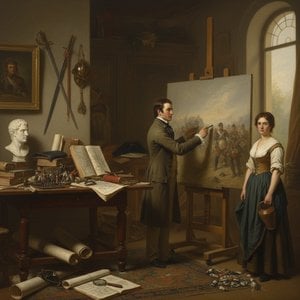
The Painter’s Studio (1855), allegoriline teos, mis peegeldas tema kunstilisi veendumusi ja kaasahaaruvusega kaasaaegsete sotsiaalsete probleemidega, kinnistas veelgi tema mainet provokatiivse ja iseseisva kunstnikuna. Tema osalemine 1863. aastal Salon des Refusés'is – ametlikult salonilt tagasilükatud tööde näitus – kindlustas ta staatuse rebelsena ja kunstilise vabaduse pooldajana. Isegi maastikud nagu
View in the Forest of Fontainebleau (1855) olid täidetud realismiga, jäädvustades metsa loodusliku ilu idealiseerimata.
Pärand ja Histooline Tähendus
Gustave Courbet’ mõjutus hilisemate kunstisuundadele on kahtlevatav. Kuigi ta võttis inspiratsiooni varasematest meistritest, nagu Caravaggio, nende dramaatilise realismiga ja valguse ja varju kasutamisega, ulatub tema mõju palju kaugemale pelgjust imiteerimisest. Ta mõjutas oluliselt impressioniste ja postimpressioniste vabastades nad traditsiooniliste esindamise piirangutest, julgustades neid otsima uusi viise maailma nägemiseks ja kujutamiseks. Tema sotsiaalse kommentaari rõhutamine rajas teed hilisematelegi sotsiaalselt kohustatud kunstnikele, kes kasutasid oma tööd platvormina poliitiliseks aktivismiks. Courbet ei olnud pelgnes maalija; ta oli vokalne pooldaja kunstilise vabaduse ja poliitilise muutuse eest, osaledes aktiivselt oma aja keerulistes sündmustes, sealhulgas 1871. aasta Pariisi Kommuunis – mis viis perioodi pagendusse Šveitsis. Ta suri 1877. aastal jättes maha teosekorpuse, mis jätkab publiku inspireerimist ja provokatsiooni tänapäevani.
- Realism pioneer
- Välistas akadeemilised konventsioonid
- Mõjutas impressionismi ja postimpressionismi
- Kunstilise vabaduse pooldaja
Tema pärand on tunnistus sellest, kui võimas kunst võib olla, et esitada väljakutseid, küsida ja lõpuks muuta meie maailma arusaamist.



 Vaata sisu
 Telli käsitsi maalitud reproduktsioon
 Jaga teost
 Jaga
Jaga
 Detailid
 Juhend

 Laadi alla
 Sarnased teosed
 Röntgenuuring
 Slaidietendus
 Statistika


 Loe lähemalt






































 Klaasivalik on saadaval ainult kuni 110 cm suuruses teostes