Varase Elu ja Kunsti Algusaeg
Gustav Klimt, sündinud 14. juulil 1862 Baumgarteni lähedal Viini külje all, kasvas üles perekonnas, kus kunstiline vaim kohtus finantsvõitlusega. Tema isa, Ernst Klimt, oli kuldgraveerija – amet, mis mõjutas noort Gustav’i esteetilisi tundlikkusi peenelt, kuid sügavalt: kullalehe võlu, täpne detail ja puhtas kullavara. Pere raskused tähendasid sagedast kolimist Viini sees, pidev liikumine, mis võib-olla aitas Klimtil teravalt oma ümbrust vaadata ning tundlikkust inimkogemuse suhtes arendada. Juba lapsena olid tema joonestusoskused märkimisväärsed, toetatud isa ameti poolt ja kaasasündinud andega, mis peagi ilmnes. 1876. aastal astus ta Viini Kunsti- ja Käsitöökooli (Kunstgewerbeschule), alustades ametlikku õpet arhitektuurse maalimisena Ferdinand Laufbergeri juures. See andis talle kindla tehnilise aluse, kuid tutvustas teda ka valitsevate akadeemiliste stiilidega – stiilidega, mida Klimt peagi väljakutsuvalt ületas. Just siin kujunes oluline kunstiline partnerlus tema venna Ernstiga ja Franz von Matschiga, koostöö, mis tagas varajased tellimused dekoratiivsete seinamaalide ja lagedeni jaoks, pannes aluse tema tulevasele edule.
Viini Setsessiooni Tõus
1890ndatel oli Klimt üha rohkem pettunud Viini konservatiivses kunstilises keskkonnas. Ta igatses suurema loomingulise vabaduse järele, ruumist, kus innovatsioon võis õitseda ilma traditsiooni piiranguteta. See soov kulmineerus 1897. aastal Viini Setsessiooni loomisega – oluline hetk Austria kunstiajaloos. Klimt valiti selle esimeseks presidendiks, saades liikumise näo, mis püüdis lahti rebida jäikad akadeemilised normid ja omaks võtta uued kunstivoolud, mis levisid üle Euroopa – Jugendstiil, sümbolism ja japonism. Setsessiooni enda väljapanekuehitus, Joseph Maria Olbrichi poolt kujundatud, sai sellise rebeli sümboli, kaasaegse kunsti templi. Klimti töö oli Setsessiooni eeskirja keskne osa, kehastas selle keeldumist konventsionaalsetest esteetikast ja dekoratiivsete elementide omaksvõtmist, julget värvi ja sümbolilist kujundust. Tema maalimaalid hakkasid uurima armastuse, surma ja seksuaalsuse teemasid enneolematu otsekohesusega, väljakutsetes ühiskondlikke norme ning põhjustades nii imetlust kui ka viha.
Kuldfaas ja Kunstiline Tähendusrikkus
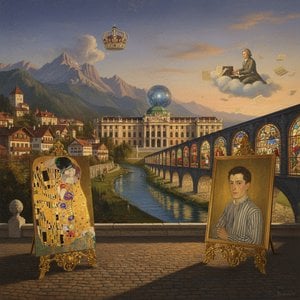
Umbes aastast 1900 astus Klimt oma „kuldfaasi“ – perioodi, mida iseloomustab kullalehe laialdaselt kasutamine, mis oli inspireeritud Bütsantsi mosaiikidest ja keskaegsetest illumineeritud käsikirjadest. See tehnika muutis tema maalimaale sädelevateks, teistsuguste nägemisteks, millele on omistatud vaimulik sügavus ja sensuaalne võlu. *Suu* (1907–1908), võib-olla tema ikoonilisim teos, kehastab seda stiili – paar, mis on lukustatud embusesse, ümbritsetud kuldse auraga, nende kehad kaunistatud keerukate mustritega. Sel perioodil lõi Klimt ka suurepäraseid portreede sarju, sealhulgas *Adele Bloch-Baueri I portree* (1907), mis näitas tema võimet jäädvustada mitte ainult füüsilist sarnasust, vaid ka oma subjektide psühholoogilist keerukust. Ta ähmastas üha rohkem piire maalimis ja dekoratiivsete elementide vahel, integreerides kompositsioonidesse dekoratiivseid elemente, et luua vormi ja sisaldavate harmooniline sulatus. Jaapani kunsti – japonismi – mõju oli eriti ilmne tema tasandatud perspektiivis, joone rõhus ja dekoratiivsete mustrite kasutamisel.
Vaidlused, Mõjud ja Püsiv Pärand
Klimti karjäär ei möödunud vaidlusteta. Aastal 1900 sai ta prestiižse tellimuse maalida Viini Ülikooli Suure Saali kolm dekoratiivset seinamaali, mis kujutasid Filosoofiat, Õigusteadust ja Teoloogiat. Kuid need tööd – eriti *Filosoofia* – peeti konservatiivsete kriitikute poolt provokatiivseks ja isegi pornoks, põhjustades avalikku pahameelt ja lõpetades Klimti keeldumisega võtta vastu edasisi avalikke tellimusi. See sündmus oli pöördepunkt tema karjääris, sundides teda liikuma rohkem erasektori patroonide poole ja lubades talle suuremat kunstivabadust. Tema elu jooksul mõjutasid Klimti erinevad kunstnikud ja stiilid – Hans Makarti ajaloolistest maalidest Bütsantsi dekoratiivkunsti ja Jaapani kunsti mõju all. Ta võttis inspiratsiooni ka sümbolismist, uurides müüti, allegoriat ja teadvusetust. Gustav Klimt jätkas viljakalt maalimist kuni oma surmani 6. veebruaril 1918 Hispaania gripi pandeemia ajal. Tema hilisemad tööd uurisid abstraktsemaid vorme ja maastikke, näidates pidevat kunstilist arengut. Tänapäeval tunnustatakse teda üheks olulisimaks tegelaseks Austria kunstiajaloos, Viini Setsessiooni juhtivaks esindajaks ja Art Nouveau elegantsi püsiva sümbolina.
Tema maalimaalid müüvad oksjonihaagistesse kõrgeid hindu ning tema mõju kaja on endiselt tänapäevasel kunstil ja disainil.
Peamised Iseloomujõud ja Kunstistiil
- Sümbolism: Klimti töö on sügavalt sümbolistlik, uurides sageli armastuse, surma, seksuaalsuse ja inimolude teemasid.
- Jugendstiil: Ta oli juhtiv tegelane Jugendstiili liikumises, mida iseloomustavad orgaanilised jooned, dekoratiivsed mustrid ja ilu rõhutamine.
- Kuldfaas: Tema kulalehe kasutamine lõi sädelevad, uhked pinnad, mis said tema eraldi stiili tunnusmärgiks.
- Dekoratiivsed elemendid: Klimt integreeris kompositsioonidesse dekoratiivseid elemente, ähmastades maalimis ja kaunistamise vahelist piiri.
- Naise keha: Naise kehastus oli keskne tema tööde teema, sageli kujutatud sensuaalsusega ja psühholoogilise sügavusega.



 Vaata sisu
 Lülita trükkitoodetele
 Jaga teost
 Jaga
Jaga
 Detailid
 Õppekate juhend

 Laadi alla
 Sarnased teosed
 Röntgenuuring
 Slaidietendus
 Statistika


 Loe lähemalt






































 Klaasivalik on saadaval ainult kuni 110 cm suuruses teostes