kunstiline uuristamine
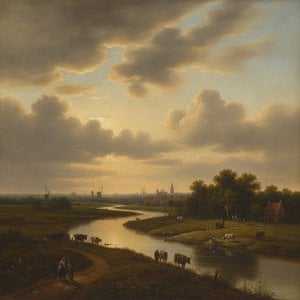
gabriël metsu, Hollandi maalikunstnik, elas elu, mida isutas kunstiline uuristamine ja uuenduslik loovus. Metsu sündis 1629. aastal ning tema looming embodies Hollandi kuldajastu vaimu – ajastut, mis on tuntud oma tohutu kunstilise viljakuse poolest. See biograafia suubub sügavale selle salapärase isiku elusse ja teostesse, kelle panused kunstimaailma võlustavad meid siiani.
varajane elu ja mõjud
Metsu sündis 1629. aastal, olles Jacques Metsu poeg – tapetsitöörija ja maalikunstnik, kes pärit oli Hainaultst. See mitmekülgne taust aitas tõenäolisoleks Gabrielil huvi teada olması erinevatele kunstiline tehnikatele. Peredi move Leidenisse, kus Metsu kasvupidi, avas talle uusi kultuurilisi pilte ja mõjusid.
kunstiline karjäär
Metsu karjääri iseloomustas vältimine ühe kindla stiili või tehnika juurde püsimise eest, mis tõi talle nimetuse "kõrgelt eklektiline kunstnik". Tema looming hõlmas ajaloolisi maale, stillelife, portreede ja žanripildu. Oluline on märkida, et vaid 14 tema 133 teosest on dateeritud, jättes palju alles avastamatut tema loovprotsessis.
- rembrandt van rijn mõju Metsu varajases loomingus on selgelt nähtav, eriti tema valguse ja värvi kasutamisel.
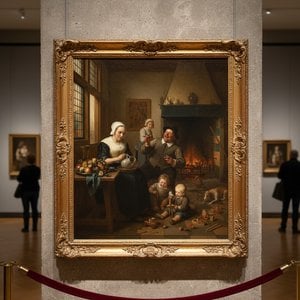
- Metsu koliine Amsterdamisse 1655. aastal märkis olulist pöördet tema stiilis, kus rõhk liikus rohkem kodumajapiduse interjööridele ja žanripiltidele.
- Tema õpetamine koos michiel van musscher ja joost van geeliga peegeldab tema pühendumust kunstilisele kogukonnale.
olulised teosed ja pärand
Metsu maalid kujutasid sageli noori naisi, turukohtadesid ja vanusejõudseid inimesi, kasutades populaarseid embleeme. Silmapaistav näide on
kana müüja, mis demonstreerib tema oskust kasutada sümbolikat.
olulised teosed: muuseumid ja kogumikud
Metsu teoseid saab leida erinevatest muuseumidest, sealhulgas Amsterdami Rijksmuseumist. Rohkem infot tema kunstist ning teiste Hollandi kuldajastu maalide uurimiseks külastage /et/art/show/art-d3c627-et/ põhjalikuks ülevaateks.
lõppsõna: gabriel metsu elu ja kunst on Hollandi kuldajastu uuendusrikka vaimu tunnistus. Tema eklektiline stiil, kuigi vahel salapärane, on jätnud tematu jälje kunstimaailma. Järgnevalt, kui me jätkame tema elu ja loominguga tuttavaks saamist, meelde tuletaksin sügavast mõjust, mida ta avaldas lääne kunsti arengul.
- hollandi kuldajastu sügavamaks mõistmiseks vaadake [https://en.wikipedia.org/wiki/dutch_golden_age_painting](https://en.wikipedia.org/wiki/dutch_golden_age_painting).
- uurige rohkem Metsu teoseid ja tema kaaslaste loomingut aadressil [https://WahooArt.com/@/gabriel-metsu](https://WahooArt.com/@/gabriel-metsu).
allikad:



 Vaata sisu
 Lülita trükkitoodetele
 Jaga teost
 Jaga
Jaga
 Detailid
 Õppekate juhend

 Laadi alla
 Sarnased teosed
 Röntgenuuring
 Slaidietendus
 Statistika

 Loe lähemalt






































 Klaasivalik on saadaval ainult kuni 110 cm suuruses teostes