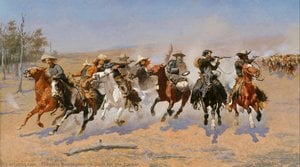
Krooniline Lääne Maailma Kirjeldaja: Frederic Remingtoni Elu ja Kunst
Frederic Sackrider Remington, sündinud 4. oktoobril 1861. aastal Cantonis, New Yorgi osariigis, ei olnud toode sellest metsikust läänest, mida ta nii elavalt kujutas; pigem oli ta idlane, kes sepistas oma kunstilist identiteeti kire ja pühendunud õpingute kaudu. Tema suguvõsa vihjas elule, mis oli kaugel tolmustest radadest ja kavalerii lahingutest – prantsuse baskide päritolu segunes kindla vabariikliku Uue-Inglismaa juurte, isa, kes oli kodusõja kolonel ja ajalehetoimetaja ning kaugemate sugulaste sidemetega kuulsa Remington Arms dünastiaga. Ometi oli varajane kokkupuude sõjaliste teemadega koos rahutu vaimu ja terava silma jutustamisega seadnud ta teele, et saada võib-olla kõige tuntum Ameerika lääne kunstnik. Tema lapsepõlv kolis Bloomingtoni Illinoisi osariiki, seejärel tagasi Cantoni ja lõpuks Ogdensburgi New Yorgis, kuid tema kujutlusvõime jäi haaratud piirielu lugudest. Kuigi teda algselt suunati Vermonti Episcopal Institute's sõjalisele haridusele, oli Remingtoni tõeline kutsumus mitte käskude järgimises, vaid ümbritseva maailma vaatlemises ja interpreteerimises kunsti kaudu. Lühike periood Yale’i ülikoolis kinnitas seda; jalgpall ja visandamine olid palju ahvatlevamad kui formaalsed akadeemilised tegevused.
Illustraatorist Maalikunstnikuks: Kunstilise Visiooni Sepistamine
Remingtoni kunstiline teekond ei alanud uhkete lõuenditega, vaid tindiga ja paberiga. Tema esimene avaldatud töö, karikatuur *Yale Courant* jaoks, andis varajase oskuse jäädvustada aktsiooni ja jutustamist. Pöördeline reis Montanasse 1881. aastal süütas tema eluaegse kinnastumise läänega. See ei olnud pelgalt turisti pilk; Remington otsis sukelduda kultuuri, vaadeldes kaubojeid, põlisameeriklasi ja ise loodust. Ta proovis algselt karjakasvatust ja mäetööd, kuid need osutusid ebaõnnestunuks, võimaldades tal täielikult pühenduda kunstile. Naastes itta, etableeris ta kiiresti end ajakirjade illustraatorina nagu *Harper's Weekly* ja *Collier’s*, tema dünaamilised lääne stseenide kujutused võitsid riikliku publiku südame, kes janunes piirielu lugude järele. Need illustratsioonid ei olnud lihtsalt reportaaž; need olid täis draamat, energiat ja romantiseeritud visiooni läänest, mis resoneeris sügavalt avalikkuse kujutlusvõimega. Selle töö kaudu lihvis Remington oma oskusi kompositsioonis, liikumise jäädvustamises ja emotsioonide edastamises – omadused, mis hiljem määrasid tema maalid. Ta sai minimaalse formaalse koolituse peale mõne joonistustunni Yale’is ja lühikese perioodi Art Students League'is, arendades selle asemel eripärase stiili, mida iseloomustas energiline pintslimaal, julged värvid ja realism koos dramaatilise flairiga.
Kaotava Maailma Jäädvustamine: Teemad ja Stiil
Remingtoni kunst on lahutamatult seotud Ameerika ajaloo konkreetse hetkega – vana lääne loojanguga. Tema lõuendeid rahvastavad ikoonilised figuurid: robustsed kaubojeid karja vedades, stoilised põlisameeriklased väljasaatmisele nähtud ja USA kavalerii sõdurid nii kangelaslikus lahingus kui ka traagilistes konfliktides. Ta ei kartnud kujutada piirielu karmisid reaalsusi, kuid tema töö kaldub sageli romantiseeritud kujutamise poole, rõhutades vaprust, seiklusi ja kultuuride kokkupõrget.
Tema maalid pole lihtsalt ajaloolised dokumendid; need on elavad jutustused, mis uurivad kangelasluse, kaotuse ja vältimatu progressi teemasid. Remingtoni stiil arenes aja jooksul, liikudes tihedamatest, akadeemilisematest renderdustest vabamatesse, ekspressiivsematesse pintslimaalidesse. Ta oli liikumise jäädvustamise meister – hobused galopeerivad tasandikel, kaubojeid võitlevad veiste vastu, sõdurid lahingusse ründavad.
Ta kasutas sageli kiirvisandeid ja fotosid viitematerjalina, kuid tema kunst ületas alati pelka jäljendust, täis oma ainulaadset visiooni ja emotsionaalset intensiivsust. Tähelepanuväärsed teosed nagu *My Ranch*, *Waiting in the Moonlight*, *Ridden Down* (1905) ja *The Long-Horn Cattle Sign* (1908) on näide tema võimest jäädvustada Ameerika lääne suursugusus ja haavatavus.
Pärand ja Püsiv Mõju
Frederic Remington suri ootamatult 1909. aastal 48-aastaselt, jättes maha tohutu hulga töid, mis jätkavad tänapäeval publikut lummanud. Tema mõju lääne kunstile on vaieldamatu; ta ei kujutanud mitte ainult läänt, vaid aitas ka *määratleda* seda põlvkondade jaoks ameeriklasi. Ta kehtestas piirielu visuaalse keele – kauboide, indiaanlaste ja kavalerii ikoonograafia, mis jäi sügavalt juurdunud populaarkultuuri.
- Tema töö inspireeris lugematuid teisi kunstnikke, sealhulgas N.C. Wyeth'it ja Zane Grey’d.
- Frederic Remingtoni kunstimuuseum Ogdensburgis New Yorgis on tunnistuseks tema püsivale pärandile, säilitades ulatusliku kogumi tema maale, skulptuure ja arhiivimaterjale.
- Tema kunsti eksponeeritakse jätkuvalt suuremates muuseumides üle riigi, sealhulgas Metropolitan Museum of Artis ja Amon Carteri Ameerika kunstimuuseumis.
Remingtoni kujutused, kuigi mõnikord kritiseeritud romantiseeritud lääne pildi eest, pakuvad väärtuslikku pilgu Ameerika ajaloo pöördelisse ajastusse. Ta jäädvustas mitte ainult seda, mis *oli*, vaid ka seda, mida inimesed *uskusid* lääne kohta – selle müüte, legendi ja kestva atraktiivsuse. Ta on jätkuvalt võimas sümbol Ameerika vaimu—kaotava maailma kroonikamees, kes muutis selle püsivaks kunstiliseks pärandiks.



 Vaata sisu
 Lülita trükkitoodetele
 Jaga teost
 Jaga
Jaga
 Detailid
 Juhend

 Laadi alla
 Sarnased teosed
 Röntgenuuring
 Slaidietendus
 Statistika


 Loe lähemalt