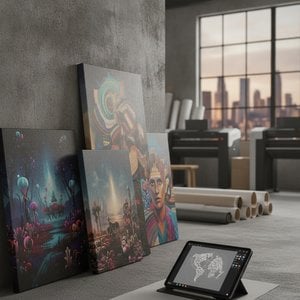
Francis Baconi: Visceralsete Maadlite Meister
Francis Bacon, kelle nimega on seostatud 20. sajandi kunsti rauwaim emotsionaalsus, sündis 1909. aastal Dublinis, Iirimaal. Tema elu oli kaugele võrreldes rahulikust ja stabiilsest, sest tihedad kolimised tema ema tervisemäärangute tõttu kasvatasid temas hätta- ja paikse puudumise tunde, mis oleks hiljem sügavalt mõjutanud maailmavaadet ning lõpuks kajastunud ka tema lõuastes. Tema ranged isa ja armsad vanaema Jessie Lightfootiga seotud keerulised suhted värvisid veelgi tema kujunemisaja emotsionaalset maastikku. Esialgu hobuste võidusõltuvusse ja hasartmängude elustiili tõmbunud Bacon triivis läbi erinevate ametite, enne kui pühendus lõpuks maalimisega tegelemisele hilises nooruses – viivitus, mis võib-olla intensiivistas tema hilisemate tööde kiirust ja jõudu. Ta ei saanud formaalset haridust, vaid rajas oma tee, omastades erinevaid mõjutusi ning arendades ainulaadset ja häiritsevat visuaalset keelt. Tema varajane elu oli täis seiklusi ja muutumist, mis kujundasid tema kunstnikuidentiteeti.
Varased Mõjud ja Kunstniku Sündimine
Baconi kunstiline ärkamine ei olnud hetkeline, vaid pigem muljete järkjärguline kogunemine. Pablos Picassot, eriti tema varajase kubismi moonutatud kujusid, peeti oluliseks, et ta vabastada traditsioonilisest esindamisest. Lisaks leidis ta inspiratsiooni Egon Schiele’i kummitavate fotode juurest, kelle ekspressiivsed inimkuju moonutused kõlasid koos Baconiga tema kasvava huviga eksistentsi haprus ja haavatavus vastu. Kuid Sergei Eisensteini filmi *Laevastiku Potemkin* juhuslik kohtumine pakkus otsustava katalüsaatori. Filmi sisulisel kujundusel, eriti karjuva näo lähivõttes, sai püsiva motiivi Baconi tööna, mis esindab algelist hirmu ja inimhinge sügavusi. Ta imetles ka Vanu Meistreid, eriti Diego Velázquezi, kelle *Paavst Innocent X portree* ta kuuluselt kogu oma karjääri jooksul uuesti tõlgendas, muutes autoriteetse paavsti kujuks vaevatud nägemuseks. Need mõjud ei olnud pelgud stilistilised laenud; nad omastati ja muundati Baconiga seotud ainulaadse tundlikkusega, mille tulemuseks oli kunstnikuvisioon, mis oli nii sügavalt isiklik kui ka universaalselt kõlav.
Allkirjastusstiili Loomine: Moonutus ja Isolatsioon
Baconi läbimurde hetk saabus 1944. aastal *Kolme Uuringuga Figuuridele Risti Põhja* teosega, mis šokeeris ja vaimustas publikut sõjaaegses Londonis. See triptühk asutas tema allkirjastusstiili – moonduvad, fragmentaarsed kujud, mis on piiratud kitsaste ruumidega. Need ei olnud religioosse kannatuse kujutusi, vaid pigem inimliku ahastuse sisuliselt lähedased uurimised, igasugustest lohutavate narratiividest või vaimulikkusest puhtad. Tema maalidel on sageli hägused või lahustuvad vormid, mis edastavad psühholoogilist rahutust ja füüsilist haavatavust. Ta kasutas sageli geomeetrilisi struktuure – kaare, karpe –, et piirata oma subjekte, rõhutades nende isolatsiooni ja abitusseisundit. Baconi palett oli tavaliselt kahvatunud ja kurv, mis peegeldas tema uuritud tumedaid teemasid, kuid see on täidetud intensiivsete värvide plahvatustega, mis suurendavad emotsionaalset mõju. Kaare kasutamine ei olnud pelgupjuhuslik kompositsioonielement; see sümboliseeris inimeksistentsile peetavaid sisemisi piire ja piiranguid. Ta püüdis tabada mitte ainult seda, *kui* asjad välja näevad, vaid *kui need tunduvad*, tõlgendades ärevuse, hirmu ja meeleheliste seisundite sisereaalset olekut brutalselt ausalt lõuendale.
Suri, Ahastus ja Inimolukorra Teemad
Kogu oma vilja saaste ajal naasis Bacon korduvalt teatud motiividele: ristist kannatuse sümbolina; portreed, mis süvenevad tema subjektide psühholoogilisse intensiivsusesse, sageli sõprade ja armastajate nagu George Dyeri hulka; ja eneseportreed, mis teenisid siserefleksiooni eksistentsiaalsete identiteedi ja surma uurimistena. Tema *Uuring Velázquezi Paavst Innocent X portree põhjal* (1953) sari on võib-olla üks tema ikoonilisemaid saavutusi, muutes Velázquezi uhke portree karjuva nägemuseks, mis kehastab eksistentsiaalset hirmu. George Dyeri portreed, tema volatiilse armastaja, on eriti melankoolsed ja jäädvustavad nii nende seose intensiivsust kui ka traagika varju. Baconi töö ei olnud spetsiifiliste inimeste kujutamine; see oli universaalseid teemasid uurimine – inimliku haavatavuse, isolatsiooni ja surma vältimatuse kohta. Ta ei põikanud eemale eksistentsi tumedatest aspektidest, vaid vastas neile otsekoheselt, sundides vaatajaid silmitsi seisma oma surmaga ja ärevusega.
Püsiv Pärand: Konventsioonidele Vastupanu
Francis Baconi mõju 20. sajandi kunstile on kahtlev. Ta esitas väljakutsetele traditsioonilistele esindusmõisted, hüljates idealiseeritud ilu rauw ja vabandamata inimolukorra kujutamise kasuks. Tema töö mõjutas sügavalt põlvkondi kunstnikke, avades uusi väljendusvorme ja väljakutsetes konventsionaalsetele kunstilistele piiridele.
- Sõjaaegne Ekspressionism: Baconi peetakse selle liikumise võtmefiguuriks, mõjutades kunstnikke tema julge stiili ja psühholoogilise sügavusega.
- Oksjonirekordid ja Muuseuminäitused: Tema maalijad jätavad oksjonitel kõrged hinnad ja neid eksibeeritakse üle maailma suurtes muuseumides, mis kinnistab tema koha kunstiajaloos.
- Tõde Konfrontatsioon: Baconi pärand peitub tema võimes silmitsi seista inimeksistentsi ebamugavate tõdedega ja tõlgendada neid võimsateks ja unustamatuteks kujutisteks.
Vaatamata turbulentsele isiklikule elule, mida märgistas hasartmängud, joomine ja keerulised suhted, jäi ta pühendunult oma kunstile kuni surmani 1992. aastal. Ta jättis maha teosekorpuse, mis jätkab publiku poole pöördumist tänapäevani, tuletades meile eksistentsi haprusest ja kunsti püsivast jõust konfrontatsiooniks inimhinge tumedaimatesse nurkadesse.
Tema maalijad ei ole pelgud kujutised; need on sisuliselt kogemused – tõend kunstniku püsiva võimsuse kohta provotseerida, häirida ja lõpuks valgustada inimolukorra keerukust.



 Vaata sisu
 Lülita trükkitoodetele
 Jaga teost
 Jaga
Jaga
 Detailid
 Guide
Guide

 Laadi alla
 Sarnased teosed
 Röntgenuuring
 Slaidietendus
 Statistika

 Loe lähemalt






































 Klaasivalik on saadaval ainult kuni 110 cm suuruses teostes