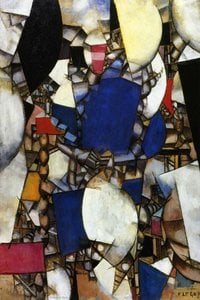
Kunstniku biograafia
Fernand Légeri Elu ja Pärand: Masinaaja Vaimustuses
Joseph Fernand Henri Léger, sündinud 1881. aastal Argentanis Normandias, oli prantsuse kunstnik, keda peetakse üheks olulisimaks kujuks modernismi arendamisel. Tema teekond maalijana algas lihtsatest juurtest – talupidaja poja kasvatuses –, kuid viis ta Pariisi avantgardisti ringkondadesse, kus ta lõi ainulaadset visuaalset keelt, mis peegeldas masinaaja vaimu ja muutis kunstimaailma. Léger ei põgenenud abstraktsiooni varjupaika nagu paljud tema kaasaajalased; pigem püüdis ta integreerida modernsuse – selle dünaamilisust, mehaanilisi vorme ja olemust – oma loomingusse, luues nii võimsalt abstraktsed kui ka sügavalt vaadeldavale maailmale juurdunud teosed. Tema varajane elu, mis oli läbi imbunud põllumajandusliku töö reaalsusest, pakkis tugeva kontrasti tööstuslikule tulevikule, millele ta nii kirglikult pühendus.
"Tubismi" Sünd ja Kulla Sektsiooni Liikumine
Légeri kunstiline tee pöördeliseks hetkeks kujunes Paul Cézanne'i retrospektiiv 1907. aastal. See sündmus vabastas Légeri konventsionaalsest esindamisest ning suunas ta poole rohkem geomeetrilise ja struktuuralise lähenemise suunda. Ta hakkas vorme dekonstrueerima, analüüsima nende põhivorme ja ümber ehitama lõuendile uut rõõmu asetades tahkusele ja mahule. See uurimine viis ta kiiresti kubismi orbiidile, kuid Léger ei soovinud lihtsalt Picasso või Braque'i stiili jäljendada. Ta arendas omaenda eripära – isikliku kubismi vormi, mida kriitikud mänguliselt hüüdisid "tubismiks". Tüüpiliseks tunnuseks olid silindrilised vormid, lamedad tasandid ja julged värvikontrastid, mis tähistasid masina esteetikat ammu enne kui see sai laialdasemaks kunstiliseks tegevuseks. See oli kunst, mis sündis kasvava tööstusmaailma vaatlemisest, tunnustades ilu selle funktsionaalsetes vormides ja mehaanilistes rütmides. Aastatel 1909–1914 osales Léger aktiivselt avantgardisti tegevuses, liitudes Jean Metzingeri, Henri Laurensi, Jacques Lipchitzi, Chaïm Soutine'i, Robert Delaunay ja teiste kunstnikega.
Sõda, Mehhaniseerimine ja Uus Esteetika
Esimene maailmasõda mõjutas sügavalt Légeri elu ja tööd. Frontis teenistuses aastatel 1914–1916 tutvus ta kaasaegse sõja brutaalse reaalsusega – suurtükipommardamistest, õhulahingutest ja mehaanika dehumaniseerivatest mõjudest. See kogemus ei viinud pettumusse ega modernsuse hüljatesse; pigem tuletas see veelgi rohkem rõhutama tema masinatele pühendumist ja nende võimu. Tema teenistusaegadel tehtud joonistused dokumenteerisid sõjalise tehnoloogia karmi ilu, muutes hävitusvahendid kunstilise kaalutluse objektideks. Naasmisel tsiviil-ellu läks Légeri esteetika veelgi edasi arendades. Tema maalidel hakkasid kajastuma lihtsustatud mehaanilised tunded, tähistades tööstusmaailma dünaamilisust ja tõhusust. *Sõdur suitsega* (1916) näitab seda muutust, kujutades lihtsaid vorme ja julgeid värve, mis kutsuvad esile mehaanilise täpsuse tunde. See ei olnud pelgalt esteetiline valik; see oli filosoofiline avaldus – kinnitus modernsuse potentsiaalile edeneda ja uueneda isegi hävitava konflikti järel.
Pärand ja Püsiv Mõjutus
Sõjajärgsetel aastatel jätkas Léger tööstusmaailma ristumiskoha uurimist, lootes teoseid, mis tähistasid modernset elu ainulaadse värvimuhingu abil abstraktsiooni ja kujutuse vahel. Tema *Paysages animés* (Animeritud Maastikud) sarjast 1921. aastal näitasid figuuride ja loomade sujuvat integreerimist lihtsustatud kompositsioonidesse, hägustades piire orgaanilise ja anorgaanilise vahel. Ta eksperimenteeris ka skulptuuriga ja filmitegemisega, laiendades oma kunstipraktikat traditsiooniliste maalide piirde väljast. Légeri mõju järgmisele kunstnike põlvkondadele on eitamatud. Tema vormi julge lihtsus, tööstusliku kujutise omaksvõtmine ja populaarkultuuri tähistamine eelnenud Pop Art tekkimist aastakümneid hiljem. Sellised kunstnikud nagu Roy Lichtenstein ja Andy Warhol on selgelt võlgnud Légeri pioniiri tööd. Ta sillutas vahet abstraktsiooni ja kujutava esituse vahel, näitudes, et on võimalik luua teoseid, mis on nii intellektuaalselt ranged kui ka visuaalselt kaasahaaravad. Tänapäeval leidub Fernand Légeri maalide koosseisus suuremates muuseumides üle maailma, sealhulgas Prantsuse Musée d'Art et d'Histoire ja Biot's asuvas Musée National Fernand Légeris, mis on pühendatud ainult tema tööle. Ta jääb 20. sajandi kunsti hiiglasseks – visionäär, kes julges leida ilu masinaaja seest ja tõlkida selle lõuendile võrratu julgusega ja originaalsusega. Tema pärand on mitte ainult maalijana, vaid ka modernsuse prohvetina. Tõeline pioneer, kelle töö kõlab täna publikus endiselt.



 Vaata sisu
 Lülita trükkitoodetele
 Jaga teost
 Jaga
Jaga
 Detailid
 Juhend

 Laadi alla
 Sarnased teosed
 Röntgenuuring
 Slaidietendus
 Statistika

 Loe lähemalt