Vaata sisu Vaata AR-eelvaadet Telli käsitsi maalitud reproduktsioon Ülemineku digitaalse pildi müügi kanalisse Jaga teost
Detailid Õppekate juhend Lisa lemmikutesse Laadi alla Sarnased teosed Röntgenuuring Slaidietendus Statistika

andromeda - -

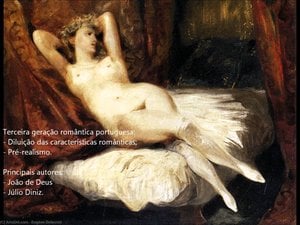
A vibrant symphony of color and sorrow, this Romantic masterpiece by Eugène Delacroix captures the vulnerability of Andromeda through expressive brushwork and dramatic light, inviting you to explore this timeless legend.

Avastage Eugène Delacroix, prantsuse romantismi võtmeinimest! Tutvuge tema dramaatiliste stseenide, eksootiliste teemade ja meisterliku värvikasutusega. Vaadake ikoonilisi töid nagu "Rahva juht Liberty". #Delacroix #Romantism #Prantsuse kunst

Giclée / Kunstiprint

Muuseumikvaliteediga giclée- või kangasprint kiire tootmisega ja paindlikud viimistlusvõimalused. ( Telli käsitsi maalitud reproduktsioon Ülemineku digitaalse pildi müügi kanalisse)

Corner sample of the P118B picture frame: vormitud polüstüreen, 5 cm wide and 3 cm thick
P118B €10
Corner sample of the P118H picture frame: vormitud polüstüreen, 5 cm wide and 3 cm thick
P118H €10
Corner sample of the P118W picture frame: vormitud polüstüreen, 5 cm wide and 3 cm thick
P118W €10
Corner sample of the P438Z picture frame: vormitud polüstüreen, 5.5 cm wide and 3.5 cm thick
P438Z €10
Corner sample of the P508JH picture frame: vormitud polüstüreen, 7 cm wide and 3.5 cm thick
P508JH €12
Corner sample of the P508YH picture frame: vormitud polüstüreen, 7 cm wide and 3.5 cm thick
P508YH €12
Corner sample of the P805H picture frame: vormitud polüstüreen, 5 cm wide and 3.5 cm thick
P805H €10
Corner sample of the P805Z picture frame: vormitud polüstüreen, 5 cm wide and 3.5 cm thick
P805Z €10
Corner sample of the P919BZ picture frame: vormitud polüstüreen, 7 cm wide and 3.5 cm thick
P919BZ €10
Corner sample of the P919G picture frame: vormitud polüstüreen, 7 cm wide and 3.5 cm thick
P919G €10
Corner sample of the P919XJ picture frame: vormitud polüstüreen, 7 cm wide and 3.5 cm thick
P919XJ €10
Corner sample of the P959ZH picture frame: vormitud polüstüreen, 5 cm wide and 3 cm thick
P959ZH €10
Corner sample of the P968JZ picture frame: vormitud polüstüreen, 6 cm wide and 4 cm thick
P968JZ €12
Corner sample of the W106C picture frame: tammepuu või massivpuit, 5 cm wide and 3 cm thick
W106C €8
Corner sample of the W218G picture frame: tammepuu või massivpuit, 5 cm wide and 3 cm thick
W218G €10
Corner sample of the W218JH picture frame: tammepuu või massivpuit, 5 cm wide and 3 cm thick
W218JH €8
Corner sample of the W218Y picture frame: tammepuu või massivpuit, 5 cm wide and 3 cm thick
W218Y €10
Corner sample of the W307PJ picture frame: tammepuu või massivpuit, 6 cm wide and 3 cm thick
W307PJ €10
Corner sample of the W316G picture frame: tammepuu või massivpuit, 6 cm wide and 3 cm thick
W316G €10
Corner sample of the W316PJ picture frame: tammepuu või massivpuit, 6 cm wide and 3 cm thick
W316PJ €8
Corner sample of the W316Y picture frame: tammepuu või massivpuit, 6 cm wide and 3 cm thick
W316Y €10
Corner sample of the W398PJ picture frame: tammepuu või massivpuit, 5 cm wide and 3 cm thick
W398PJ €8
Corner sample of the W4111J picture frame: tammepuu või massivpuit, 6.5 cm wide and 3.5 cm thick
W4111J €10
Corner sample of the W500HY picture frame: tammepuu või massivpuit, 7 cm wide and 5 cm thick
W500HY €15
Corner sample of the W500JH picture frame: tammepuu või massivpuit, 7 cm wide and 5 cm thick
W500JH €15
Corner sample of the W692G picture frame: tammepuu või massivpuit, 8 cm wide and 4 cm thick
W692G €12
Corner sample of the W849H picture frame: tammepuu või massivpuit, 5 cm wide and 3 cm thick
W849H €8
Corner sample of the W940BG picture frame: tammepuu või massivpuit, 7.5 cm wide and 4.5 cm thick
W940BG €15
Corner sample of the W953PJ picture frame: tammepuu või massivpuit, 6 cm wide and 3.5 cm thick
W953PJ €8

Standardne suurus
kohandatud
CM
INCH

Vali meie eelmääratud suurused, mis vastavad teose algupärastele proportsioonidele.

laius
kõrgus

Sisestage vajalik laius ja kõrgus, et see sobiks teie raamile või seinale. Trükki saab ainult lõigata, seda ei saa kunagi pildist suuremaks teha, seega ka differentse vormiga suurus kaotab osa pildist. Enne trükkimist saadame teile kinnitamiseks digitaalse näidisprojektsiooni. Sellel lehel näidatud pilt ei kujuta reaalset lõiget — seda näitab ainult näidisprojekttsioon.

Ülemaailmne tarne () 2 nädala jooksul, tavalise 4/5 nädala asemel. (26 oktoober)

Tasuta ekspresssaatmine üle maailma
Kõrgekvaliteediline lina-kangastest muld
Täielik transpordikindlustus
Tollimaksude tagastamise garantii
Värvitoime täpsuse garantii
100 päeva tagastusõigus (ainult defektide korral)
100% raha tagasi garantii
Hulgusoodustus

Kogu summa

€ 60

andromeda - -

Giclée / Kunstiprint

Reproduktsiooni mõõtmed

-

Lõppsumma

€ 60

Teave teose kohta

  • Movement: Romanticism
  • Title: Andromeda
  • Artist: Eugène Delacroix
  • Influences:
    • Rubens
    • Titian
  • Notable elements or techniques: Dynamic light play; Rich colors & textures
  • Subject or theme: Mythological storytelling

Kunstiteaduse kvartett

Iga küsimuse kohta on ainult üks õige vastus.

Küsimus 1:
What artistic movement is Eugène Delacroix’s ‘Andromeda’ primarily associated with?
Küsimus 2:
Where is ‘Andromeda’ currently housed?
Küsimus 3:
The painting depicts a mythological story featuring Andromeda. Who rescued her from the sea monster?
Küsimus 4:
What is a key characteristic of Delacroix’s technique in ‘Andromeda’?
Küsimus 5:
How does the contrast between the dark rocky background and Andromeda's skin contribute to the painting’s emotional impact?

A Symphony of Color and Sorrow

In the vast tapestry of the Romantic era, few works capture the raw, pulsating essence of human vulnerability quite like Eugène Delacroix’s Andromeda. Completed in 1852, this oil on canvas is far more than a mere mythological illustration; it is a profound exploration of emotion, individualism, and the sublime power of nature. As one gazes upon this masterpiece, currently held in the esteemed Museum of Fine Arts, Houston, the viewer is immediately transported to a desolate, windswept landscape where the boundaries between physical suffering and celestial longing begin to blur. Delacroix, a titan of the French Romantic school, rejects the cold, calculated precision of Neoclassicism in favor of a more visceral experience, inviting us to feel the very heartbeat of the tragedy unfolding before our eyes.

The subject matter draws deeply from the wellspring of Greek mythology, recounting the harrowing plight of Andromeda, daughter of King Cepheus and Queen Cassiopeia. Chained to a jagged rock as a sacrificial offering to appease the sea god Poseidon, Andromeda stands as a symbol of profound isolation. Yet, within this moment of extreme peril, Delaculate finds a breathtaking beauty. The composition focuses on her nude form, emphasizing a delicate physical fragility that contrasts sharply against the imposing, rugged textures of the rocky shore. It is a narrative of tension—the stillness of the victim set against the implied turbulence of the approaching storm and the divine wrath of the sea.

Mastery of Light and Expressive Brushwork

Technically, Andromeda serves as a masterclass in the signature Delacroix style. The artist utilizes a vibrant, emotive palette where rich reds, deep blues, and lush greens dance across the canvas to create an atmosphere of dynamic movement. Rather than relying on rigid outlines, Delacroix employs loose, expressive brushstrokes that capture the flickering interplay of light and shadow. This use of chiaroscuro—the dramatic contrast between brilliance and obscurity—serves to heighten the emotional stakes, drawing the eye toward the luminous glow of Andromeda’s skin, which seems to radiate a warm, ethereal light amidst the surrounding gloom.

For the discerning collector or interior designer, this piece offers an unparalleled depth of texture and color. The way the light catches the undulating surfaces of the canvas creates a sense of life that is rare in static portraiture. The painting does not merely sit upon the wall; it breathes. The masterful blending of colors ensures that the artwork possesses a multidimensional quality, making it a commanding focal point for any sophisticated space. Whether placed in a gallery-style setting or a curated private study, the work’s ability to evoke both grace and strength provides a continuous source of visual and emotional inspiration.

An Enduring Legacy of Romanticism

To possess a reproduction of this caliber is to hold a fragment of art history's most transformative period. Delacroix’s work was revolutionary because it prioritized the feeling of the subject over the mere accuracy of its form. In Andromeda, we see the culmination of his quest to capture the sublime—that overwhelming sense of awe and terror that comes from witnessing nature's grandeur. The painting remains a poignant reminder of the human struggle against fate, rendered with a sensuality and strength that transcends the centuries.

For those seeking to infuse their surroundings with a sense of drama, history, and profound beauty, this depiction of Andromeda stands as an eternal icon. It is a work that invites contemplation, offering a window into a world where myth and emotion are inextricably linked, and where every brushstroke tells a story of survival and splendor.

Küsimused ja vastused

Mis on teose „andromeda - -“, autor Eugène Delacroix tehnika ja mõõdud?

Teose „andromeda - -“, autor Eugène Delacroix tehnika on Oil On Canvas ning selle mõõdud on 33 x 25 cm.

Millises suuruses ja mille suunaga on "andromeda - -" trükkimist soovitatav teha?

Teose "andromeda - -" puhul on soovitatav trükiรูปแบบ on Small suurusega ja Portrait suunaga.

Kas „andromeda - -“, autor Eugène Delacroix kuulub nõutudud Romanticism teostega?

Romanticism suunnas on teos "andromeda - -" Recognized populaarsusega.


Kunstniku elulugu

Revolutsiooniline Pinsel: Eugène Delacroix’ elu ja pärand

Ferdinand Victor Eugène Delacroix, sündinud 1798. aastal Charenton-Saint-Maurice'is Pariisi lähedal, ei olnud pelgalt maalikunstnik; ta oli romantismivaimu kehastus. Tõusnud Prantsuse kunsti juhtfiguuriks ühiskondliku keerukuse ja muutuvate esteetiliste ideaalide perioodil, lükkas Delacroix tagasi neoklassitsismi jäigad vorminorme, omaks võttes draamat, emotsioone ja elavat värvipaletti, mis muutsid kunstimaailma igaveseks. Tema elu, kuigi isikliku tragöödiaga märgitud, sai lahutamatult seotud tema kunstilise visiooniga – otsinguga tabada sublime, uurida eksootilisi maailmu ja väljendada inimese kogemuse toorest jõudu.

Delacroix’ varased aastad olid kujundatud keerulise perekonnaajaloo ja veidi hapra tervise poolest. Orvuks jäänud kuueteistkümne aasta vanuselt leidis ta juhendaja Charles-Maurice de Talleyrand-Périgordi isikus, keda paljud uskusid olevat tema tõeline isa. See seos andis talle olulist patroonitust ja juurdepääsu Pariisi kunstimaailma. Ta õppis alguses Pierre-Narcisse Guérini juures, austatud akadeemilise maalikunstniku käe all, kuid just Théodore Géricault’ töö – eriti tema monumentaalne *Medusa praam* – süütas tõeliselt Delacroix’ kunstilise kire. Ta poseeris isegi Géricault'le, omandades vanema kunstniku pühendumuse realismile ja emotsionaalsele intensiivsusele.

Ajaloolistest Stseenidest Eksootiliste Visioonideni

Delacroix tungis Salon’i stseenile 1822. aastal teosega *Dante ja Vergilius põrgus*, mis andis koheselt märku tema lahknevusest kehtivatest normidest. Dante Alighieri *Inferno*st inspireeritud maal esitles julget värvikasutust, dünaamilist kompositsiooni ja käegakatsutavat psühholoogilist pinget. See tähistas karjääri algust, mis oli pühendatud kirgede, konfliktide ja inimlikku olukorra uurimisele. Kuigi esialgu kohtusid reaktsioonid segaselt – mõned kriitikud kiitsid tema originaalsust, teised lükkasid tema töö tagasi kui kaootilist ja klassikalise viimistletsuseta – Delacroix püsis, arendades eripärast stiili, mida iseloomustas lahtine pintslimaal, rikkalik tekstuur ja rõhk liikumisele.

Tema huvi ulatus kaugemale ajaloolistest ja kirjanduslikest teemadest. Pöördepunktiline reis Põhja-Aafrikasse 1832. aastal mõjutas sügavalt tema kunstilist trajektoori. Sukeldudes Maroko elavasse kultuuri, oli Delacroix vaimustatud eksootilistest maastikestest, araabi hõimude nomadielustiilist ja nende traditsioonide intensiivsusest. See kogemus andis tema maalidele uue värvi-, valguse- ja energiatunde, nagu on näha teostes *Arab Horses Fighting* ja arvukates Alžeeria elu uuringutes. Ta ei piirdunud lihtsalt nende stseenide dokumenteerimisega; ta otsis arusaama erineva kultuuri alusvaimust.

Värvi Võim ja Poliitiline Engagement

Delacroix’ värvivaldamine on vaieldamatult tema püsivaim pärand. Ta ammutas inspiratsiooni Rubensi barokkse luksusest ja Veneetsia renessansi meistritest, seades kromaatilise intensiivsuse prioriteediks täpse joonistuse ees. Ta mõistis, et värv võib äratada emotsioone, luua atmosfääri ja edastada tähendust viisidel, mida joon ei suudaks. See uuenduslik lähenemine mõjutas sügavalt järgnevaid kunstipõlvkondi, sillutades teed impressionismile ja postimpressionismile.

Lisaks esteetilistele uuendustele oli Delacroix poliitiliselt kaasatud kunstnik. Tema kõige ikoonikum töö, *Vabadusejuhtinud Rahvas* (1830), ei ole lihtsalt juulirevolutsiooni kujutus; see on võimas vabaduse ja mässu allegooria. Maali dünaamiline kompositsioon, allegoorilised figuurid ja toorest emotsionaalset jõudu kinnistas selle koha kunstiajaloo sümbolina Prantsuse rahvusliku identiteedi ja revolutsiooniliste ideaalide märgiks. See ei piirdunud sündmuse dokumenteerimisega; see oli pühendatud riigi vabadusvõitluse vaimu tabamisele.

Püsiv Mõju

Delacroix jätkas viljakat maalimist kogu oma elu, uurides mitmekesiseid teemasid Shakespeare’i tragöödiatest piibellugudeni. Ta andis olulise panuse ka litograafiasse, illustreerides kirjanduslike gigantide nagu William Scotti ja Johann Wolfgang von Goethe'te teoseid. Tema stuudio sai kunstilise vahetuse keskuseks, meelitades aspirante, keda tõmbas tema ebatraditsiooniline lähenemine.

1863. aastal suri Delacroix kindlalt Prantsusmaa suurimate kunstnike hulka. Tema mõju ulatus kaugemale romantismiliikumisest, kujundades kaasaegse maalikunsti arengut ja inspireerides lugematuid kunstnikke julge värvikasutuse, dünaamiliste kompositsioonide ja vankumatu pühendumisega emotsionaalsele väljendusele. Ta jääb oluliseks figuuriks kunstiajaloo – tunnistuseks individuaalse visiooni jõust ja sublime’i püsivast võlust.

Eugène Delacroix

Eugène Delacroix

1798 - 1863 , Prantsusmaa

Lühikest infot

  • Artistic Movement Or Style: Romantismi kunst
  • Artists Or Movements Influenced By This Artist:
    • Impressionism
    • Postimpressionism
  • Artists Who Influenced This Artist:
    • Rubens
    • Venetsia meistrid
  • Date Of Birth: 26. aprill 1798
  • Date Of Death: 13. august 1863
  • Full Name: Eugène Delacroix
  • Nationality: Prantslane
  • Notable Artworks:
    • Vabaduse juhtimine
    • Sardanapali surm
  • Place Of Birth: Chantonnay, Prantsusmaa
Avastage teoseid, mis on koondatud teemade, stiilide ja omaduste kaupa.