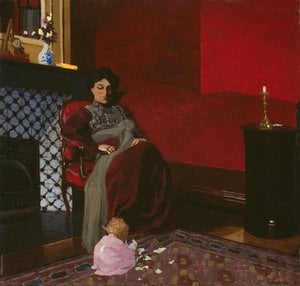
Elu ja maailmad: Félix Vallottoni kunst ja sajandivahetuse vaim
Félix Édouard Vallotton, sündinud 1865. aastal Lausanne’is Šveitsis, oli kunstnik, kelle looming kehastas sajandivahetuse keerukat vaimu. Ta liikus oskuslikult oma Šveitsi juurte ja Pariisi elava kunstimaailma vahel, saades lõpuks oluliseks kujuks modernse kunsti arengus. Tema varajane elu, mis oli sügavalt konservatiivsete protestantlike väärtuste sees – isa oli apteeker, hiljem šokolaadimeister – pakkus teravat vastandust boheemlikule maailmale, mille ta kunstnikuna omaks võttis. Kuigi algselt suunati klassikalistele õpingutele Collège Cantonali kolledžis, viis Vallottoni kirg visuaalse väljenduse vastu ta 1882. aastal Pariisi, kus ta astus Académie Julian’i. See ei olnud mitte ainult geograafiline ümberasumine, vaid ka sügav perspektiivimuutus, sukeldudes kunstilise uuendusmeelsuse ja intellektuaalse kihiseva keskmesse. Tema akadeemiline väljaõpe andis tugeva tehnika aluse, kuid kohtumised uute avangardsete ringidega süütasid tõeliselt tema loovutrajektoori.
Nabistide mõju ja intiimsuse keel
Vallottoni kunstiline areng tegi otsustava pöörde 1892. aastal, kui ta liitus *Les Nabis* – noorte kunstnike rühmaga, kuhu kuulusid Pierre Bonnard, Édouard Vuillard ja Maurice Denis. Kuigi teda sageli peeti grupis veidi väljapoole jäävaks, osutus tema seotus otsustavaks tema eripärase stiili kujundamisel. Nabistid soovisid lisada kunstile vaimset kvaliteeti, uurides sümbolismi ja dekoratiivseid esteetikaid. Vallotton omastas need mõjud, kuid filtreeris need oma unikaalse tundlikkuse kaudu, mida iseloomustas lahe eraldatus ja kompromissitu realism. See väljendub kõige võimsamalt tema puugravüüride seerias, eriti *Intimités* (1898). Need kümme sisestseen on tähelepanuväärsed oma psühholoogilise intensiivsuse poolest, kujutades pingelisi kohtumisi meeste ja naiste vahel häiriva otsekohesususega. Need ei ole romantilised või kirglikud narratiivid, vaid uurimused pinge, võimu dünaamika ja varjatud keerukuste kohta koduselus. Musta ja valge teravad kontrastid tema puugravüürides – teadlik viide Jaapani *ukiyo-e* trükkidele – süvendavad ärevustunnet ja psühholoogilist uurimist.
Puugravüüri meister ja maalilised nüansid
Vallottoni meisterlikkus ulatus kaugemale maalimise valdkonnast; teda tähistatakse laialdaselt puugravüüride virtuoosina, taaselustades selle keskkonda oma uuenduslike tehnikatega. Ta omaks võttis vormi lihtsuse ja otsekohesuse, kasutades julgeid jooni ja teravaid kontraste loomiseks piltidele, mis olid nii visuaalselt põnevad kui ka emotsionaalselt resonantsed. Tema trükid ei olnud pelgalt illustratsioonid, vaid iseseisvad kunstiteosed, sageli satiirilised, kommenteerides sotsiaalseid konventsioone ja poliitilisi küsimusi. Samal ajal jätkas Vallotton oma maalistiili arendamist, liikudes puhtakast akadeemilisest lähenemisviisist isiklikuma väljenduse poole. Ta oskuslikult tasakaalus realism peente sümboliliste alatoonidega, luues portreid, maastikke ja natüürmorte, millel on salapärane kvaliteet. Tema hilisemad maalid demonstreerivad täiustatud tehnikat, mida iseloomustavad hoolikalt moduleeritud värvid ja vormi täpne renderdamine. Ta maalis sageli *paysages composés* (“komponeeritud maastikke”), mis on konstrueeritud mälestuste ja vaatluste põhjal, millele on lisatud rahu ja melanhoolia tunnet.
Pärand ja kestev mõju
Félix Vallottoni mõju kajas kogu 20. sajandi alguses, mõjutades kunstnikke nagu Edvard Munch ja Ernst Ludwig Kirchner. Tema kompromissitu pilk, psühholoogiliste teemade uurimine ja puugravüüritehnikate uuenduslik kasutamine rajasid tee uutele kunstilistele väljendustele. Ta suri Pariisis 1925. aastal, jättes maha loomingu, mis jätkab tänapäevalgi vaatajaid lummanud ja väljakutseid esitades. Tema kunst on poeetiline peegeldus sajandivahetuse ärevustest ja vastuoludest, pakkudes pilku maailma muutuste lävel.
Vallottoni pärand ei seisne mitte ainult tema tehnilises briljantsuses, vaid ka tema võimes tabada inimkogemuse keerukust ausalt, intelligentselt ja kestva müsteeriumitundega. Ta jääb veenva kujuna – Šveitsi kunstnikuks, kes leidis oma hääle Pariisis, ühendades traditsiooni ja modernsuse, realismi ja sümbolismi, jättes kustumatu jälje kunsti ajalukku.
- Artisti liikumine või stiil: Postimpressionism, Sümbolism
- Kunstnikud või liikumised, mida see kunstnik mõjutas: Edvard Munch, Aubrey Beardsley, Ernst Kirchner
- Kunstnikud, kes seda kunstnikku mõjutasid: Holbein, Ingres, Jaapani puugravüür
- Sünnipäev: 28. detsember 1865
- Surmapäev: 29. detsember 1925
- Täisnimi: Félix Vallotton
- Rahvus: Šveits/Prantsusmaa
- Olulised kunstiteosed: Intimités, Bathers on a summer evening, Moonlight
- Sünnikoht: Lausanne, Šveits



 Vaata sisu
 Lülita trükkitoodetele
 Jaga teost
 Jaga
Jaga
 Detailid
 Juhend

 Laadi alla
 Sarnased teosed
 Röntgenuuring
 Slaidietendus
 Statistika


 Loe lähemalt