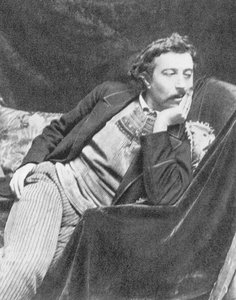
Kunstniku elulugu
Julkuse värvidega maaldatud elu: Paul Gauguini maailm
Eugène Henri Paul Gauguin, nimi, mis kõlab kütkestava värviga ja rebellimeelusega, on keskmine tegelane impressionismist moderniseeritud kunstini ülemumisel. 1848. aastal Pariisis sündinud elu oli kaugeval tavapärasest. Tema varajased aastad olid kujundatud ebatavalise kasvatusega; tema isa oli ajakirjanik ning ema pärines Peruu aristokraatiast — tema vanaema, Flora Tristan, oli uuendav feminist ja sotsialistlik kirjanik, kelle ideed kõlastasid ilmselt sügavalt kogu peres. See pärand kujundas sügavalt Gauguini kunstilist visiooni, installeerides temasse kummarduse Euroopa väljaspool asuvate kultuuride vastu. Lapsuus, mis viigati Perule pärast tema perekonna 1eks kolandumiks 1850. aastal, uputas teda maailma, mis oli Pariisi ühiskonnast vastly erinev — kogemus, mis jäänud meelde ja kust lõpuks sai kütkestajaks tema otsingutele kunstilises autentsuses. Pärast isa surma Prantsa riiki naasides, sai Gauguin klassikalise hariduse, kuid tõmbus teda mitte akadeemiline maailm, vaid kasvav finantsmaailm, alustades karjääri väärtpaberite vedajana — tee, mis tundus olevat kooskõimatud tema ees ootva kunstilise saatusest.
Finantsidest kunstilise kutsumuse juurde
Aastate aega juhtas Gauguin topeltelu, jälgiades hoolsalt oma äriprojektid, samal ajal kui salaja toitlustas maaliarmastust. Algul olnud ta mõjutatud impressionistidest ning alustas vabaajal värvi ja valgusega eksperimenteerimist, kuid tundis peagi piirangut nende pühendumuses ajutiste reaalsuse hetkede tabamisele. 1882. aasta finantskriis tõi kaasa pöördumispunkti, sundides teda loobma oma tulusat karjääri ja kogu südamega oma kunstilist kutsumust omastama. See ei olnud pelgalt ametinimetuse vahetus; see oli fundamentaalne muutus maailmapildis. Ta otsis nõu Camille Pissarolt, kes rohustas tema arengut ja tutvustas teda Pariisi avantgardsetele ringidele. Kuid Gauguin hakkas kiiresti eralduma impressionistlikest põhimõtetest, igatsedes midagi ekspressiivsemat, sümboolikat — vahendit, mis edastaks mitte ainult seda, mida ta *nägi*, vaid ka seda, mida ta *tundis*. See soov juhtis teda kunstilise uuringureisi, mis viis teda kaugele Pariisi salongidest sügavale "primitiivsete" kultuuride südamesse. Ta ei olnud huvitatud pelgalt nende kultuuride kujutamisest; ta püüdis omastada nende olemust, uskudes, et need kannavad puhtust, mis lääne tsivilisasjonist on kadunud.
Britannia ja Tahiti kutse
Gauguini kunstiline evolutsioon oli lahutusmatult seotud tema reisidega. Ta viitas Britanni territooriumidel, lummatuses karge maastiku ja selle rahva sügavalt juurdunud traditsioonide vastu. See periood nägi teda eksperimenteerimas lamedate vormide, julgete kontuuride ja kompositsiooni lihtsustamisega — tehnikatega, mis viisid teda kaugemale naturalismist ja lähemale sümbolistlikule keelele. Kuid alles tema reis Tahitile 1891. aastal vabastas tõeliselt tema loovpotentsiaali. Otsides peitupa, mida ta pidas Euroopa tsivilisatsiooni kumedaks piiranguks, lootis Gauguin leida inspiratsiooni polineesia kultuurist, uskudes, et see pakub puhtamat ja autentsemat eluviisi. See ei olnud pelgalt kunstiline püüdlemine; see oli vaimne otsing. Ta uputas end kohalikesse kommidesse ja usus, kujutades polineesia naisi, maastikke ja religioosne tavad oma unikaalse vaate läbi. Mõjutatud Jaapani impressionistlikest etmoodidest — Japonismist — ning keskaagedast kunstist, arendas ta eripärase esteetika, mida isvestasid eraldavad värvid, eksotiline teema ja salapära hägud. Ikoonlikud teosed nagu “Vahine no te miti” (Naine mangoga), “Manao Tupapau” (Surnud vaimu vahetus) ja <<|image>b>“Jumalate päev” sündisid sellest ajast, kinnistades tema mainet visjonärlikuna kunstnikuna. Tema värvikasutus muutus üha julgemaks ja mitte-naturalistlikuks, serveerides eesmärgiga mitte reaalsuse kopeerimine, vaid emotsiooni ja vaimse tähenduse väljendamine.
Pärand ja kontroverss
Hoolimata oma kunstilistest läbimurkidest, oli Gauguini elu sageli rasketest katsmustest saanud. Ta võitles finantsitundlikkuse ja haiguse sagedusega oma ajast Tahitil ning hiljem Markiisisaartel, kuhu ta lõpuks asustas. Ometigi jätkas ta viljakat maalimist, uurides väsimatult elu, surma ja vaimsuse teemasid. Ta surmas 1



 Vaata sisu
 Lülita trükkitoodetele
 Jaga teost
 Jaga
Jaga
 Detailid
 Juhend

 Laadi alla
 Sarnased teosed
 Röntgenuuring
 Slaidietendus
 Statistika
 Loe lähemalt






































 Klaasivalik on saadaval ainult kuni 110 cm suuruses teostes