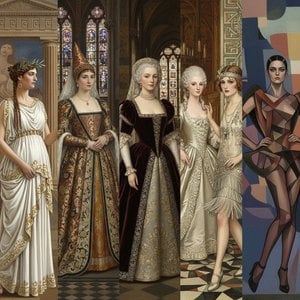
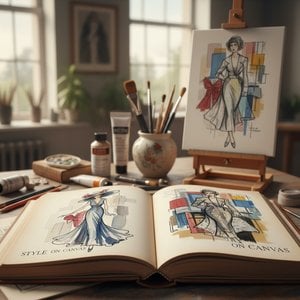
rebellioonlik vaim altaõõus: Elsa Schiaparelli maailm
Elsa Luisa Maria Schiaparelli, nimi, mis on sünkronneeritud julge stiili ja surrealistliku innovatsiooni sümboliga, muutis 20. sajandi moemaastikut muutlikult. Sündides 1890. aastal aristokraatlikku Rooma perekonda, oli tema elu kaugevalt ebatraditsiooniline. Erinevalt paljudest oma ajastikeltest, kes järgaldasid kehtivaid ühiskondlikke norme, omas Schiaparelli võrgutav ja iseseisva vaimu, mida kütitas intellektuaalne uudishimik ja eelimine ootuste täitmist. Tema isa, Celestino Schiaparelli, tuntud islamistika ja sanskriti uurija, lõi õppetundliku keskkonna, samas kui tema ammuna, astronoom Giovanni Schakatelli – kuulus Marsi "kanalite" enda vaatlustest –, süütele tema sees kogu eluajalise kummarduse kosmosile ja ebatavalisele. See unikaalne kasvatus sisaldas armastust kunsti, müroloogia ja esoteerilise mõtte vastu, mis kujundas sügavalt tema esteetilist visiooni. Varajased rebellite tendentsid avaldusid mitte ainult ühiskondlike ootustega vastuolu kaudu, vaid ka tema turbulentses isiklikus elus, sealhulgas abielus salapärase Wilhelm de Kerloriga, eneseavatud psühhikuga, kelle mõju surus teda edasi spiritualsuse ja okkultistsete praktikate maailma – teemad, mis imastasid peaaegu nähtamatult ka tema hilisemaid kujundusi.
lasikootidest surrealistlikud manifestid: moemaja sünni lugu
Schiaparelli teekond moemaailma sisse oli alguses pragmatiline, sündides rahulolematust senise stiilidega. Ta alustas 1920ndate lõpus triikatiga eksperimenteerides, tuvastades turul tühimikku mugavate, kuid sofisteeritud riideid vajavatele klientidele. 1927. aastal asutas ta Pariisis oma moemaja, laiendades kiiresti oma tegevust kootistest kuni täieliku altaõõusette kujunduste valdkonda. Kuid just 1mustates aastades jõudis Schiaparelli oma tõelise au nn kätte, luues murdiliku koostöö surrealistliku liikumise juhtivate kunstnikudega. See periood märkis radikaalset lahkumist Pariisi moode valitsevast elegantsist, mida isutasid voolavad siluetid ja peidetud glamuur. Schiaparelli kujundused olid tahtlikult provokatiivsed, mängulised ja sageli segadust tekitavad, omades enda igas absurduses ja ründades konventsionaalseid ilu mõisteid. Tema partnerlus Salvador Dalíga osutus eriti viljakaks, tulemutes ikooniliste loomingutena nagu Homaruslik kleit (1937), kus sündis viltliine homarus iitatus siidile, ja Kingakenaga (1938) – lummav aksessuaar, mis oli kujundatud nagu kõrgekandiline king. Ka Jean Cocteau panustas märkimisväärselt tema tööst, luues silmapaistvaid tikandeid ja aksessuaare, mis tõstsid surrealistlikku esteetikat veelgi kõrgemale.
šokiroosa ja trompe-l'œil: ainulaadse esteetika määratlemine
Schiaparelli kujundused olid koheselt tuntustavad oma julge värvikasutuse poolest, eriti tema signatuurvärv "šokiroosa" – vibrantne, peaaegu agressiivne toon, mis vastu seisas paljude tema ajastikelte eelistatud vaigete palettide vastu. See julge valik sai sümboliks tema rebellimehlest ja resolutsioonile murda kehtivaid norme. Lisaks värvile kasutas Schiaparelli meisterlikult *trompe-l'œil* efekte, luues illusioone, mis hävitavad piirid kunsti ja mode vahel. Ta lisas oma kujundustesse ootamatuid materjale – nahka, metalli, isegi ajalehepaberit –, lükates tekstiilinovatsiooni piire. Tema kollektsioonid said sageli inspiratsiooni müroloogiast, loodusest ja igapäevastest esemestest, muutes need kantlikuks kunstiteosteks. 1938. aasta Sirkuse kollektsioon seisab selle mängulise lähenemise tõendina, sisaldades teatraalseid kostüümide, mida kaunistasid lummavad motiivid ja suurendatud siluetid. 1936. aasta õhtukleit näitas tema julget naha kasutamist kõrge moode maailmas, demonstreerides valmidust eksperimenteerida ebatavalistega materjalidega. Schiaparelli ei disaininud lihtsalt riideid; ta lõi kaasahaaravaid kogemusi, mis võlusid kujutlust ja ründasid perseptsiooni.
pärand ja taassünd: igavene mõju
Hoolimata finantsitundlikust raskusest ja populaarsuse langusest pärast Teist maailmasõda, on Elsa Schiaparelli mõjul moele jäävalt vääramatu. Ta avas teekonna tulevatele disaineritele, et omastada kunstiline koostöö ja lükata loovuse piire. Tema materjalide innovatiivne kasutamine, mänguline lähenemine kujundusele ja kartmatu eksperimentimine inspireerivad jätkuvalt kaasaegseid kunstnike ja moemajasid. Tema töud on esindatud prominentsetes muuseumides üle maailma, sealhulamas Kyoto Kostüümi Instituut ja Victoria and Albert Museum, kinnitades tema kohta moehistorias.
Maison Schiaparelli, pärast aastakümneid kestnud puhkus, taasas oma tegevuse 2014. aastal, demonstreerides tema visioonlike kujunduste igavene atraktiivsust. See taassünd on tõnud tema avantgardset vaimu uuele põlvkonnale, tõestades, et tema pärand ulatub kaugele pärast 2nt sajandi keskmisi piire.
Elsa Schiaparelli tõeline innovatsioon ei olnud pelgalt kaunite riiete loomine, vaid mode ümberdefineerimine kunstivormina – julge teade, mis resonantsib ka täna.
olulised teosed ja kollektsioonid
- Sirkuse kollektsioon (1938): lummav innovatiivse disaini näitaja, mis sisaldas teatraalseid kostüüme ja lummavaid motiive.
- Õhtukleit (1936): näide tema ebatavaliste materjalide, nagu naha, kasutamisest kõrge moode maailmas.
- Homaruslik kleit (1937): koostöö Salvador Dalíga, mis esitleb siidile trükitud homaruse kujundit.
- Kingakenaga (1938): teine ikooniline Schiaparelli ja Dalí looming – kinga kujul olev pärg.



 Vaata sisu
 Lülita trükkitoodetele
 Jaga teost
 Jaga
Jaga
 Detailid
 Õppekate juhend

 Laadi alla
 Sarnased teosed
 Röntgenuuring
 Slaidietendus
 Statistika


 Loe lähemalt






































 Klaasivalik on saadaval ainult kuni 110 cm suuruses teostes