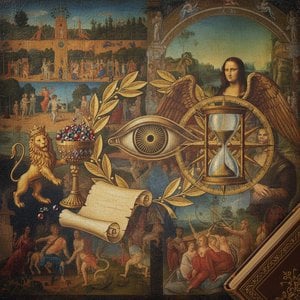
Kaasaegse kultuuri kartograaf: Douglas Coupland'i elu ja kunst
Douglas Coupland astus kultuurimaastandile 1990. aastate alguses mitte pelgalt romaaniväetuna, vaid kui era tunnustaja. Sündinud 30. detsembrilel 1961 Kanadas asuval Kanada sõjaväebaasil Baden-Söllingenis, Saksamaal, oli tema lapsepõlv täis pidevat liikumist, lõppudes lõpuks Vancouveris, Kanadas – linnas, mis kujundas sügavalt tema kunstilist tundlikkust. See varajane kogemus istutas temasse terava vaataja silma, mis on hästi kohandunud kaasaegse elu peente muutuste ja ärevustega. Kuigi alguses õppis ta Emily Carr Kunsti- ja disainikolledžis skulptuuri, leidis Coupland oma tõelise kuju mitte füüsiliste vormide kujundamisest, vaid kaasaegse eksistentsi karkevate tekstuuride väljendamisest sõnadega ning hiljem läbi põnevuse sümbioosi visuaalse kunsti ja digitehnoloogiaga. Ta ei pelgalt peegeldanud kultuuri; ta andis sellele nime, annades hääle põlvkonna kirjutamatute tunnetele, kes ujusid kiirelt kiirenevas maailmas.
Generatsioon X-ist visuaalse kommentaari kuni
Coupland'i läbimurruk saavuti 1991. aastal romaaniga
Generation X: Tales for an Accelerated Culture. See teos ei olnud pelgalt kirjanduslik edu; see oli kultuuriline nähtus, luues termini, mis leidis koheselt minevust miljonite inimestega, kes võelasid identiteedi ja eesmärgiga postindustrialistlikus ühiskonnas. Terminitid nagu „McJob“ sisaldasid end sõnavara, muutudes 20. sajandi lõpu töö ebakindluse ja võõrustuse lühikestuseks. Kuid Coupland'i ambitsioon ulatus kaugele endast lihtsalt põlvkonna nimetamisest. Ta oli huvitatud maailma psühholoogilise maastiku uurimisest, mis on media, tarbimismustrite ja tehnoloogilise muutuse alla jäänud. See uurimine ei lõppenud kirjandusega. Ta liikus sujuvalt visuaalse kunsti poole, ajatuna soovist väljendada oma ideid erinevates meediumides. Tema kunstiline praktika on märkimisväärselt mitmekülgne, hõlmates maalid, skulptuuri, fotograafiat ja disaini – ühendatud ühtse teemaga: kaasaegse elu üle uurimisega. Ta on loonud 13 romaanit, kaks lühiteekirja, seitse non-fiction teost ning arvukalt stsenaariume filmidele ja telelavale, demonstreerides oma tohutut loovust.
QR-koodide keel ja kaotuse raskus
Coupland'i visuaalne kunst on iseloomulik abstraktsiooni, popkultuuri viidete ja tehnoloogilise innovatsiooni unikaalsele segudile. Kõige märkimistavam on tema seeriaid, kus on maalidintega integreeritud QR-koodid. Need ei ole pelgalt dekoratiivsed elemendid; need on portaalid peidetud tähenduste kihtideni, kutsumates vaatajat oma nutitelefonide abil teosega aktiivselt kokku kohtuma. Nende koodide skanneerimine avab lühikesed kommentaarid, lisades visuaalsele kogemusele veel ühe dimensiooni – see on tunnistus Coupland'i fascinatsioonist kunsti ja tehnoloogia ristumiskohaga. Lisaks sellele innovaatilisele tehnikale käsitleb tema töö sageli kaotuse ja surmatusse kuuluvuse sügavuid teemasid. Näiteks
Dead Grads Series on kurb austamine tragöödiaga lõigatud noortele elude eest, kus iga maali peald on pealkomponendid nagu „Gun“, „Car Crash“ ja „Overdose“ – karjuvad meeldetuletused elu habrasusest ja kurbuse püsivast mõjust.
Silver Boogeyman, silmapaistev teos, mis paljastab nutiteleefooni ekraani kaudu Osama bin Ladeni näo, on näide tema võimest tekitada mõtlemist ja väljakutseks panna perseptsioonid, sundides vaatajat seisma silmitsi ebamugavate tõdedega pärast 9/11 sündmust.
Skulpturaalsed kuju ja riiklik identiteet
Coupland'i kunstiline visioon ulatub üle kahesagediliste lainte, sisenedes skulptuuri valdkonda.
The Ice Storm, monumentaalne terasest konstruktsioon, seisab võimsana peeglena Kanadas asuvale identiteedile ja haavatavusele. Skulptuuri vorm evokeerib nii tugevust kui ka habrasust, peegeldades riigi ajalugu ja selle suhet loodusmaailmaga. Tema segameedia kollaažid, nagu
God, demonstreerulevad tema meistriklassi kihtimise tehnikates ja graafilises disainis, sisaldades sümbolistlikke elemente nagu „Lord Jim“ ja geomeetriline tähel „D“, et luua visuaalselt lummavaid kompositsioone, mis kutsuvad mitmekülgsetest tõlgendamistest. Need teosed ei ole lihtsalt esteetilised objektid; need on intellektuaalsed mõndeldised, mis nõuavad vaatajalt aktiivsust. Tema töud on näidetud prestiežees laikus nagu Vancouver Art Gallery ja McMichael Canadian Art Collection, kinnistades tema positsiooni kaasaegse kunsti olulise kujuna.
Uurimise ja innovatsiooni pärand
Douglas Coupland'i panus nii kirjandusse kui ka visuaalse kunsti valdkonda on talle too }}nud laialdast tunnustust, sealhulumbi nimetamine Kanada teenetemärgi rüütliks (Officer of the Order of Canada) ja liitmine Britišuse korda (Order of British Columbia). Ta on jäänud elavaks häneks Kanada kunstis ja kirjanduses, olles tuntud oma sellepärast täpsete observatsioonide, innovaatilise kunstilise väljenduse ja sooviga tegeleda keeruliste sotsiaalsete ning kultuuriliste probleemidega. Tema töö jätkub maailma publikuga resonnaamise, kutsumates arutelu kaasaegse kultuuri, tehnoloogia ja inimliku olukorra üle. Coupland ei ole lihtsalt kunstnik; ta on kultuuriline kartograaf, kes kaartib modernielu alati muutuvat maastikku nii täpsusega kui ka empaatiaga. Ta on jätnud tematu jälje meie arusaatusele endist ja maailmast ümber, tagades oma koha ühe Kanada kõige olulisema kaasaegse kunstnikuna.
- Põhitemaad: Generatsioon X, digikultuur, tehnoloogia, kadunimmed, identiteet, tarbimismustrid, Kanada identiteet.
- Sisemustused: Popkunst, minimalismus, konstruktsionism, Jaapani ärateadus, kaasaegne kirjandus.



 Vaata sisu
 Lülita trükkitoodetele
 Jaga teost
 Jaga
Jaga
 Detailid
 Õppekate juhend

 Laadi alla
 Sarnased teosed
 Röntgenuuring
 Slaidietendus
 Statistika


 Loe lähemalt






































 Klaasivalik on saadaval ainult kuni 110 cm suuruses teostes